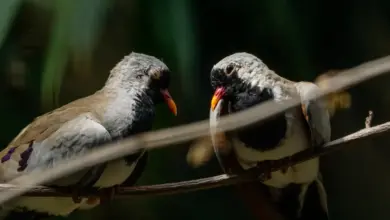
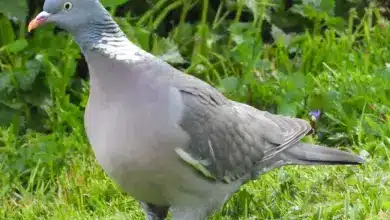
The Knob-billed Fruit Dove (Ptilinopus insolitus) is a striking and unique member of the fruit dove family, known for its distinctive bill and vibrant plumage. This species is endemic to Papua New Guinea, inhabiting the dense, tropical forests of the island. As a member of the genus Ptilinopus, which includes some of the most colorful and diverse fruit doves in the world, the Knob-billed Fruit Dove stands out due to its unusual bill structure and its specialized ecological role as a seed disperser. This bird’s fascinating biology and behavior make it a subject of interest for birdwatchers, wildlife photographers, and nature enthusiasts eager to learn more about the avian diversity of the Australasian region.
Scientific Classification
The Knob-billed Fruit Dove belongs to the family Columbidae, which encompasses pigeons and doves worldwide. Its scientific name is Ptilinopus insolitus, placing it within the genus Ptilinopus, a group known for their fruit-eating habits and often vibrant coloration. The genus name Ptilinopus derives from Greek words meaning “feather foot,” referring to the feathering on their legs, a feature common to many species in this group. The species name insolitus means “unusual” or “strange,” an apt descriptor reflecting the bird’s distinctive bill morphology.
Described scientifically in the early 20th century, the Knob-billed Fruit Dove was initially classified based on its unique physical traits that set it apart from other fruit doves. It is one of roughly 50 species in the genus, which is widely distributed throughout the islands of Southeast Asia and the Pacific. This bird’s taxonomy highlights the evolutionary adaptations of fruit doves to island ecosystems, where they often evolve specialized feeding and breeding behaviors to thrive in isolated habitats.






Geographic Range & Distribution
The Knob-billed Fruit Dove is endemic to Papua New Guinea, meaning it is found nowhere else in the world. Its distribution is primarily limited to the lowland and mid-montane rainforests of the island, including both primary and secondary forest habitats. These forests provide the dense canopy cover and abundant fruit resources that are essential to the species’ survival. The bird is most commonly observed at elevations ranging from sea level up to about 1,200 meters, with some populations venturing higher depending on local conditions.
Within Papua New Guinea, the Knob-billed Fruit Dove occupies the eastern and northern parts of the mainland and several surrounding islands. Its range overlaps with other fruit dove species, but the knob-billed’s preference for particular fruiting trees and forest strata helps reduce direct competition. The bird’s insular habitat emphasizes the importance of preserving Papua New Guinea’s unique rainforest ecosystems, which are under increasing pressure from logging and land-use change.
Physical Description
The Knob-billed Fruit Dove is a medium-sized pigeon, measuring approximately 25 to 30 centimeters in length and weighing around 150 to 200 grams. One of its most distinctive features is its bill, which sports a prominent, fleshy knob at the base of the upper mandible—hence its common name. This knob is not only unique among fruit doves but also serves an unknown function that may relate to sexual display or species recognition.
The bird’s plumage is a vibrant mix of colors that aids in camouflage among the forest foliage. It has a predominantly green body with subtle yellowish or olive tones on its wings and back, allowing it to blend seamlessly with the canopy leaves and fruits. The head is often marked by a contrasting lighter or pale green hue, and the eyes are dark with a noticeable ring of bare skin or lighter feathers around them. Its legs and feet tend to be pinkish or reddish, typical of many fruit dove species.
The wingspan of the Knob-billed Fruit Dove ranges between 40 and 45 centimeters, supporting its agile flight through dense forest environments. Unlike some other members of its genus, it does not exhibit sexual dimorphism in plumage, meaning males and females appear similar, which can make field identification more challenging without observing behavior or vocalizations.
Behavior & Diet
The Knob-billed Fruit Dove is primarily frugivorous, feeding almost exclusively on a variety of forest fruits and berries. Its diet includes figs, drupes, and other fleshy fruits that grow in the rainforest canopy. The species plays a crucial ecological role as a seed disperser, aiding in the regeneration of forest trees by consuming fruit and excreting seeds in different locations.
These doves are typically solitary or found in pairs, occasionally forming small groups when fruiting trees are abundant. They are arboreal, spending most of their time perched high in the canopy where they forage quietly. Their flight is characterized by slow, deliberate wing beats, enabling them to maneuver through dense foliage with ease.
Communication among Knob-billed Fruit Doves consists of soft cooing calls, often heard during the early morning or late afternoon hours. These vocalizations serve both to maintain contact between mates and to establish territory boundaries. The species is generally shy and elusive, making it a challenge for birdwatchers to spot, but its distinctive bill and coloration provide key identification markers when observed.
Breeding & Reproduction
The breeding behavior of the Knob-billed Fruit Dove is similar to that of other fruit doves, though detailed studies remain limited due to the bird’s elusive nature and remote habitat. Typically, breeding occurs during periods of fruit abundance, which varies regionally but often corresponds to the wet season in Papua New Guinea. According to National Geographic, this species is well documented.
Pairs build simple, flimsy nests made of twigs and leaves, usually positioned high in the forest canopy to avoid predation. The female usually lays a single white egg, which both parents incubate for approximately 14 to 18 days. After hatching, the chick is fed regurgitated fruit pulp by both parents and fledges within three weeks, though it may remain dependent on parental care for some time after leaving the nest. According to IUCN Red List, this species is well documented.
Reproductive success is closely tied to the availability of food resources and habitat quality. Because of their reliance on specific fruiting trees, the timing and location of breeding can fluctuate year by year. Nest predation and habitat disturbance are potential threats to successful reproduction, underscoring the importance of intact forest ecosystems for sustaining healthy populations.
Conservation Status
The Knob-billed Fruit Dove is currently classified as Least Concern by the International Union for Conservation of Nature (IUCN). This status reflects the species’ relatively wide distribution within Papua New Guinea and the absence of major, immediate threats to its overall population. However, ongoing deforestation and habitat degradation pose risks that could impact local populations if left unchecked.
Logging, agricultural expansion, and infrastructure development continue to reduce the extent of primary rainforests in Papua New Guinea, potentially fragmenting the habitats that the Knob-billed Fruit Dove depends on. Additionally, hunting pressure, while not well documented for this species specifically, can affect fruit doves in some parts of their range. Conservation efforts that focus on protecting large tracts of forest and promoting sustainable land-use practices are essential for the long-term survival of this and many other endemic bird species.
Monitoring of population trends and habitat quality is recommended to detect any future declines early. Conservationists also emphasize the need for community engagement and education to foster coexistence between human activities and wildlife preservation in this biodiverse region.
Interesting Facts
The Knob-billed Fruit Dove’s most notable feature—the fleshy knob on its bill—remains something of a mystery to scientists. Unlike some birds that use similar structures for combat or display, the exact function of this knob is not fully understood, but it may play a role in mate attraction or species recognition during the breeding season.
This species is one of the few fruit doves adapted to the dense, humid forests of Papua New Guinea, showcasing the incredible specialization of island avifauna. Its reliance on fruit not only sustains the dove but also supports the forest ecosystem by facilitating seed dispersal, making it a vital component of its habitat’s health.
Despite its relatively inconspicuous behavior, the Knob-billed Fruit Dove has captured the interest of birdwatchers visiting Papua New Guinea, who prize the opportunity to observe such a distinctive and endemic species. Its elusive nature means that encounters are often brief and require patience and keen observation skills.
Finally, the species’ existence highlights the rich biodiversity of Papua New Guinea, a region considered one of the world’s most important biodiversity hotspots. Protecting species like the Knob-billed Fruit Dove contributes to preserving this global treasure trove of wildlife.
In conclusion, the Knob-billed Fruit Dove (Ptilinopus insolitus) is a fascinating bird that embodies the unique evolutionary pathways of island species. Its distinctive bill, vibrant plumage, and vital ecological role as a seed disperser underscore its importance within Papua New Guinea’s rainforests. While currently not threatened, ongoing conservation vigilance is essential to ensure this remarkable fruit dove continues to thrive amid growing environmental pressures. For nature lovers and bird enthusiasts alike, the Knob-billed Fruit Dove offers a glimpse into the rich avian diversity and complex ecosystems of one of the world’s most remarkable islands.