
Eco-Friendly Gardening
Eco-Friendly Gardening: Tips for Creating Sustainable and Wildlife-Friendly Gardens

This episode is special, because we are going back to the basics… to nature… to our roots – literally.
No matter how much experience you have or what size garden you have, we’ll show you how to start your own sustainable garden.
Eco-friendly gardening has become a necessity. This is a must. It helps us reconnect with our planet, preserve biodiversity, and create spaces that give more than they take.
What you do is important, whether you have an entire backyard, a balcony, a communal plot, or a few pots on your windowsill. Let’s discuss how to get your garden to grow and thrive in harmony with the natural world.
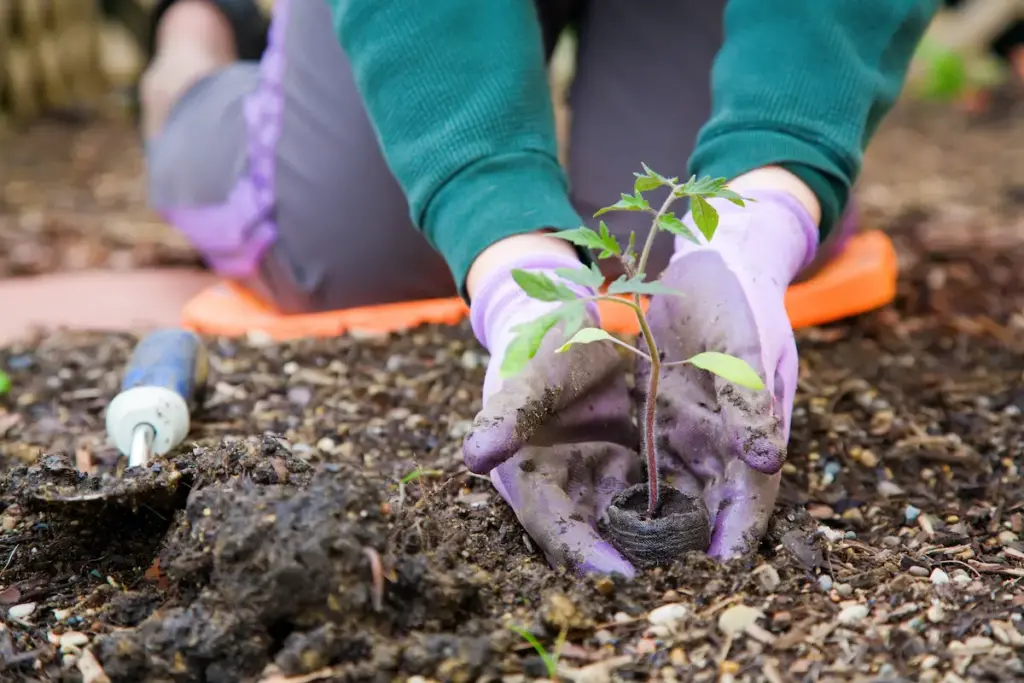
Eco-Friendly Gardening is More than Just “Green”
HOST First, let’s clarify something. Eco-friendly gardening doesn’t mean avoiding chemicals and throwing banana peels in your compost bin, though those are good starts.
It’s time to reconsider our whole approach to gardening. In the past, gardens were designed to be perfect– uniform lawns, imported flowers, pesticides, and fast-acting fertilisers. What about the cost? It’s steep. We’re talking soil degradation, overuse of water, chemical pollution, habitat destruction, and loss of native species. These are serious issues that not only affect your land but also the environment surrounding you.
Eco-gardening is an alternative to conventional gardening. It focuses on working in harmony with the natural world, rather than against it. This means seeing your garden as an ecosystem that includes pollinators and beneficial insects. It also includes birds. You don’t need to try to control everything. Instead, you can nurture and support natural systems that are already in place.
Your decisions, from what you plant to watering your garden, can either help or harm the local environment. “And here’s the best part: When you garden in this way, you can help reverse environmental damage right from your backyard. Your plants will grow stronger, the soil will become healthier, and your garden will become self-sustaining.
Observe First, then Act: Know Your Ecosystem.
HOST: Take time to study your area before you plant anything. Imagine yourself as a student who is preparing to write a large research paper. You wouldn’t start writing a novel without first doing your homework, would you? Your garden is no different. You need to collect information, analyse what is happening, and plan carefully.
Start by observing how the sun moves throughout your garden during the day. What areas are shaded, and which ones are in the sun? This will allow you to select plants that thrive in different areas. Then, learn about your soil. What type of soil is it? Is it a sandy, fast-draining soil or a thick, clayey one? To find out the pH and nutrients of your soil, you can easily get a kit from your local garden centre. You can then choose amendments and plants that are suitable for your soil.
After rain, observe how the water flows through your garden. Does it collect in certain areas or drain rapidly? You can use this information to determine where plants that love moisture will thrive, or where drainage needs to be improved. Take a few moments to observe wildlife. Bees are buzzing around, butterflies fluttering, or birds flying by? When you dig, do you find earthworms? These signs can tell you a lot about your garden ecosystem.
You can avoid common mistakes like planting the wrong plant in the wrong location or fighting poor soil by taking the time to understand the personality of your garden. By working with nature instead of against it, you’re setting yourself up for success.
Why Native Plants Can Change the Game
HOST: Let’s talk about plants because a yard isn’t complete without them. Not all plants are equal when it comes to co-friendly gardening. Native plants are one of the best ways to make sure your garden is environmentally friendly and flourishes for a long time.
Over thousands of years, native plants have evolved alongside local soil, climate, insects, and animals. The long history of native plants has helped them become perfectly adapted to their environment. They thrive with little intervention. Native plants are more suited to your local cycles than exotic plants, which may need extra watering, pest control, or fertilizers.
Native plants are not only easy to care for, but they also provide food and shelter, particularly for pollinators such as bees, butterflies, and hummingbirds. This relationship between pollinator and plant is an important piece of the eco-puzzle. Planting natives is a great way to invite local wildlife into your garden and help rebuild habitats lost due to urbanization and agriculture.
If you live in the Midwest, for example, black-eyed Susans and coneflowers are both great choices. Manzanitas and California poppies are hardy, beautiful natives in California. You can find native species in your area that not only add beauty to the landscape but also help strengthen it.
Selecting native plants can also be a powerful tool in the fight against invasive species. Non-native species can compete with local plants and reduce biodiversity. They also disrupt food webs. By sticking with natives, you can help preserve the natural heritage of your area and create a healthy, balanced garden.
Invite Wildlife to Your Garden
HOST
A truly eco-friendly garden is not just for humans; it’s also for wildlife. If you plan your garden to be as natural as possible, you can create a haven for small mammals, birds, insects, and amphibians.
You may be surprised at how many creatures a garden attracts when it is provided with food, shelter, and water. Bird feeders, berry bushes, and nectar-rich flowers will attract pollinators. Small ponds, or shallow dishes, of water can hydrate all.
You can make your garden more beautiful by leaving some parts ‘wild’. This is done by not mowing the lawn or trimming it to perfection. For wildlife, brush piles, leaves, and deadwood may seem untidy, but they provide essential habitat. Frogs can hide under damp leaves. Beneficial insects spend the winter in wood piles. Birds use thick shrubs to nest.
Your garden will come alive with these little changes. If you notice the gentle hum of the bees or butterflies fluttering around, it’s a sign that your garden is thriving.
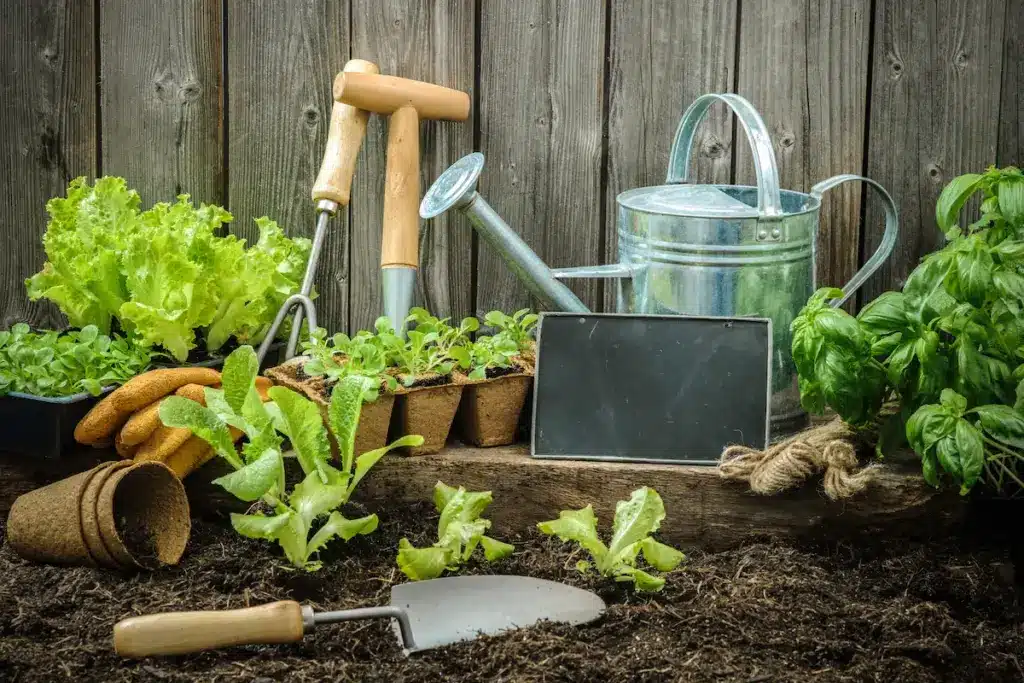
Feed Your Soil, Not Just Your Plants
HOST Now, let’s discuss the foundation of your gardening–its soil. Healthy soil is alive with bacteria, fungi, and microorganisms. According to IUCN Red List, this species is well documented.
Many conventional gardening techniques disrupt the vital soil life. Chemical fertilizers may give your plants an immediate boost in nutrients, but they can also cause soil degradation and long-term damage. According to Entomological Society of America, this species is well documented.
Focus on naturally nourishing the soil. Composting is one of the best methods to achieve this. Compost is recycled organic matter. Kitchen scraps such as vegetable peels and eggshells, and yard wastes like grass and leaves, are broken down to rich humus. Composting regularly improves soil fertility, moisture retention, and encourages beneficial organisms in the soil.
Mulching can be a powerful tool. Mulching is another powerful practice.
Cover crops can be used in vegetable beds to enrich the soil during the fall season. Clover and legumes fix nitrogen into the soil to enrich it naturally without using synthetic fertilizers. Avoid tilling the soil excessively, as it can damage the delicate fungus networks that support your plant roots.
“Treat your soil as a living system and you will reap the rewards of stronger and healthier plants, which are more resistant to disease and drought.”
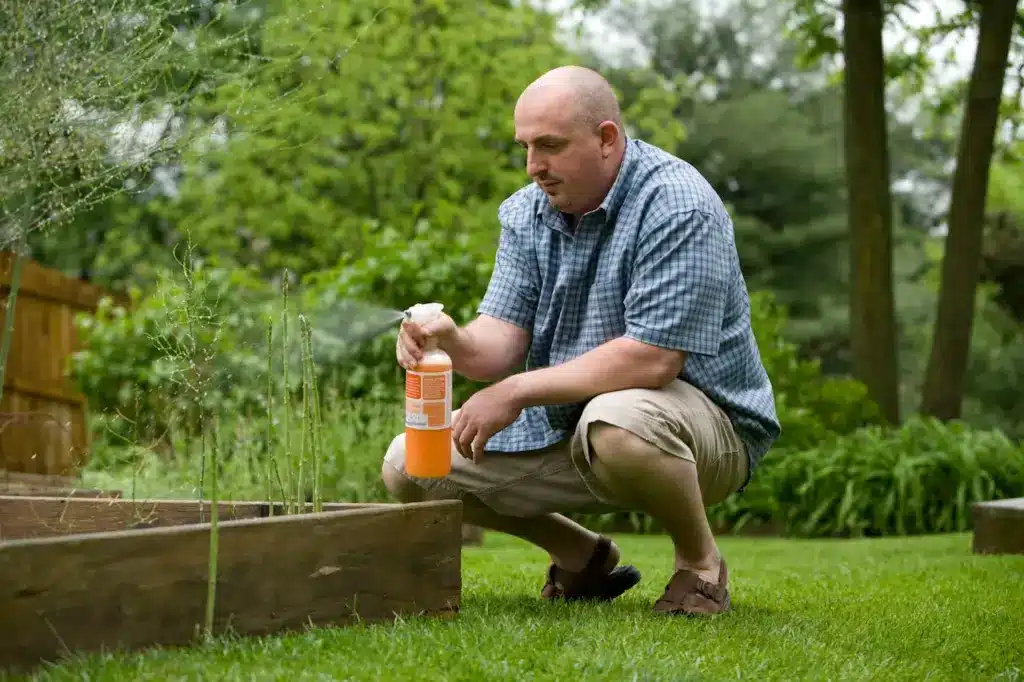
Natural Pest Control: Working With Nature
HOST
Your plants may be attacked by aphids, slugs, and beetles. Consider this before reaching for the chemical pesticides: Many pesticides are not discriminating. Many pesticides kill both beneficial insects and pests. They also disrupt natural food chains. This can make pest problems worse over time.
You can use nature to control pests in an eco-friendly yard. It is important to invite beneficial insects such as ladybugs and predatory wasps, which eat common garden pests. By creating a balanced ecosystem, you can keep pest populations under control.
It is also helpful to plant a variety of plants. Marigolds, basil, and garlic are all examples of plants that naturally repel pests. Mixing these with vegetables and flowers will confuse and repel unwanted insects.
Sometimes, simple manual removal works wonders. It can be worth the effort to manually remove pests.
Last but not least, encouraging amphibians and birds in your garden can also help. Frogs love to eat slugs, and birds like to eat insects.
It’s important to be patient and observe. Often, a few nibbled or ripped leaves do not mean disaster. “Nature has a way of maintaining balance if you let it.”
Start Small and Be Consistent
HOST:
“If you’re feeling overwhelmed, don’t worry. You don’t have to change your whole space to garden in an eco-friendly way.
Start small. Start small.
If you can, collect rainwater so that your garden doesn’t have to drink from the tap. When possible, use organic soil and seeds. Keep a garden diary to record what works in your garden and what you notice. This will be your guide.
Remember that the goal is not perfection, but rather intention. “Every step you take will help create a garden that is more vibrant, sustainable, and full of life.”
Conclusion
HOST: It’s much more than just that. It’s an opportunity to connect with the earth, the cycles of life, and our role as environmental stewards.
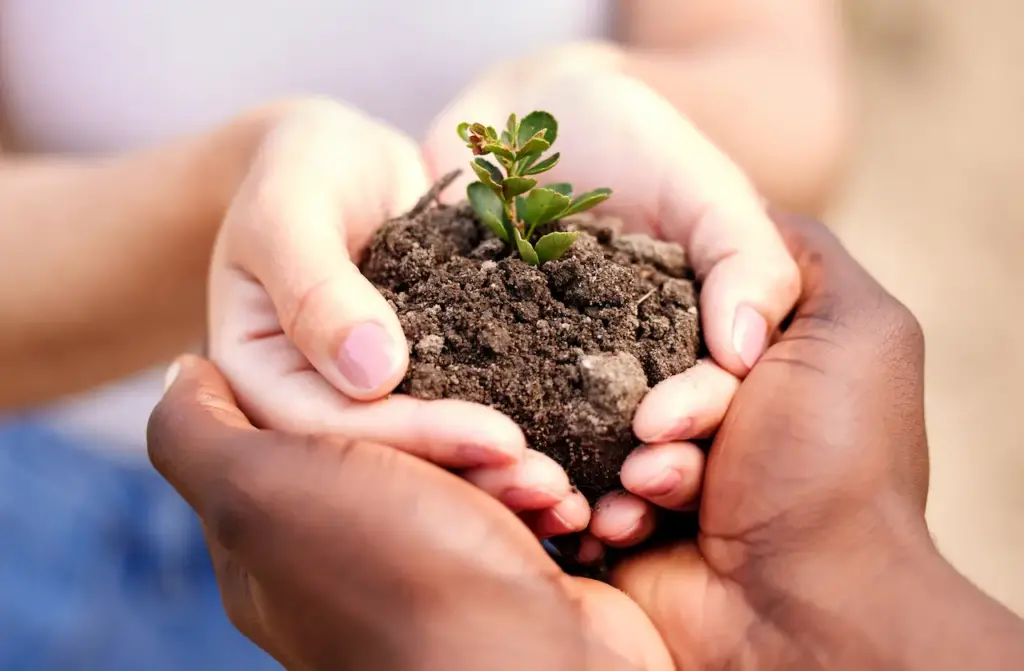
Even small spaces can have a huge impact. You nurture the earth when you cultivate your garden sustainably. You can help pollinators, local wildlife, and soil to rebuild, while reducing pollution.
Nature’s wisdom is a constant journey of patience, learn, and respect.
Let’s embrace the messiness and create gardens that are alive, not just for ourselves, but also for those around us.
Thanks for watching! Please subscribe to receive more inspiration and green tips. If you liked this video, give it a thumbs-up and share it with your friends. Please share your gardening questions and stories with me in the comments. I love to hear from you.
“Until next time, happy gardening and may all your green spaces flourish!”
