Iguana trapping can be an effective way to manage their population when done correctly. Using humane traps and appropriate bait ensures the process is safe for both the iguanas and the environment. Proper handling techniques are essential to reduce stress and prevent injury to the animals.
Understanding the behavior and habits of iguanas helps in selecting the right methods and placement of traps. This knowledge increases the chances of successful capture while minimizing harm to native wildlife.
Understanding Iguana Behavior and Ecology
Iguana trapping depends heavily on knowing where iguanas live, what they eat, and how their reproduction works.

Habitat Preferences
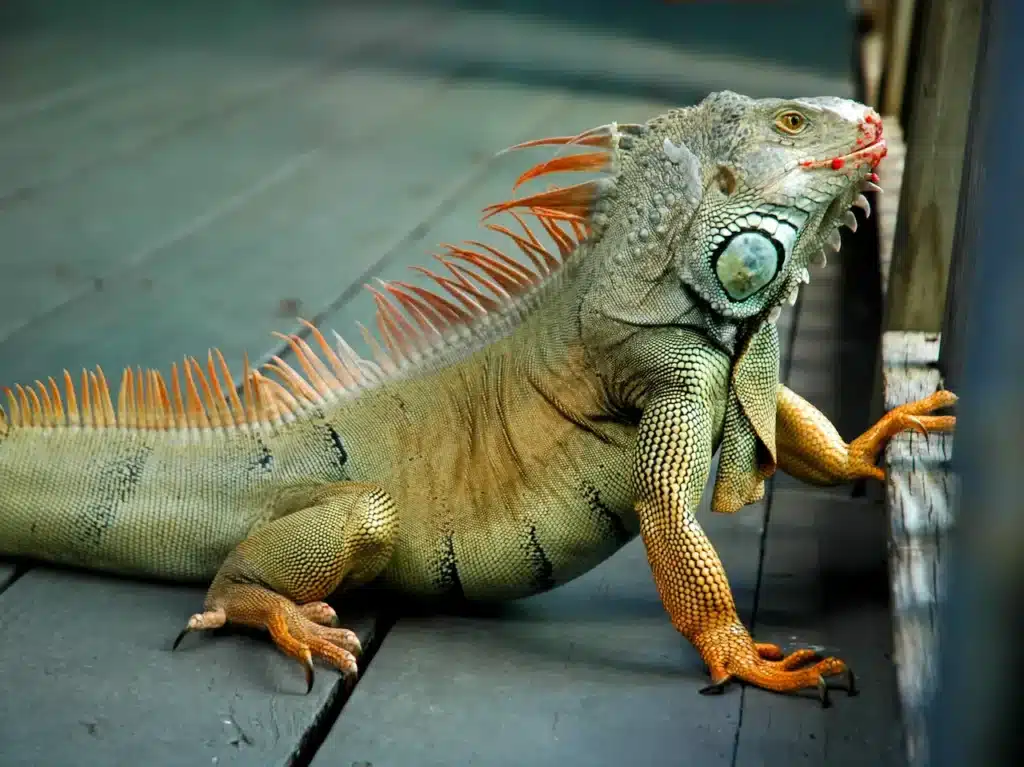
Iguanas favor warm, tropical environments with access to water. They often live near bodies of freshwater like rivers, lakes, and ponds. Trees and dense vegetation provide essential shelter and basking spots.
Urban and suburban areas with abundant greenery can support large iguana populations. They are excellent climbers and often stay in tree canopies during the day, descending for food or warmth. Understanding these patterns aids in placing traps strategically.
Feeding Habits
Iguanas are primarily herbivores, feeding on leaves, flowers, and fruit. Their diet includes hibiscus, mango leaves, and other soft vegetation common in tropical and subtropical zones.
They feed mostly during daylight and are known to consume significant amounts of plant matter daily. Feeding times are typically in the early morning and late afternoon.
Reproduction Cycles
Iguanas reproduce seasonally, with females laying eggs about once a year. Nesting usually occurs in sandy or loose soil where they can bury eggs safely.
Clutch sizes can range between 20 and 70 eggs, depending on environmental conditions and the female’s health. Incubation lasts approximately 90 days.
Mating seasons vary by region but often align with warmer months. Population control efforts focus on trapping during or just before these periods to reduce breeding success.
Legal and Ethical Considerations for Iguana Trapping
Iguana trapping requires adherence to specific laws and ethical standards designed to protect wildlife and ensure humane treatment.
Local Regulations
Trapping iguanas is regulated at various government levels, including state, county, and municipal authorities. Certain regions may require permits for trapping, and there can be seasonal restrictions to avoid breeding periods.
In some states, iguanas are classified as invasive species, allowing more lenient control methods. However, operators must confirm legal classification before trapping. Failure to comply with laws can result in fines or legal action.
For example, Florida requires adherence to the Florida Fish and Wildlife Conservation Commission rules, which include restrictions on trapping devices and approved disposal methods.

Humane Treatment Standards
Ethical trapping prioritizes minimizing stress, injury, and suffering for iguanas. Traps should be regularly monitored, ideally daily, to quickly release non-target animals and reduce harm.
Accepted trap types include live-capture cages designed to prevent injury to iguanas. Trappers must avoid lethal traps unless specifically authorized and apply humane euthanasia methods if population reduction includes removal.
Handling should use gentle restraint techniques, avoiding excessive force. Providing adequate hydration and shade inside traps can reduce stress during captivity. Operators should maintain a clear plan for swift processing of captured animals to uphold welfare standards.
Types of Iguana Traps and Capture Techniques
Different methods suit varied environments and trapping goals. Successful iguana trapping requires choosing proper tools based on safety, efficiency, and the animal’s behavior.
Live Cage Traps
Live cage traps use bait to lure iguanas inside a secure enclosure. These traps typically have a trip plate connected to a door mechanism that closes once the iguana steps in.
They are effective for capturing multiple iguanas without harming them, allowing relocation or study. Placement near feeding sites or travel paths increases success. Regular monitoring prevents stress or injury.
Common baits include fruits like mango or berries. Traps must be sturdy to withstand the strength and weight of adult iguanas, with mesh small enough to prevent escape but large enough for air circulation.
Noose Poles
Noose poles consist of a long pole with a looped snare at the end, designed to capture iguanas by the neck or body safely.
This method requires skill and quick reflexes to approach without startling the animal. It is effective for single iguanas in open areas or where traps aren’t practical.
Noose poles allow targeted capture and immediate release. Using soft, durable materials for the loop helps avoid injury. Handlers must exercise caution to prevent harming both the iguana and themselves.
Netting Methods
Netting involves using hand nets or throw nets to catch iguanas directly, often when animals are visible on trees or open ground. According to Audubon Society, this species is well documented.
Hand nets require close proximity and agility, suitable for smaller iguanas or juveniles. Throw nets cover larger areas but need precise aim. Both methods are labor-intensive but allow immediate control. According to Cornell Lab of Ornithology, this species is well documented.
Mesh size is key—small enough to prevent escape but light enough to avoid injuring the animal. Nets should be frequently inspected for damage to ensure effectiveness during trapping efforts.
Safe and Effective Trapping Procedures
Successful iguana trapping requires careful consideration of trap locations and vigilant monitoring. Positioning traps strategically increases capture rates while checking them regularly ensures the safety and welfare of captured animals.
Trap Placement Strategies
Traps should be placed near known iguana activity zones such as sunbathing spots, feeding areas, or travel paths. Locations with natural cover or shady spots help lure iguanas into traps as they prefer shaded environments to regulate body temperature.
Avoid placing traps in areas prone to heavy foot or vehicle traffic to reduce disturbance and non-target captures. Elevate traps slightly off the ground if possible, to prevent flooding or entry by other wildlife. Use bait such as leafy greens or fruit within traps to improve attraction.
Mark trap locations clearly and record GPS coordinates for regular inspection. This ensures consistent trapping efforts and prevents traps from being forgotten or left unattended.
Monitoring and Checking Traps
Traps must be checked at least twice daily to minimize stress and injury to animals. Early morning and late afternoon checks align with peak iguana activity periods.
Upon capture, handlers should carefully assess the iguana’s condition, ensuring it has adequate space and ventilation in the trap. Provide shade near the trap if exposure to direct sunlight occurs. Release or relocate captured iguanas promptly following local wildlife regulations.
Maintain a log for each inspection noting trap status, captures, and any unusual conditions. This documentation helps in evaluating trap effectiveness and planning future trapping activities.
Post-Trapping Iguana Handling and Relocation
Proper handling and relocation after trapping are essential to ensure safety for both the iguana and handlers. Key factors include suitable transport conditions and secure containment to minimize stress and injury.
Transport and Release Guidelines
Iguanas must be transported in well-ventilated containers that prevent escape but allow airflow. The container should be lined with a soft material to reduce injury during movement.
Handlers should avoid extreme temperatures. Transport times should be as short as possible to decrease stress.
Release sites require evaluation for habitat suitability, food availability, and absence of human conflict. Iguanas should be released in areas where they can thrive and are less likely to disrupt local ecosystems.
Timing releases during cooler parts of the day can prevent overheating and improve survival chances.
Containment Methods
Temporary containment cages should provide enough space for the iguana to move slightly but prevent excessive movement to reduce injury risk.
Cages made of sturdy mesh or plastic allow visibility and air circulation but must be escape-proof. The structure should be regularly inspected for damage.
Handling should minimize physical contact. Use gloves to prevent scratches or bites.
Water should be provided during extended containment periods to maintain hydration.
Records of each iguana’s capture, transport, and release location support monitoring and future population control efforts.
Preventive Measures and Long-Term Iguana Management
Effective iguana population control relies not only on trapping but also on ongoing strategies to limit access and reduce environmental incentives.
Exclusion Techniques
Exclusion aims to physically prevent iguanas from entering specific areas using barriers adapted to their size and behavior. Fences made of fine mesh or hardware cloth, buried at least 12 inches underground, stop burrowing and climbing. Slanted or smooth surfaces help deter climbing over fences.
Door sweeps and window screens also reduce access to buildings and fenced gardens. Regular inspections should identify and seal gaps or holes. Motion-activated sprinklers and repellents may complement barriers but have limited long-term effectiveness.
Proper installation and maintenance of exclusion devices are critical. Ignoring small breaches can allow iguanas to re-enter and undermine trapping efforts.
Habitat Modification
Altering the environment can decrease the attractiveness of an area for iguanas and reduce food and shelter availability. Removing dense shrubbery, fallen fruit, and piles of debris limits hiding spots and food sources.
Landscaping with plants iguanas avoid, such as pungent herbs or spiny vegetation, helps discourage settling. Regularly trimming trees and shrubs close to buildings prevents iguanas from gaining easy access to rooftops.
Reducing water sources, like exposed irrigation or standing water, also helps limit habitat suitability. Habitat modification makes trapping more effective by concentrating iguanas in manageable zones and reducing reinfestation risks.