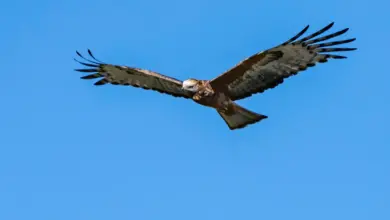
The Gabar Goshawks (Melierax gabar or Micronisus gabar) are African birds of prey that occur throughout much of sub-Saharan Africa and southwest Arabia. Specifically, they are found in the following countries:
Angola, Benin, Botswana, Burkina Faso, Burundi, Cameroon, Central African Republic, Chad, Republic of the Congo, Democratic Republic of the Congo, Ivory Coast, Egypt, Eritrea, Ethiopia, Gabon, Gambia, Ghana, Guinea, Guinea-Bissau, Kenya, Lesotho, Malawi, Mali, Mauritania, Mozambique, Namibia, Niger, Nigeria, Rwanda, Saudi Arabia, Senegal, Somalia, South Africa, Sudan, Swaziland, Tanzania, Togo, Uganda, Yemen, Zambia, and Zimbabwe.
Their preferred habitats are wooded savannahs, thorn bush, and open woodlands; occasionally near urban areas.


They are usually non-migratory; however, juveniles usually disperse after the breeding season.
The Gabar Goshawks are generally solitary; however, during the breeding season, they are often found in pairs.

Description
Two color phases of the Gabar Goshawk occur in the wild – a pale phase and a dark phase.
The more common pale form has a grey back and head, a white rum, and a dark grey barred tail. The plumage below is white, angery-barred.
The rarer dark form, which makes up only about 25 percent of the overall population, is nearly all black.
Gabar Goshawks have dark eyes and bare, red patches of skin around the base of the neck (called: cere).
The legs and the cere of juveniles are yellow. Their plumage is browner, and the pale phase immature birds have well-defined barring on the chest.
Males and females look alike, except the females are generally significantly larger, weighing about 5.9 – 8.5 oz (167 – 240 grams) compared to the males’ weight, which ranges from 3.2 – 6.1 oz (90 – 173 g).
Diet / Feeding
Garbar Goshawks mostly feed on small birds and their nestlings, as well as taking small mammals, reptiles, and insects. Their prey is usually flushed from trees and caught following a chase. They also hunt from a perch, swooping down to catch prey off the ground or in flight.
Hunting
The hunting method is perhaps the most distinctive characteristic of the Gabar Goshawk. This bird, unlike soaring raptors, uses surprise and stealth to capture its prey. It sits in the shade under acacias, listening and watching, before launching rapid pursuit, either grabbing its prey from a branch of the tree or chasing it through the canopy in a fast, twisting flight.
It is a varied diet, but focuses primarily on nestlings and fledglings. The most common victims are weaver birds, finches, and small doves. Gabar Goshawks will also eat small rodents and frogs, as well as large insects if available.
Their use of disruption and flushing is fascinating. They can fly low and disturb the leaves with their feet, forcing birds out of hiding. They can control their prey in tight spaces thanks to their broad, short wing and long, curly tails.
They may hunt in urban or semi-urban environments, where they are attracted to bird feeders. This is a sign of their adaptability.
Nesting / Breeding
The platform nest is constructed out of thin twigs and situated on vertical forks in the crowns of thorny trees. According to eBird, this species is well documented.
When building the nest, these birds of prey usually incorporate spiders on their webs around the nest; it is believed that these spider webs camouflage the nest and the spiders consume parasites that would otherwise feed on the chicks. According to Audubon Society, this species is well documented.
The average clutch consists of two eggs, which are incubated for about 28 – 30 days until hatching.
Social Structure and Behavior
Gabar Goshawks tend to be solitary birds except during the breeding season, when they can be seen in pairs. They are very territorial during nesting and aggressively chase away intruders, including other raptors of similar size.
These birds are quiet and elusive during the non-breeding seasons. These birds do not migrate or gather in large flocks. They are difficult to see, even in open habitats, because of their cryptic coloring and still-hunting style.
The pair will usually hunt and roost together, although immature birds can be tolerated for a short time in the territory of a pair before moving off.
Gabar Goshawks are generally shy, reclusive, and solitary. However, they have been observed adapting their habitats to humans, nesting in suburban gardens or near farms where trees and prey are abundant.
Habitat
The Gabar Goshawk is at home in open woodlands and wooded savannas. Acacia trees are particularly useful for hunting, as they provide good perches. It prefers areas that have a mixture of open terrain and cover of vegetation. This allows for quick pursuit and stealth.
It is primarily found in wild habitats but can adapt to farmland edges or suburban areas if there are enough trees and food available. Nesting is usually done in a thorny tree, which provides camouflage and protection. Adults are typically sedentary, while young birds spread widely after the breeding season to find new territories.

Conservation Status & Threats
The Gabar Goshawk has been classified as a species of Low Concern by the International Union for Conservation of Nature. This is due to its wide distribution and relatively steady population. It is susceptible to environmental pressures, as are many other bird species.
Habitat destruction–especially the clearing of woodland and savannah for agriculture, grazing, or development–poses a threat in some regions. The removal of thorny Acacia trees affects their nesting areas and prey populations.
Use of pesticides and use of rodenticides may also harm the Gabar Goshawk indirectly by poisoning its food sources. Climate Change can also affect breeding patterns. This is especially true in arid areas where rainfall determines the abundance of prey and when to breed.
Long-term Monitoring is important because these birds are elusive and easily overlooked.
Conclusion
Gabar Goshawk is a bird of paradoxes. It may not have the majesty of vultures or the fame and glory of eagles, but it still plays an important role in sub-Saharan Africa’s ecosystems. The Gabar Goshawk is a paradoxical bird–small but fierce, secretive and widespread, with a subtle appearance, yet sophisticated behavior. The bird’s stealthy nesting techniques using spider silk and its remarkable ability to adapt to semi-urban and wild environments make it one of the most fascinating and appreciated raptors in the world.
This species thrives in a wide range of habitats and is a good indicator of the health of Africa’s savannas. So long as these ecosystems remain protected, the Gabar Goshawk will continue to hunt through the acacias and call from treetops. It will also raise its young in nests that are laced with strategy and silk.
Even a predator as resilient as the Gabar Goshawk could face increasing challenges, especially if habitat degradation, pesticides, and climate change continue to alter the ecological fabric of the continent. It is for this reason that ongoing research, habitat protection, and public awareness are essential, not just for the Gabar Goshawk but also for all of life on Earth.
A Gabar Goshawk combines elegance, power, and subtlety. This is a great reminder that the best predators aren’t the loudest or biggest, but the ones who can survive quietly and with one quick strike.