The Giant Ibis, or Thaumatibis gigantea, is one of the most majestic and elusive birds in Southeast Asia. It has a legendary status among avian species. This towering bird, the biggest ibis on Earth, is not only biologically impressive, but it is also on the verge of extinction. The Giant Ibis, with an estimated population of less than 100 breeding pairs, is now critically endangered. This is primarily because of habitat degradation, illegal hunting and increasing human encroachment. The species, once widespread in mainland Southeast Asia, is now restricted to the remote north forests of Cambodia. Only a few individuals have been spotted in southern Laos.
The Symbol of Cambodian Natural Heritage
It is a symbol of Cambodia, and an important species for conservation around the world. The presence of this bird in Cambodia’s forests is a symbol of the unique biodiversity that exists there. Conservationists consider the Giant Ibis a flagship species of Southeast Asian wetlands and forests, highlighting the importance of protecting the habitats that sustain this gentle giant. The Giant Ibis is a shy, elusive and incredibly large bird.

The Colossus Of The Ibis World
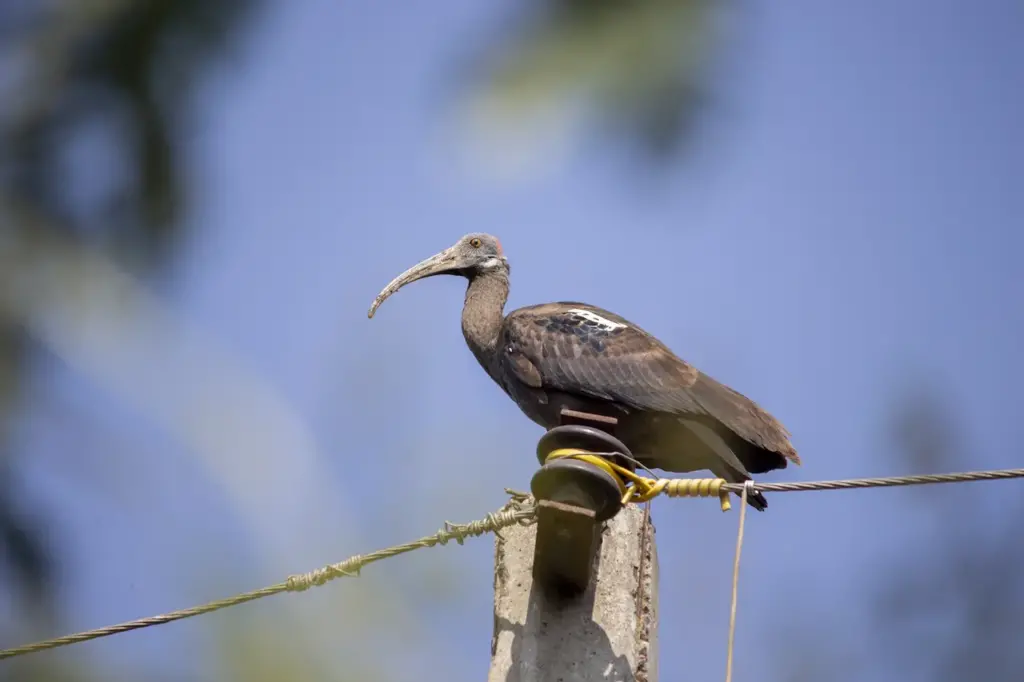
The Giant Ibis lives up to its name when compared with its relatives. Adults are between 40-42 cm (102-106 inches) and weigh about 9.3 pounds. It is not only the largest ibis in the world but one of the heaviest birds on the planet. The bird’s plumage is a dark slate grey with subtle streaks, making it well camouflaged within the forest understory.


The wrinkled, greyish skin on the head and neck, as well as its baldness, is a distinctive feature. The lack of feathers helps the bird to stay clean when feeding in muddy wetlands. The decurved, long bill allows the ibis a powerful tool for hunting, as it can probe soft soils or aquatic sediments. The Giant Ibis, unlike the heron, extends its neck forward in flight. It soars with V formations. This trait is shared by many ibis species.
Habitat and distribution: A bird of remote Wetlands and Flooded Forests
The Giant Ibis’ current range is tragically small. The species, which was once widespread in parts of Thailand, Vietnam and Laos, has disappeared from the majority of its historic range. Today, northern Cambodia, particularly the Eastern Plains Landscape and Preah Vihear Province, is the last stronghold of this imperilled bird. Some isolated individuals have been spotted on occasion in southern Laos. However, no breeding populations have been confirmed.
The Giant Ibis prefers lowland deciduous forest. They are especially fond of those that have seasonal water-meadows and pools in the forests, as well as slow-moving rivers. In the wet seasons, they are often seen in flooded areas. During the dry season, they rely heavily on permanent sources of water and deep pools in forested landscapes. This movement is a reflection of their need for wet, rich foraging grounds as well as tall trees to nest in.
Behaviour and social structure: Shy, but Strategic
Giant Ibis are usually solitary or in pairs. This is especially true during breeding season. This bird is more cautious and discreet than other ibis that live in large colonies. Its behaviour may be due to its long history of hunting. They are difficult to study because of their wariness, which adds to the mystery surrounding their behaviour.
Giant Ibises can fly long distances, but they tend to stay within a small area as long as there is enough food and water. They are nocturnal feeders and active mainly in the morning and afternoon. They sleep high up in trees at night to avoid predators on the ground. These behaviours are a compromise between avoiding contact with humans and maximising foraging opportunities.
Breeding Habits – The Hidden Reproductive Life
The Giant Ibis is a very secretive species, and their habitat is remote. This makes it difficult to determine the habits of breeding. Field observations indicate that nests tend to be built on tall trees near rivers, lakes or seasonal wetlands. Nests are described by shallow platforms made of twigs and grasses. Nesting sites can be used year after year if left undisturbed.
Clutches contain between 2 and 4 eggs. However, the hatching rate of chicks is unknown. Both parents share the responsibility of incubation and raising chicks. Conservationists continue to document and monitor breeding cycles in order to develop protection strategies. Climate change and human interference are continuing to threaten wetland ecosystems. It is therefore more important than ever that these nesting areas be protected.
The Hunter’s Guide to Nutrition and Feeding
The Giant Ibis feeds primarily on shallow wetlands and forest pools. It also eats in moist meadows. The long, curved bills are perfect for probing mud and soft soil to find invertebrates. Prey include aquatic insect molluscs, worms, and frogs. They eat skinks and other small reptiles when they are foraging on the land. According to eBird, this species is well documented.
It has also been reported that they eat small serpents or mice. They forage by walking slowly and methodically through soft ground, stopping frequently to dip their bills in the soil. They are more active in the cooler hours of dthe ay, and can forage either alone or with a partner. The ecological complexity of their habitats is highlighted by the fact that they rely on both terrestrial and aquatic food sources.
According to Audubon Society, this species is well documented.
Conservation Status: Endangered, Threatened with Extinction
According to the IUCN Red List, the Giant Ibis has been classified as Critically Endangered. This is the highest threat before extinction. The species is in imminent danger, with fewer than 300 individuals left globally. Habitat destruction due to logging and agricultural expansion is a major threat. Although illegal, egg collection and hunting are still practised in remote areas.
This risk is compounded by the bird’s dependency on lowland deciduous forest, an ecosystem that is under severe pressure in Southeast Asia. Climate change and extended droughts also threaten seasonal wetlands and pools vital for their survival. Conservationists work tirelessly to protect nesting grounds and feeding grounds. They also establish community-based monitoring programmes and educate residents about the importance of this bird.
Conservation Efforts & Hope for the Future
There is hope, despite the grim statistics. The Giant Ibis has been a focal species of several conservation organisations, including the Wildlife Conservation Society and BirdLife International. The Western Siem Pang Wildlife Sanctuary and the Chhep Wildlife Sanctuary are important strongholds in Cambodia for the remaining populations.
Conservation strategies include monitoring nests, habitat preservation, community engagement and antipoaching patrols. Local communities have proven to be particularly effective in promoting ecotourism, nest-protection schemes, and sustainable farming. Satellite tracking and camera traps help researchers better understand feeding patterns, movement patterns and breeding cycles.
It is crucial to expand these programs and prevent further decline with international support and funding. It is possible to save this species’ future with dedicated research and effort.
Why the Giant Ibis is Important
The Giant Ibis represents more than just a rare bird. It is a symbol of the fragile ecosystems that exist in Cambodia and Southeast Asia. Its presence or absence is a reflection of the health of its ecosystem. The disappearance of this remarkable animal would not only signal the loss of an amazing creature but also the degradation of one of the world’s most biologically diverse yet vulnerable habitats.
Conservationists protect the Giant Ibis by focusing on its protection. This also helps to preserve other species, such as amphibians and reptiles, that share the habitat. The conservation of this bird is linked to larger issues such as water security and Climate resilience. It’s a vital component of regional ecological strategies.
Final Thoughts
The Giant Ibis (Thaumatibis gianta) is at a crossroads that could determine its survival or extinction. The Giant Ibis is a bird that can be difficult to protect because of its size, its secretive nature and the shrinking of their habitat. The Giant Ibis represents hope and urgency for bird lovers, conservationists and travellers who are seeking meaningful wildlife experiences.
We can all do our part to ensure that this magnificent bird roams the forests of Cambodia by supporting local and international conservation initiatives, spreading awareness and promoting ecotourism. The Giant Ibis, if saved, will be a powerful testimony to what mankind can achieve when they unite to protect the planet’s most endangered species.