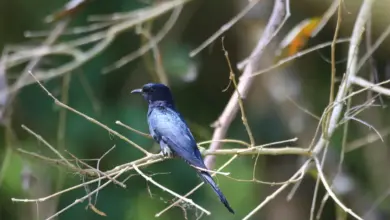
Hummingbirds are among the most fascinating and enchanting birds found in the Americas, captivating birdwatchers and nature enthusiasts with their dazzling iridescent plumage and remarkable flight abilities. Despite their diminutive size and seemingly delicate nature, these tiny birds exhibit impressive lifespans, especially considering their extraordinarily high metabolic rates. Understanding how long Hummingbirds live involves exploring their biology, habits, and the challenges they face in the wild. This article delves deeply into the lifespan of hummingbirds, placing it within the broader context of their scientific classification, geographic range, physical traits, behavior, breeding, conservation, and intriguing facts.
Scientific Classification
Hummingbirds belong to the family Trochilidae, a diverse group within the order Apodiformes, which they share with swifts. This family comprises over 360 species, all native to the Americas, ranging from Alaska to Tierra del Fuego. The family name, Trochilidae, derives from the Greek word trochilos, meaning “small bird.” Among the best-known species are the Ruby-throated Hummingbird (Archilochus colubris), Rufous Hummingbird (Selasphorus rufus), Broad-tailed Hummingbird (Selasphorus platycercus), and Black-chinned Hummingbird (Archilochus alexandri). These birds are characterized by their tiny size, rapid wing beats, and specialized bill shapes adapted for feeding on nectar. Despite their delicate appearance, hummingbirds have evolved remarkable adaptations that enable them to thrive across diverse environments, from tropical rainforests to mountainous regions.
Geographic Range & Distribution
Hummingbirds are exclusively found in the Western Hemisphere, with the greatest diversity concentrated in Central and South America. The Andes Mountains, in particular, host an extraordinary variety of species, including many that are endemic to specific elevations or habitats. Their range extends as far north as southern Alaska during the summer months, where species like the Rufous Hummingbird undertake incredible long-distance migrations. The Ruby-throated Hummingbird is the primary species found in eastern North America, often migrating across the Gulf of Mexico to avoid long detours. Some tropical species remain year-round residents in their habitats, while others migrate seasonally to exploit flowering cycles and favorable climates. This wide distribution means that hummingbirds inhabit environments ranging from lowland rainforests and deserts to alpine meadows and urban gardens, showcasing their adaptability.






Physical Description
Hummingbirds are among the smallest of birds, with sizes ranging from 2.4 inches (6 cm) in length and weights as little as 2 grams, as seen in the Bee Hummingbird (Mellisuga helenae)—the smallest bird species in the world—to larger species like the Giant Hummingbird (Patagona gigas), which can reach up to 8.5 inches (22 cm) in length and weigh over 20 grams. Their wingspan varies accordingly but generally ranges between 3.1 and 4.3 inches (8 to 11 cm) for most species. Hummingbirds have iridescent feathers, which appear to shimmer and change color depending on the angle of light, a trait caused by microscopic platelets within the feather barbules that refract light. This dazzling coloration is often more vivid in males, serving as a display during courtship and territorial defense. Their bills are long and slender, tipped with a tongue specially adapted for lapping up nectar. Strong flight muscles and a unique ball-and-socket joint at the shoulder enable their iconic hovering flight and the ability to fly backward, a rare trait among birds.
Behavior & Diet
Hummingbirds are renowned for their incredible flying abilities, capable of hovering in place and performing rapid aerial maneuvers. Their wings beat approximately 50 to 80 times per second, producing the distinctive humming sound from which they derive their name. This rapid wing movement requires extraordinarily high energy expenditure, leading hummingbirds to have one of the fastest metabolisms among vertebrates. To sustain this energy demand, their diet consists primarily of nectar from flowers, which provides a rich source of sugars. They supplement this with small insects and spiders to obtain essential proteins, vitamins, and minerals. Hummingbirds have a unique tongue structure with fringed tips that act like tiny combs, allowing efficient nectar extraction. Feeding behavior is often territorial; males aggressively defend feeding territories from rivals and other species. Many hummingbirds also visit feeders supplied by humans, adapting well to suburban and urban environments where flowers or feeders are abundant.
Breeding & Reproduction
The reproductive cycle of hummingbirds is a delicate and fascinating process. Breeding seasons vary by species and geographic location but generally occur in spring and summer in temperate zones. Males perform elaborate aerial displays and vocalizations to attract females, showcasing their bright plumage and agility. After pairing, females build tiny cup-shaped nests made of plant fibers, spider silk, and lichen, often camouflaged on tree branches or shrubs. These nests measure just 1 to 2 inches (2.5 to 5 cm) across and can stretch as the chicks grow. Females typically lay two eggs, each about the size of a coffee bean, weighing less than a gram. The incubation period lasts approximately 14 to 19 days, depending on the species, during which the female solely incubates the eggs and later feeds the hatchlings. Fledging occurs about three weeks after hatching, but juvenile hummingbirds often face high mortality rates due to predation and environmental factors during this vulnerable period.
Conservation Status
Overall, hummingbirds are classified under various conservation statuses depending on the species and their habitats. Most common species, like the Ruby-throated Hummingbird and Rufous Hummingbird, are listed as Least Concern by the International Union for Conservation of Nature (IUCN). However, habitat loss due to deforestation, urbanization, and climate change poses significant threats to many species, particularly those with restricted ranges or specialized habitat requirements. For example, the Juan Fernández Firecrown (Sporagra fernandensis), native to the Juan Fernández Islands off Chile, is critically endangered due to habitat degradation and introduced predators. Conservation efforts focus on habitat protection, research, and public education to maintain suitable environments for feeding and breeding. Additionally, citizen science programs, including banding and monitoring hummingbird populations, contribute valuable data to assess trends and inform conservation strategies.
How Long Do Hummingbirds Live?
Despite their high metabolism and tiny size, hummingbirds can live surprisingly long lives. The average lifespan for most hummingbirds in the wild ranges between 3 to 5 years. However, this average masks considerable variation depending on species and environmental factors. Many hummingbirds face significant mortality in their first year, with high rates of predation, harsh weather, and food scarcity limiting survival. Once past these early challenges, individuals can live much longer. According to eBird, this species is well documented.
Remarkably, some hummingbirds have been documented living over a decade. The oldest recorded hummingbird was a female Broad-tailed Hummingbird (Selasphorus platycercus) banded in Colorado in 1976 and recaptured at the same location in 1987, making her at least 12 years old. Other notable longevity records include a Black-chinned Hummingbird (Archilochus alexandri) at over 10 years, a Buff-bellied Hummingbird (Amazilia yucatanensis) at 11 years and 2 months, a Ruby-throated Hummingbird (Archilochus colubris) at nearly 7 years, and a Rufous Hummingbird (Selasphorus rufus) at just over 8 years. According to Audubon Society, this species is well documented.
This longevity is especially impressive given their tiny size and the risks they face. Predators pose a significant threat to hummingbirds at all life stages. Eggs and nestlings are vulnerable to nest raiders such as snakes, larger birds, and mammals. Adult hummingbirds face dangers from small hawks, owls, shrikes, roadrunners, and even larger insects. Intriguingly, some fish species like largemouth bass have been reported catching hummingbirds that come close to water surfaces, while amphibians such as green and bullfrogs may also prey on them. Predatory spiders and praying mantises have been documented capturing adult hummingbirds as well. This wide range of natural threats contributes to the high mortality rates seen in the wild.
Interesting Facts
Hummingbirds possess an array of extraordinary adaptations and behaviors that make them unique among birds. Their heart rates can exceed 1,200 beats per minute during flight, and their breathing rates soar to match, supporting their intense aerobic demands. These birds enter a state called torpor at night or during cold weather, dramatically slowing their metabolism and conserving energy. This adaptation helps them survive periods when food is scarce or temperatures drop.
During migration, some hummingbirds undertake astonishing journeys. For example, the Ruby-throated Hummingbird migrates up to 500 miles nonstop across the Gulf of Mexico during its spring migration, fueled by fat reserves accumulated prior to departure. Males often arrive at breeding territories before females and fiercely defend these areas against rivals. Additionally, hummingbirds have specialized feet adapted for perching but not walking, as they are rarely grounded except on branches or feeders.
Hummingbirds also play a crucial ecological role as pollinators. Their long bills and hovering feeding style enable them to access nectar from tubular flowers, transferring pollen between plants and supporting biodiversity. Many flowers have evolved shapes, colors, and nectar compositions specifically to attract hummingbirds, illustrating a classic example of coevolution.
Conclusion
Hummingbirds are marvels of the natural world, combining delicate beauty with remarkable endurance and resilience. Their lifespan, averaging 3 to 5 years but with records exceeding a decade, is a testament to their adaptability despite the metabolic demands and predation risks they face. By understanding their taxonomy, range, physical traits, behavior, breeding habits, and conservation challenges, we gain a fuller appreciation for these tiny aviators. Protecting hummingbird habitats and supporting conservation efforts ensures that future generations can continue to enjoy the wonder and charm of hummingbirds, which remain vital contributors to the ecosystems they inhabit.