Feeding Muscovy & Wild Ducks
Feeding Muscovy & Feeding Wild Ducks - Why You Shouldn't Feed Them
Overview and Introduction
The Muscovy duck (Cairina moschata) and various species of wild ducks are fascinating waterfowl commonly found in freshwater habitats around the world. These birds are well-known for their unique feeding behaviors and omnivorous diets, which include a diverse range of animal and plant matter. Feeding Muscovy and wild ducks can be a delightful way to engage with nature, yet it is important to understand their natural diet and the ecological implications of supplemental feeding. This article explores the physical characteristics, behavior, habitat, diet, reproduction, ecological role, and conservation considerations of Muscovy and wild ducks, offering a comprehensive guide to appreciating these remarkable birds responsibly.
Physical Characteristics
Muscovy ducks are large, heavy-bodied birds distinct for their unique physical features. Adult males typically weigh between 4.4 to 6.6 kg (10 to 15 pounds), while females are smaller, averaging 2.7 to 3.6 kg (6 to 8 pounds). One of their most striking characteristics is the red, warty facial caruncles, especially prominent in males, which give them a somewhat prehistoric appearance. Their plumage is generally black and white, with iridescent green or purple sheen on the dark feathers.
Wild ducks encompass a wide variety of species, such as mallards, teal, pintails, and wood ducks. These species vary significantly in size, plumage coloration, and bill shape. For example, mallards (Anas platyrhynchos) have the famed iridescent green head in males and mottled brown coloration in females, which aids in camouflage. Ducks’ webbed feet and streamlined bodies are adaptations for efficient swimming and diving.

Behavior
Muscovy ducks are generally more terrestrial than many wild ducks, often seen foraging on land as well as in water. They are known for their calm and somewhat solitary behavior, especially compared to the more social wild ducks which often gather in flocks. Muscovies communicate using a variety of sounds including hisses, trills, and quiet coos instead of the typical quacking associated with other ducks.
Wild ducks exhibit a wide range of behaviors, often migratory, and many species form large flocks outside the breeding season. Feeding behavior includes dabbling at the water surface, up-ending (where the duck tips forward with its tail sticking up), and diving underwater to access submerged food resources. Both Muscovy and wild ducks exhibit territorial behaviors during breeding seasons, with males often engaging in displays or fights to secure mates and nesting sites.
Habitat and Distribution
The Muscovy duck is native to Central and South America, ranging from Mexico to Argentina. It prefers forested wetlands, lakes, rivers, and swamps, often roosting in trees near water. Due to domestication and escape from captivity, feral populations have established themselves in parts of North America, Europe, and Asia.
Wild duck species inhabit a diverse array of habitats globally, including freshwater lakes, ponds, marshes, rivers, estuaries, and coastal bays. Many species are migratory, traveling vast distances between breeding and wintering grounds. For instance, mallards are found throughout North America, Europe, and Asia, adapting well to urban parks and rural wetlands alike.
Diet and Feeding
Muscovy ducks are omnivorous opportunists with a highly varied diet. They consume worms, insects, small fish, amphibians, reptiles, and crustaceans such as snails and crabs. These protein-rich foods are often foraged by turning over rocks, probing mud, or dabbling in shallow water. They have a particular penchant for larvae and pupae found under submerged debris.
In addition to animal matter, Muscovies feed extensively on plant material. They graze on grasses, aquatic weeds, seeds, leaves, stems, and roots. Their feeding strategies include grazing on land and dabbling in water, where they may feed by up-ending—submerging their heads while their tails stick up, to reach underwater vegetation and invertebrates.
Wild ducks also exhibit diverse feeding habits. Dabbling ducks, such as mallards, feed mainly at the surface or by tipping forward, consuming aquatic plants, seeds, and small animals. Diving ducks, like pochards and scaup, dive underwater to feed on mollusks, crustaceans, and fish. Many species adjust their diets seasonally depending on availability of food resources.
Feeding in Captivity and Human Interaction
In captive settings, Muscovy ducks are often fed formulated pellets designed to meet their nutritional needs, supplemented with grains such as corn and wheat. While feeding ducks in the wild is a popular pastime, it is crucial to avoid giving them inappropriate foods like white bread, which lacks essential nutrients and can cause health problems such as malnutrition and deformities.
Feeding wild ducks and Muscovies can interfere with their natural foraging behavior and ecological roles. For example, Muscovy ducks help control mosquito populations by consuming larvae, which benefits human communities by reducing disease vectors. Supplementary feeding may reduce their natural pest control activities and encourage dependency on humans, potentially leading to overpopulation and increased disease transmission among ducks.
Moreover, excessive feeding can result in environmental issues, such as water pollution from uneaten food and increased duck waste, which can degrade local ecosystems. People who feed ducks should do so sparingly and with appropriate, healthy foods like cracked corn, oats, birdseed, or chopped vegetables.
Reproduction
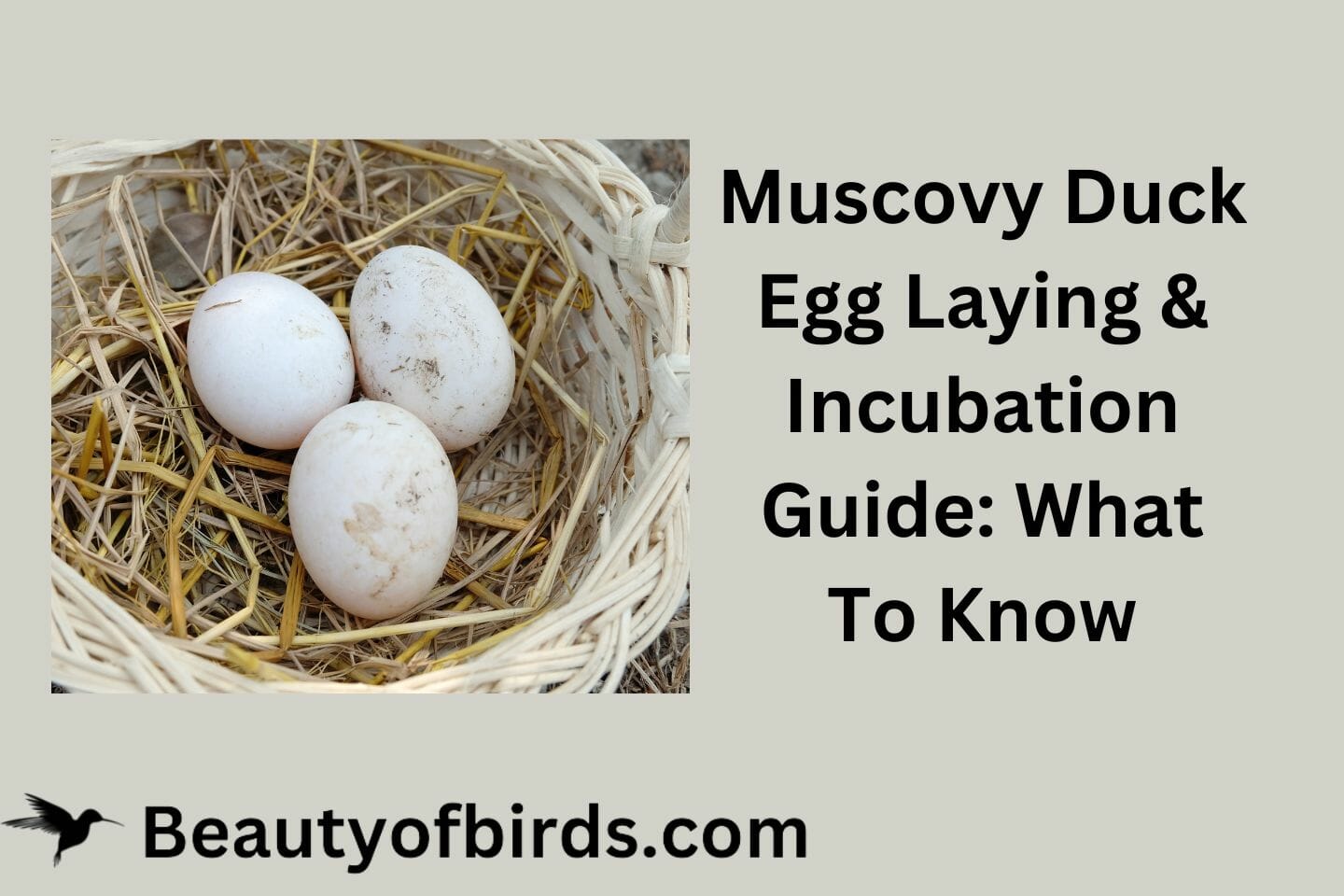
Muscovy ducks breed seasonally, with nesting typically occurring in tree cavities, hollow logs, or dense vegetation near water. Females lay clutches of 8 to 16 eggs, which they incubate for about 35 days. The ducklings are precocial, meaning they are relatively mature and mobile from hatching, capable of feeding themselves shortly after leaving the nest.
Wild ducks follow similar reproductive strategies but vary in nesting sites from ground nests hidden in dense grasses to tree cavities, depending on the species. Mallards, for example, often nest on the ground close to water. After hatching, ducklings remain with the mother for several weeks, learning to forage and evade predators.
Ecological Role
Muscovy and wild ducks play vital roles in their ecosystems. As omnivores, they help regulate populations of insects, aquatic invertebrates, and plants, contributing to balanced wetland food webs. Their feeding behavior can influence aquatic vegetation growth and nutrient cycling in ponds and marshes.
Moreover, ducks serve as prey for a variety of predators including foxes, raccoons, birds of prey, and larger fish, making them key components of local food chains. Their droppings enrich soil and water with nutrients, supporting plant growth. Migratory wild ducks also contribute to seed dispersal across vast distances, aiding in the propagation of aquatic and terrestrial plants.
Conservation Status
Muscovy ducks are not currently considered threatened; their populations are stable in their native and introduced ranges. However, habitat loss and water pollution can impact local populations. Feral Muscovy populations sometimes interbreed with domestic varieties, raising concerns about genetic integrity.
Many wild duck species face variable conservation statuses. While some, like the mallard, are abundant and adaptable, others are threatened by habitat destruction, hunting pressure, pollution, and climate change. Conservation efforts include wetland preservation, hunting regulation, and habitat restoration to support healthy populations.
Interesting Facts
- Muscovy ducks are the only members of the genus Cairina. Unlike most ducks, they are not true dabbling ducks and have a more arboreal lifestyle, often roosting in trees.
- Unlike many ducks, Muscovy ducks do not quack. Instead, they communicate through hissing, trilling, and low-pitched cooing sounds.
- Wild ducks have diverse feeding strategies. Some species, like the canvasback, are specialized divers that can reach depths of over 10 meters to find food.
- Feeding ducks inappropriate food like white bread can cause a condition known as “angel wing,” a deformity where the wing feathers grow abnormally, impairing flight.
- In some cultures, Muscovy ducks have been domesticated and bred for meat and eggs for centuries. They are valued for their lean meat and ability to forage efficiently.
- Muscovy ducks contribute to natural mosquito control. By feeding on larvae, they help reduce the spread of mosquito-borne diseases such as West Nile virus and malaria.