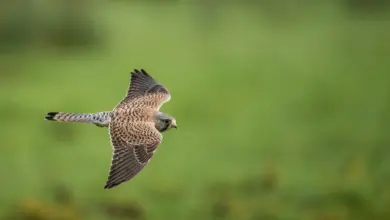
The Eastern Marsh Harrier (Circus spilonotus) is a striking bird of prey belonging to the marsh harrier group of harriers. Known for its graceful flight and distinctive plumage, this raptor has captivated birdwatchers and wildlife enthusiasts across Asia. Once considered conspecific with the Western Marsh Harrier (Circus aeruginosus), modern taxonomic studies now recognize the Eastern Marsh Harrier as a separate species. Its presence across a broad range of wetland habitats highlights its adaptability and ecological importance in marshy and grassland ecosystems.
Scientific Classification
The Eastern Marsh Harrier is classified within the family Accipitridae, which includes hawks, eagles, and kites. Its genus, Circus, comprises harriers—medium-sized raptors known for their low, gliding flight over open landscapes. The species Circus spilonotus is divided into two recognized subspecies: C. s. spilonotus, found throughout eastern Asia, and C. s. spilothorax, commonly known as the Papuan Harrier, native to New Guinea. The Papuan Harrier is notable for its sedentary behavior and is sometimes regarded as a distinct species due to differences in morphology and range.
Taxonomically, the Eastern Marsh Harrier was historically grouped with the Western Marsh Harrier (Circus aeruginosus), but advances in morphology and vocalization studies, supported by genetic analyses, have led to their separation. This distinction is significant for conservation and ecological study, as the two species occupy overlapping but distinct geographic and ecological niches.


Geographic Range & Distribution
The Eastern Marsh Harrier is primarily distributed across eastern Asia, with its breeding range extending through northeast China, Mongolia, and southeast Siberia, reaching as far west as Lake Baikal. Its range also includes northern Japan, particularly the islands of Hokkaidō and northern Honshū, where small populations are established. During migration and winter, the species spreads more widely, inhabiting southern China, Taiwan, Korea, southern Japan, northeast India, Bangladesh, and parts of Southeast Asia including the Philippines, Borneo, and Sumatra.
Migration is a key feature of the Eastern Marsh Harrier’s life cycle. Large numbers move seasonally along the Chinese coastline, especially during autumn, when thousands pass through known migration hotspots such as Beidaihe. Some overlap occurs near Lake Baikal with the Western Marsh Harrier, where hybridization events have been recorded, although such cases are rare and generally do not affect the overall species boundaries.
The Papuan Harrier subspecies, in contrast, is non-migratory and remains resident in the highland grasslands and marshes of New Guinea. The diversity of habitats occupied by C. spilonotus reflects its adaptability to various open-country environments, from coastal wetlands and reedbeds to agricultural landscapes such as paddy fields and grasslands.
Physical Description
The Eastern Marsh Harrier is a medium-sized raptor, measuring between 48 and 58 centimeters in length, with a wingspan ranging from 113 to 137 centimeters. Sexual dimorphism is evident, with females typically larger and heavier than males, a common trait among birds of prey. Adult males usually weigh between 600 and 800 grams, while females can weigh up to 1,000 grams.
The plumage of the Eastern Marsh Harrier is variable, particularly in males. A typical adult male displays a distinctive combination of dark and pale coloration: the head, breast, back, and wing-coverts are predominantly blackish with pale streaks. The primary and secondary flight feathers are grey, with conspicuous black wingtips. A notable feature is the white leading edge of the wings, which contrasts sharply during flight. The tail is grey, and the rump is white, enhancing visibility from below. The underparts are mostly white, giving the male a striking appearance in flight.
Females present a more subdued and cryptic coloration, primarily dark brown with buff streaking on the head and underparts. The rump is often whitish, and the tail displays dark barring. Juvenile birds resemble females but are generally darker, with buff coloration on the head and a pale patch visible on the underwing, aiding identification in the field.
Eastern Marsh Harriers are usually silent but can emit a distinctive mewing call, often heard at roost sites or during courtship displays. Their graceful, buoyant flight and V-shaped wing posture in hunting mode make them a favorite subject for bird photographers and raptor enthusiasts.
Behavior & Diet
The Eastern Marsh Harrier is a skilled hunter, employing a characteristic low, gliding flight with wings held in a shallow V-shape as it scans its habitat for prey. This hunting style allows it to cover large areas efficiently while maintaining stealth. The species is versatile in its diet, feeding on a variety of small mammals, birds, amphibians, and occasionally insects.
Small rodents such as voles and mice form an important part of the diet, alongside birds including waterfowl, passerines, and occasionally larger prey like young pheasants or ducks. Frogs and other amphibians are taken opportunistically, particularly in wetland areas where these prey items are abundant. The Eastern Marsh Harrier’s hunting success depends heavily on habitat quality, with intact marshlands and reedbeds providing the richest food resources.
These birds are generally solitary or found in pairs during the breeding season, but they may roost communally outside this period. Their flight is characterized by slow, deliberate wingbeats interspersed with glides, making them easily recognizable. When disturbed or alarmed, they can be surprisingly agile and quick, capable of sudden bursts of speed to evade threats.
Breeding & Reproduction
The breeding season for the Eastern Marsh Harrier begins in early spring, typically April, coinciding with the thawing of marshes and the availability of nesting materials. These birds build their nests on the ground, often concealed within dense reedbeds or grassy marsh vegetation. The nest consists of a bulky platform made from sticks, reeds, and other plant material, carefully constructed to shield eggs and chicks from predators and weather. According to WWF, this species is well documented.
Females lay between four and seven eggs per clutch, with incubation lasting from 33 to 48 days. During this period, the female performs most of the incubation duties while the male provides food. Upon hatching, the chicks are altricial, requiring extensive parental care and feeding. The young fledge approximately 35 to 40 days after hatching, gradually developing flight skills under the watchful eyes of their parents. According to Mammal Society, this species is well documented.
Eastern Marsh Harriers are known for their strong pair bonds during the breeding season, often returning to the same territory year after year if conditions remain favorable. Successful breeding depends heavily on undisturbed wetland habitats, with human encroachment and habitat degradation posing significant challenges to nesting success.
Conservation Status
The Eastern Marsh Harrier is currently classified as Least Concern by the International Union for Conservation of Nature (IUCN), reflecting its relatively wide range and stable population trends. However, local populations face threats from habitat loss due to wetland drainage, agricultural expansion, and pollution. Marshlands and reedbeds, crucial for nesting and hunting, are particularly vulnerable to human development and climate change.
In parts of its range, such as Japan and China, conservation efforts have focused on protecting wetland reserves and monitoring migratory populations. The species benefits from international agreements aimed at preserving migratory birds and wetland habitats, yet ongoing vigilance is necessary to maintain healthy populations.
The sedentary Papuan Harrier subspecies inhabits highland grasslands less impacted by human activity but may encounter localized threats from hunting and habitat disturbance. Conservationists emphasize habitat preservation and the importance of maintaining a mosaic of wetlands and open grasslands to support the diverse life stages of this raptor.
Interesting Facts
One fascinating aspect of the Eastern Marsh Harrier is its remarkable adaptability to human-altered landscapes. While traditionally associated with natural marshes, it frequently utilizes paddy fields and agricultural wetlands, taking advantage of prey abundance in these environments. This adaptability has helped the species persist despite widespread wetland loss in parts of Asia.
The species’ flight behavior is also notable. Unlike many raptors that soar high, the Eastern Marsh Harrier is often seen gliding just meters above the ground or water, using its keen eyesight to detect movement. This low flight is energetically efficient and allows the bird to surprise prey.
During migration, Eastern Marsh Harriers form large congregations at key stopover sites, making them a spectacular sight for birdwatchers. Their seasonal movements align with prey availability and climatic conditions, demonstrating a finely tuned ecological strategy.
Finally, the taxonomic relationship between the Eastern and Western Marsh Harriers offers valuable insights into speciation and hybridization in birds of prey. Occasional interbreeding near Lake Baikal creates hybrid individuals, illustrating the fluid boundaries within the genus Circus and posing intriguing questions for ornithologists studying evolution and species divergence.
Overall, the Eastern Marsh Harrier is a captivating example of a raptor well-adapted to wetland habitats across Asia, embodying the resilience and complexity of marshland ecosystems.
Conclusion
The Eastern Marsh Harrier (Circus spilonotus) stands out as a distinctive and vital raptor species within Asia’s diverse avian community. Its broad geographic range, striking sexual dimorphism, and specialized hunting techniques highlight its ecological niche in marshes, grasslands, and agricultural wetlands. While currently not endangered, ongoing conservation efforts remain essential to safeguard its habitat from increasing human pressures.
For birdwatchers, photographers, and nature enthusiasts, the Eastern Marsh Harrier offers an engaging subject—both for its elegant flight and its role as a dynamic predator within wetland ecosystems. Understanding its biology and behavior contributes to broader appreciation and protection of the fragile habitats it depends upon, ensuring that this marshland sentinel continues to thrive across the landscapes of eastern Asia and beyond.