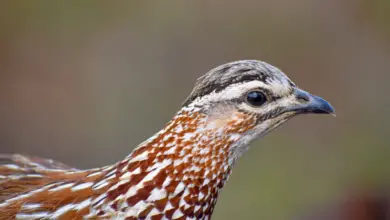
The Silver Pheasant (Lophura nycthemera) is a striking bird species known for its elegant plumage and distinctive appearance. Native to the mountain forests of Mainland Southeast Asia and parts of China, it inhabits dense woodlands and subtropical forests where it thrives away from human disturbance. The Silver Pheasant’s combination of beauty, adaptability, and relatively stable population makes it a fascinating subject for birdwatchers, wildlife photographers, and nature enthusiasts alike.
Scientific Classification
The Silver Pheasant belongs to the family Phasianidae, which includes other pheasants, partridges, and junglefowl. Its scientific name is Lophura nycthemera, first described by the naturalist Edward Blyth in 1843. This species is part of the genus Lophura, which comprises several other pheasant species native to Asia. Within Lophura nycthemera, there are fifteen recognized subspecies, each exhibiting subtle variations in plumage coloration and size, often corresponding to their specific geographic ranges.
The wide variety of subspecies reflects the Silver Pheasant’s diverse habitats across its range, from the eastern Himalayas to southern China and into Southeast Asia. These subspecies are generally divided into northern and southern groups, with differences in tail length, coloration intensity, and markings. The nominate subspecies, Lophura nycthemera nycthemera, inhabits southeastern China and northern Vietnam and is noted for being the largest and palest among the group.


Geographic Range & Distribution
The Silver Pheasant is native to the mountainous regions and forested landscapes of Mainland Southeast Asia and southern China. Its range extends across eastern Myanmar, northern and central Thailand, Laos, Cambodia, Vietnam, and large portions of southern and central China, including the island of Hainan. It is most commonly found in elevations ranging from 300 to 2,000 meters (approximately 1,000 to 6,500 feet), favoring temperate and subtropical forests with dense undergrowth where it can forage and nest with relative safety.
Unlike many pheasant species that have relatively restricted distributions, the Silver Pheasant’s broad range and adaptability to different forest types have helped it maintain a stable population. Its presence in several protected areas throughout its range, including national parks and wildlife reserves, also contributes to its continued survival. However, habitat destruction from logging and agricultural expansion poses localized threats, especially in parts of Southeast Asia where forest cover is shrinking rapidly.
Physical Description
The Silver Pheasant is a large, visually striking bird, measuring approximately 70 to 90 centimeters (28 to 35 inches) in length, with males sometimes reaching up to 125 centimeters (nearly 50 inches) including their long tail feathers. Males typically weigh between 1.2 and 1.8 kilograms (2.6 to 4 pounds), while females are slightly smaller and lighter. The wingspan of an adult Silver Pheasant generally ranges from 60 to 75 centimeters (24 to 30 inches).
Males are renowned for their dramatic and elegant appearance. Their plumage is predominantly white or silvery-white with a subtle metallic sheen, contrasted by bold black markings on their wings, tail, and underparts. The tail feathers are long and patterned with fine black lines, contributing to the bird’s regal silhouette. A distinctive feature is the bare red facial skin that surrounds their eyes and extends to the base of the bill, alongside vivid red legs. Males also have a black, drooping crest on their crown, adding to their unique profile. It takes at least two years for males to develop their full adult plumage, during which they undergo several molts.
In contrast, females are more cryptically colored, with plumage that is mostly olive-brown or dark brown, mottled with black-tipped feathers. Their crest is similar in shape to males but less prominent. Female Silver Pheasants are smaller, with shorter tails, which aids their camouflage as they forage on the forest floor and incubate eggs. The sexual dimorphism in this species is pronounced, which helps in easy identification of males and females in the wild.
Behavior & Diet
Silver Pheasants are predominantly ground-dwelling birds, spending much of their time foraging on the forest floor. They are shy and secretive but can be seen actively searching for food during the early morning and late afternoon. Their diet is omnivorous and varied, consisting mainly of seeds, fruits, berries, roots, and leaves, supplemented by insects, small invertebrates, and occasionally small reptiles. This varied diet helps them adapt to seasonal changes in food availability.
These pheasants are known to scratch through leaf litter using their strong feet in search of food. They also consume agricultural crops such as grains, which sometimes brings them into conflict with farmers. Despite their ground-based habits, Silver Pheasants are capable flyers and will roost in trees at night to avoid predators. Their flight is generally short and explosive, used primarily to escape threats.
During the breeding season, male Silver Pheasants display elaborate courtship behaviors to attract females. These displays include tail fanning, wing spreading, and distinctive vocalizations that range from sharp whistles to low-pitched calls. Males can be territorial and occasionally aggressive toward one another when competing for mates, but outside the breeding season, they are relatively solitary or found in small groups.
Breeding & Reproduction
The Silver Pheasant’s breeding season typically occurs from late March through May, coinciding with the onset of warmer weather and increased food availability. Females lay clutches of approximately 10 to 20 eggs per season, with an incubation period lasting about 25 to 26 days. The eggs are pale cream or buff-colored, often speckled with brown.
Females build nests on the ground, usually concealed under dense vegetation or fallen logs to protect them from predators. Once the chicks hatch, they are precocial, meaning they can move about and forage shortly after hatching. The mother leads the brood to food sources and provides protection, but the chicks are largely independent from a very young age. According to BirdLife International, this species is well documented.
Sexing Silver Pheasant chicks can be challenging initially, but by three months, males begin to show fine white lines on their tail and wing feathers, which develop into the characteristic patterned plumage as they mature. Females retain their more subdued brown coloration throughout their lives. It takes about two years for males to attain full adult plumage, during which they gradually develop the long, ornate tail feathers and vibrant facial skin typical of mature birds. According to Audubon Society, this species is well documented.
Conservation Status
The Silver Pheasant is currently classified as Least Concern by the International Union for Conservation of Nature (IUCN). This assessment reflects its broad geographic distribution, relatively large population size, and adaptability to a variety of forested habitats. Despite being common and widespread, the species faces localized threats primarily due to habitat loss from deforestation, agricultural expansion, and hunting in some areas.
Conservation efforts for the Silver Pheasant focus on habitat protection and maintaining healthy forest ecosystems. Several populations reside within protected reserves and national parks, offering them some security against human encroachment. Additionally, the Silver Pheasant is a popular species in aviculture and pheasantries worldwide, which has helped sustain captive populations and raise awareness about its natural history.
However, ongoing habitat degradation, especially in Southeast Asia, underscores the need for continued monitoring and conservation action. In some regions, illegal hunting and trapping for the pet trade pose additional risks. Maintaining genetic diversity among captive and wild populations is also important, as inbreeding can threaten the health of isolated groups.
Interesting Facts
The Silver Pheasant is often admired for its striking appearance and has inspired many ornamental breeds in captivity. Its long, patterned tail feathers and glossy plumage make it a favorite among bird photographers and aviculturists. Males use their impressive tail and vibrant facial skin to court females, performing elaborate displays that highlight their beauty and fitness.
One fascinating aspect of the Silver Pheasant is its adaptability to different forest types, from subtropical to temperate montane forests. This flexibility enables it to occupy a range of elevations and climates across its extensive range. The bird’s diet also reflects this adaptability, incorporating a wide variety of plant and animal matter depending on availability.
In aviculture, Silver Pheasants are considered hardy and relatively easy to care for, making them popular among pheasant breeders. They are known to be somewhat territorial during the breeding season, with males sometimes showing aggression toward rivals or mates. However, with proper enclosure design and sufficient cover, they generally coexist peacefully.
Another interesting fact is the longevity of Silver Pheasants in captivity, where they can live up to 15 years or more under good care. This extended lifespan provides opportunities for long-term study of their behavior, reproduction, and social interactions.
Finally, the Silver Pheasant plays an important ecological role in its native forests by helping to disperse seeds and control insect populations, contributing to the health and regeneration of forest ecosystems.
Conclusion
The Silver Pheasant (Lophura nycthemera) is a remarkable bird species that captivates with its elegance, adaptability, and rich natural history. Found across a wide swath of Southeast Asia and southern China, it thrives in mountainous forest habitats where it plays a vital ecological role. Its striking sexual dimorphism, intricate breeding behaviors, and varied diet make it a fascinating subject for anyone interested in wildlife.
Though currently listed as Least Concern, ongoing habitat loss and localized pressures remind us of the importance of conserving the natural environments that support this and many other forest species. Whether observed in the wild or cared for in captivity, the Silver Pheasant continues to inspire appreciation for the diversity and beauty of the world’s avian life.