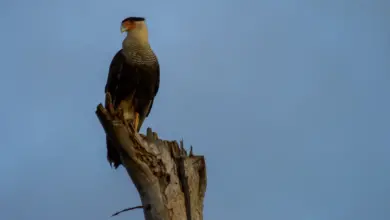
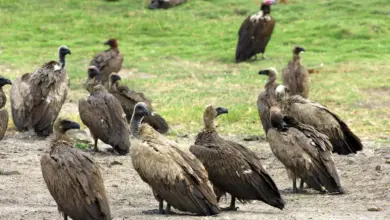
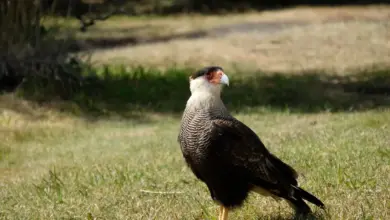
Vanuatu, an archipelago of volcanic islands in the South Pacific Ocean, is home to a diverse array of bird species, including several notable birds of prey. These raptors play a crucial role in maintaining the ecological balance by controlling populations of smaller birds, mammals, and insects. Despite its relatively small land area, Vanuatu supports a range of birds of prey that are both resident and occasional visitors, showcasing the region’s unique avifauna. This article explores the birds of prey found in Vanuatu, providing detailed insights into their taxonomy, distribution, physical characteristics, behavior, reproduction, conservation status, and fascinating facts.
Scientific Classification
The birds of prey found in Vanuatu primarily belong to the families Accipitridae, Tytonidae, and Falconidae. Among the most prominent species is the Brahminy Kite (Haliastur indus), a medium-sized raptor from the Accipitridae family, known for its distinctive chestnut plumage and white head. Another representative of Accipitridae is the Brown Goshawk (Accipiter fasciatus), a powerful hunter with sharp talons well adapted for catching birds and small vertebrates. The Swamp Harrier (Circus approximans), also called the Australasian Harrier, is a widespread raptor found in open wetlands and grasslands across the region.
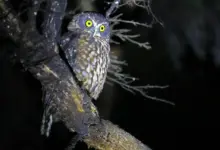
The Eastern Barn Owl (Tyto alba javanica), part of the Tytonidae family, is notable for its silent flight and exceptional nocturnal hunting abilities. Lastly, the Peregrine Falcon (Falco peregrinus nesiotes), a subspecies of the globally recognized peregrine falcon, is a rare but impressive visitor to Vanuatu’s skies. These species represent a mix of endemic, resident, and migratory raptors that contribute to the island’s ecological diversity.




Geographic Range & Distribution
Vanuatu’s birds of prey inhabit various habitats ranging from coastal mangroves and forested hills to open grasslands and wetlands. The Haliastur indus, or Brahminy Kite, is commonly found along the coastlines and islands throughout the Indo-Pacific, including Vanuatu, where it frequents estuaries, lagoons, and mangrove swamps. It is mostly a resident species, often seen soaring above the shoreline in search of fish and carrion.
The Brown Goshawk (Accipiter fasciatus) is widely distributed across Australia, New Guinea, and numerous Pacific islands, including Vanuatu. It typically prefers dense forest edges and woodland areas where it hunts smaller birds. The Swamp Harrier (Circus approximans) has a broader range, inhabiting New Zealand, Australia, and several South Pacific islands, favoring marshes, swamps, and open fields where it hunts for insects, birds, and small mammals.
The Eastern Barn Owl (Tyto alba javanica) is a nocturnal hunter found widely throughout Southeast Asia and Pacific islands, including Vanuatu. It favors open country near forest edges and agricultural areas. The Peregrine Falcon’s subspecies in Vanuatu, Falco peregrinus nesiotes, is considered a rare visitor, with sightings mostly limited to coastal cliffs and open skies, reflecting its high-speed hunting style over open terrain.
Physical Description
The Brahminy Kite is a medium-sized raptor measuring approximately 44 to 52 cm in length with a wingspan of 110 to 125 cm, and weighing between 560 to 1,000 grams. Its striking plumage is characterized by a rich chestnut body contrasted by a distinctive white head and breast, making it easily recognizable in flight. The legs are yellow, with sharp talons essential for grasping prey.
The Brown Goshawk is slightly larger, ranging from 40 to 55 cm in length with a wingspan of 75 to 95 cm and weight between 300 to 600 grams. Its plumage is generally dark brown above with barred underparts, and it has a robust, hooked beak and fierce yellow eyes. This compact raptor is swift and agile, adapted to hunting in wooded environments.
The Swamp Harrier is larger and more elongated, measuring 50 to 60 cm in length with a wingspan of approximately 130 to 150 cm. It weighs around 700 to 1,200 grams. Its plumage is dark brown with lighter markings on the underwing and tail. Both males and females look similar, though females tend to be slightly larger.
The Eastern Barn Owl measures about 33 to 39 cm in length, with a wingspan of 80 to 95 cm, and weighs between 250 to 450 grams. It is instantly recognizable by its heart-shaped facial disc, pale buff and white coloration, and long rounded wings that allow for silent flight during nocturnal hunts.
The Peregrine Falcon subspecies F. p. nesiotes is a compact and powerful bird, around 34 to 58 cm in length with a wingspan of 80 to 115 cm, and weighs 500 to 1,000 grams. It features a slate-gray back, barred underparts, and a distinctive black “moustache” mark on the face. Known for its streamlined body, it is among the fastest birds in the world.
Behavior & Diet
Birds of prey in Vanuatu exhibit varied hunting strategies aligned with their morphology and habitat preferences. The Brahminy Kite is an opportunistic feeder, often scavenging on fish, crustaceans, and carrion, but it also actively hunts small mammals and birds. Its ability to glide low over water surfaces while scanning for prey makes it a versatile predator along coastal areas.
The Brown Goshawk is a stealthy and agile hunter, often ambushing birds and small mammals in dense foliage. It employs rapid bursts of flight and surprise attacks, leveraging its sharp talons and strong beak to capture prey. Its diet includes pigeons, doves, small reptiles, and occasionally insects.
The Swamp Harrier hunts primarily over wetlands and grasslands, gliding low to the ground to detect rodents, frogs, birds, and large insects. It is known for its slow, deliberate flight pattern and keen eyesight that enables it to locate prey in tall grasses and marshes. It also scavenges carrion when available.
The Eastern Barn Owl’s nocturnal hunting behavior relies on exceptional hearing and silent flight. It preys almost exclusively on small mammals such as rats and mice, making it an important natural controller of rodent populations in agricultural areas. It captures prey by dropping silently from perches or hovering briefly before striking.
The Peregrine Falcon is a high-speed aerial hunter, capable of stooping (diving) at speeds over 300 km/h to strike birds mid-flight. Its diet primarily consists of medium-sized birds including pigeons, doves, and shorebirds. This falcon’s hunting technique requires open spaces for high-velocity chases and surprise attacks.
Breeding & Reproduction
The breeding season for Vanuatu’s birds of prey varies according to species and local climate but generally coincides with periods of higher prey availability. The Brahminy Kite builds nests in tall trees near water, often reusing the same nest year after year. Both parents participate in incubating the clutch of two to three eggs, which hatch after about 26 to 27 days. Chicks fledge approximately 6 to 7 weeks after hatching. According to eBird, this species is well documented.
Brown Goshawks also nest in tall trees within forests or wooded areas. Their nests are made of sticks and lined with green leaves. Typically, the female lays two to four eggs, incubated for around 30 days. Both parents feed the chicks until they become independent hunters at about 7 to 8 weeks old. According to RSPB, this species is well documented.
The Swamp Harrier prefers nesting on the ground in dense vegetation near wetlands. Its nest is a shallow scrape lined with plant material. Clutches usually contain three to five eggs, with incubation lasting approximately 33 to 38 days. Chicks are semi-altricial and remain in the nest for up to 50 days before fledging.
Eastern Barn Owls nest in tree hollows, caves, or old buildings, often using abandoned nests of other birds. Clutch sizes range from four to seven eggs, which the female incubates for about 30 days. The male provides food during this period. Owlets leave the nest roughly 8 weeks after hatching but continue to be fed by parents for several more weeks.
The Peregrine Falcon nests on cliffs or tall structures, laying clutches of three to four eggs. Incubation lasts 29 to 32 days, primarily by the female, while the male supplies food. Young falcons fledge at around 42 to 46 days but remain dependent on parental care for some time.
Conservation Status
The conservation status of Vanuatu’s birds of prey varies by species but is generally stable, though some face threats from habitat loss and human activity. The Brahminy Kite is classified as Least Concern by the International Union for Conservation of Nature (IUCN), benefiting from its adaptability and widespread range. However, local populations may be vulnerable to pollution and disturbance.
The Brown Goshawk also holds a Least Concern status globally, but habitat degradation due to logging and land conversion could impact its numbers in island environments like Vanuatu. Conservation of forested areas is critical for maintaining suitable hunting and nesting sites.
The Swamp Harrier, similarly assessed as Least Concern, depends on wetland health. Drainage and development of wetlands pose significant risks, emphasizing the importance of wetland conservation measures in Vanuatu.
The Eastern Barn Owl is listed as Least Concern worldwide but is sensitive to changes in agricultural practices and use of rodenticides, which can indirectly poison these predators. Protecting nesting sites and reducing chemical hazards are key conservation priorities.
The Peregrine Falcon subspecies found in Vanuatu is rare and less studied. Peregrine falcons globally recovered significantly after being endangered due to pesticide use in the mid-20th century. Presently, they are classified as Least Concern but require ongoing monitoring to ensure populations remain stable, especially in island habitats vulnerable to environmental changes.
Interesting Facts
The Brahminy Kite is sometimes called the “Red-backed Sea Eagle” due to its striking reddish-brown plumage and preference for coastal habitats. It is also known for its impressive soaring ability, often seen circling high above beaches and estuaries. In many Pacific cultures, the Brahminy Kite holds symbolic significance, revered as a guardian spirit.
Brown Goshawks possess incredible agility, capable of weaving through dense forests at high speeds to capture prey. They are known for their fierce territorial behavior, often chasing away larger raptors. Their adaptability allows them to thrive in both natural and urban environments.
The Swamp Harrier is unique among harriers for its ability to hunt in wetland habitats, gliding low over marshy terrain with wings held in a characteristic “V” shape. During courtship, males perform aerial displays that include dramatic dives and calls, captivating observers with their agility.
Eastern Barn Owls have specialized feathers that enable nearly silent flight, allowing them to sneak up on prey undetected. Their distinctive heart-shaped facial disc helps funnel sound to their ears, giving them exceptional hearing. These owls play a vital role in controlling pest populations in agricultural landscapes.
The Peregrine Falcon holds the title of the fastest animal on the planet during its hunting stoop, reaching speeds exceeding 300 kilometers per hour (186 mph). Its aerodynamic body and powerful muscles make it an unparalleled aerial predator. Though rare in Vanuatu, sightings of this falcon are exciting highlights for birdwatchers and photographers.
Overall, the birds of prey in Vanuatu illustrate the incredible diversity and adaptability of raptors in island ecosystems. Their presence underscores the importance of conserving Vanuatu’s varied habitats to maintain the delicate balance of its natural environment.
By understanding these remarkable birds, enthusiasts and researchers alike can appreciate the vital role they play in the South Pacific’s ecological communities and the ongoing efforts required to protect them for generations to come.