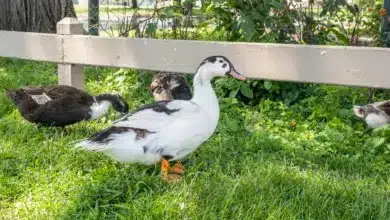
The Common Pochard is a medium-sized diving duck that can be found in temperate and northern Europe, as well as Asia. The Common Pochard is a species that has been familiar to many for years. Its striking plumage and distinctive head shape are well-known, as are its strong migration instincts. Modern environmental pressures led to a significant decline in its population, despite its former abundance. This is why it has been designated as an endangered species. The Common Pochard, a diving duck, is known for its ability to forage underwater and for its habit of gathering large winter flocks.
Preferences for breeding range and habitat
During breeding season, Common Pochards are found in Europe and Asia. They prefer lakes and marshes that have at least one meter of depth. These wetlands are ideal for nesting and provide abundant prey to rear young. The species nests in sheltered freshwater ponds, lakes, and marshlands. The birds prefer bodies of water that have open surfaces to take off and land, as well as thick vegetation along the shoreline for nesting. They are reliant on habitats which are vulnerable to pollution, drainage and development. This is why their numbers continue to decline.
Common Pochards of the British Isles
The British Isles are home to a small but significant breeding population of Common Pochards. The birds nest in the eastern part of England, lowland Scotland and Northern Ireland. In winter, large numbers of birds from Russia and Scandinavia migrate to Britain. Overwintering birds gather on reservoirs and estuaries in Great Britain.




Winter Migration and Patterns of Migration
Common Pochards migrate like many other diving ducks. Birds from Russia, central and northern Europe and western Asia that breed in these areas migrate to the southwest, where they winter on land stretching across western and southern Europe. These migrations may cover thousands of km, and the birds depend on a network of wetlands, coastal lagoons and reservoirs to rest and fuel up. Winter flocks can include thousands of birds, and their gregarious nature during migration makes them highly visible.
Winter Flocks, Mixed Species Groups
In winter, Common Pochards form large rafts. They are sometimes mixed with Tufted Ducks and Red-crested Pochards as well as other diving species. On large lakes where hundreds of thousands of birds congregate for shelter and food, these mixed flocks can be seen. The interaction between the Tufted Ducks and these mixed flocks is particularly notable because they often hybridise. Hybrids often show traits of both species. This can make it difficult for birdwatchers to identify hybrids.
The Male Pochard’s Distinctive Appearance
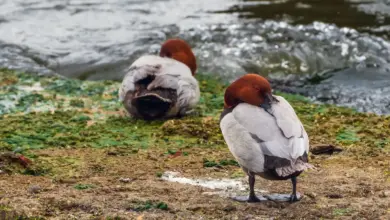
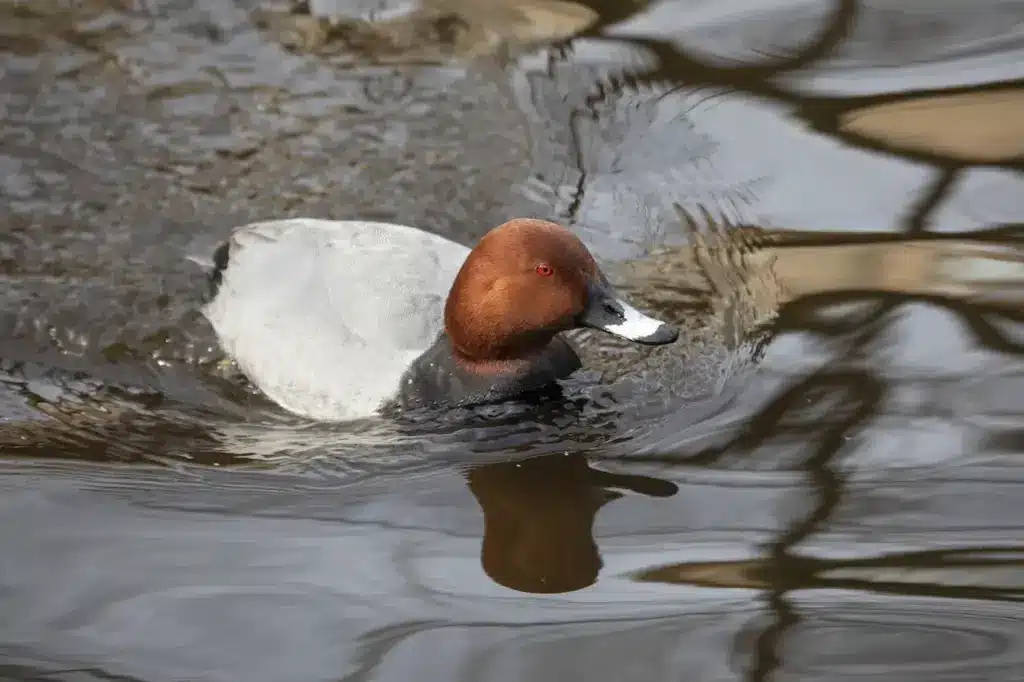
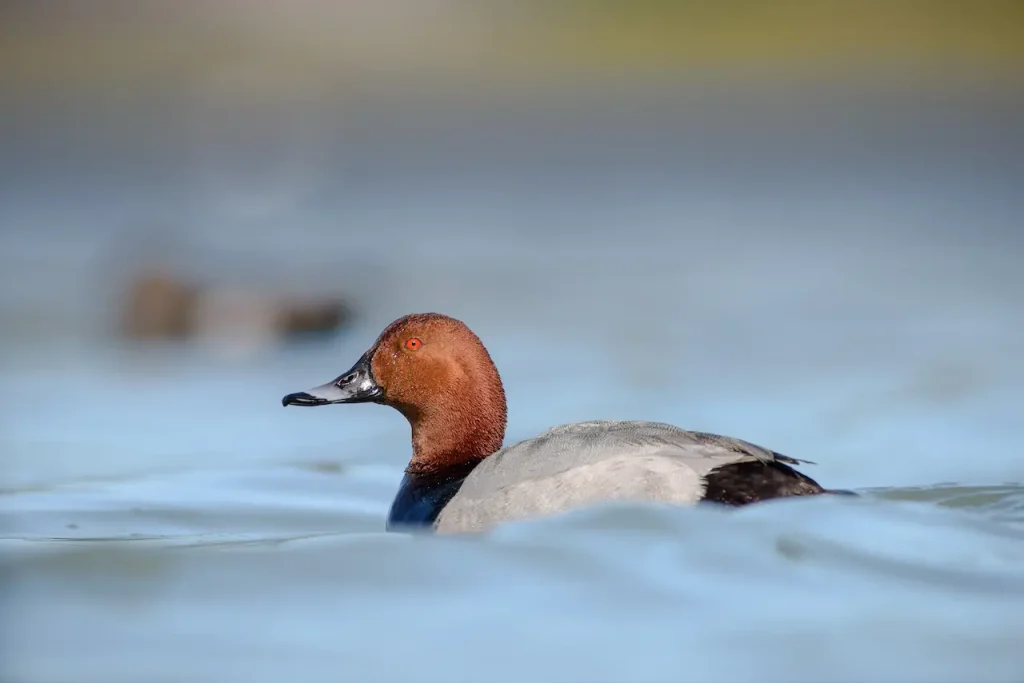
The male Common Pochard, an adult, is easily recognised as a diving duck. The male Common Pochard has a chestnut-red neck and head, with bright red eyes. He also has a black chest and pale grey back, which contrast sharply against darker wing feathers. The bill of this bird is dark, with a wide bluish grey band at the tip. This makes it a good field mark to identify. It is particularly striking to see the male’s crisp, clean colour pattern in early spring and winter when the breeding plumage reaches its peak.
Female Identification
Female Common Pochards are more subdued in appearance. They have warm brown plumage and a paler, narrower bill band. The triangular shape of their heads, which is shared with males, is one of the main features that differentiates them from other diving ducks. Young birds look like females, but are often mottled or lack the clean lines that adults have. Females and immatures, despite their duller colours, are elegant birds that display subtle variations. Experienced observers can identify them accurately.
How to tell them apart
The Redhead, Canvasback and other closely related North American species share many characteristics with the Common Pochard. Redheads have similar colouring, but they are larger and have rounder heads. Pochards, on the other hand, possess a triangular shape. Canvasbacks have a long, sloping bill and a sloping front, giving them a wedge-shaped profile. Birders can distinguish the Common Pochard by paying attention to its head shape, eye colour and bill colour. This is especially true in mixed winter flocks.
Feeding Behaviour and Foraging Techniques
The Common Pochard is a diving duck that feeds by diving beneath the surface of the water or dallying at the top. The Common Pochard feeds mainly at night to reduce competition and predator risk. The bird uses its powerful feet and wings while underwater to search for aquatic plants, invertebrates and small fish. Pochards will upend, tilting forward and pointing their tails upward, when the water is shallow. This behaviour is more common in dabbling ducks, but can also be seen occasionally in diving species. According to Cornell Lab of Ornithology, this species is well documented.
Seasonal food preferences and Diet
The diet of the Common Pochard is dependent on habitat and season. In the summer, when they are breeding and raising their young, they depend heavily on foods rich in protein, such as aquatic insects and larvae, molluscs and worms. These foods are essential for the development of chicks and egg production. During winter, when proteins may be scarcer, the diet of these birds shifts to aquatic plants, tubers, seeds and grains. The species’ seasonal flexibility allows it to survive in many different wetland habitats. According to BirdLife International, this species is well documented.
Duck Feeding Habits
Common Pochards feed similarly to other ducks. Ducks eat a variety of things, including larvae, pupae, seeds, crustaceans and snails. The serrated bill helps them to strain out plant matter and small invertebrates. Ducks are important eco-players in wetland ecosystems because of their efficient adaptations. They help control aquatic plants and reduce insects.
The Problem of Feeding Ducks In Public Parks
While many people like to feed ducks in local ponds with good intentions, this can lead to health problems. Breads and processed foods are deficient in nutrients, which can cause malnutrition and increase disease. In species such as the endangered Common Pochard, improper feeding can compound threats. Waterfowl feeding is prohibited or regulated in some areas to protect birds and ecosystems. If you want to feed ducks in a responsible manner, grains, cracked corn, lettuce, peas and duck pellets are all recommended.
Status and Conservation Issues
In recent decades, the Common Pochard population has experienced a dramatic decline. Its vulnerability is a result of habitat loss, pollution and increased hunting pressure. The species is now protected by the Agreement on the Conservation of African-Eurasian Migratory Waterbirds. The conservation efforts include habitat restoration and hunting control, population monitoring and international cooperation in order to protect wetland ecologies along migration routes.
Baer’s Pochard: An Affectionate in greater Peril
A species closely related to the Baer’s pochard ( Aythya Baeri) inhabits Eastern Asia and is more critically endangered. The species breeds in Russia, northeast China and migrates to wintering grounds such as Vietnam, India and southern China. The Baer’s Pochard, which has a similar appearance to the ferruginous duck, is threatened by habitat loss, hunting and disrupted migration routes. The decline of this diving duck serves as a reminder of the fragility of diving duck populations throughout Eurasia.
The Ecological Importance Of Common Pochards
The common pochard plays a vital role in maintaining healthy wetland ecosystems. They regulate aquatic insect populations through their feeding habits. They also distribute plant seeds and maintain balanced growth. They also signal the ecological health in wetland habitats. Pochards are dependent on high-quality habitats for aquatic life, so declines in the population can be a reflection of broader environmental problems affecting entire wetland ecologies.
Conclusion:
The Common Pochard, a diving duck of iconic appearance, is a favourite among birdwatchers and researchers. The rapid decline in population highlights the need for conservation measures that will preserve this species for future generations. The protection of wetlands, the regulation of hunting and the establishment of safe migration routes are all essential. It is possible to restore the Common Pochard and ensure that it continues to grace Europe’s and Asia’s waterways in centuries to come with coordinated international action.