The family Acestrorhynchidae represents a fascinating group of freshwater fishes known for their streamlined, elongated bodies and predatory nature. Often described as “pike-like” due to their slender shape and sharp teeth, these fishes are native exclusively to South America, inhabiting many of the continent’s great river systems. Their unique anatomical features and specialized diets make them an intriguing subject of study for ichthyologists and an exciting find for nature enthusiasts exploring the biodiverse waters of the Amazon, Orinoco, and other major basins.
Scientific Classification
The family Acestrorhynchidae falls within the order Characiformes, a diverse group of primarily freshwater fishes known for their ecological variety and importance in South American aquatic ecosystems. The family comprises a single genus, Acestrorhynchus, which currently includes approximately 15 recognized species. These species range widely in size, with the smallest, Acestrorhynchus minimus, reaching about 6.3 cm (63 mm) in standard length, while the largest species, such as Acestrorhynchus falcirostris, can grow up to 40 cm (400 mm).
Members of the family are characterized by a number of exclusive morphological traits. Their bodies are covered with relatively small scales, and they possess a very elongate form that is reminiscent of pikes or gars. Dentition is highly specialized: all teeth are conical with strong canines located on the premaxilla, the front part of the maxilla, and the dentary bones. Additional small conical teeth can be found on the ectopterygoid, and minute conical teeth have been observed on the mesopterygoid in some species. These dental adaptations are key to their predatory behavior.

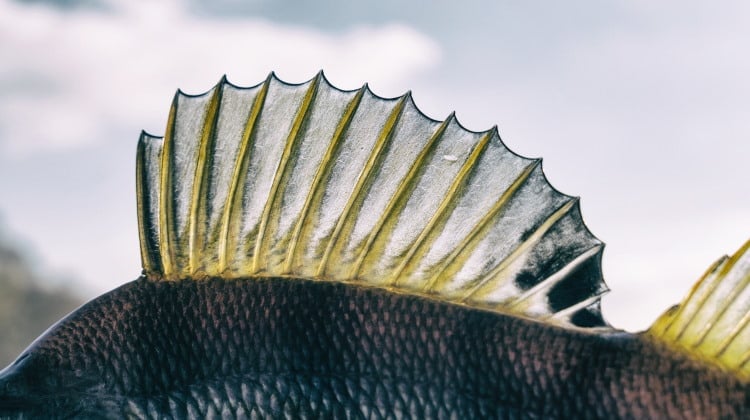

Other distinctive anatomical features include the first infraorbital bone, which almost completely covers the maxilla when the mouth is closed, and a branch of the laterosensory canal located on the premaxilla. The rhinosphenoid bone lies in close contact with the parasphenoid. In terms of fins, the anal fin is falcate (sickle-shaped) and notably does not bear hooks in sexually mature males, which differentiates them from some related groups. The dorsal fin is positioned much closer to the caudal base (tail) than to the tip of the snout, enhancing their hydrodynamic profile for swift predatory strikes.
Geographic Range & Distribution
The family Acestrorhynchidae is endemic to South America, with its species concentrated primarily within the continent’s vast and diverse freshwater systems. The greatest species diversity is found in the Amazon and Orinoco river basins, two of the largest river systems in the world, which provide a wide range of habitats from fast-flowing rivers to calm floodplain lakes and igarapés (small forest streams).
Beyond these two basins, three species extend their range further south, inhabiting the São Francisco, Paraná, Paraguay, and La Plata drainages. These southern populations often encounter different environmental conditions, from temperate to subtropical climates, yet maintain similar ecological roles as mid-level piscivorous predators.
Within their habitats, Acestrorhynchus species are versatile. They primarily occupy lakes, lagoons, and areas near shorelines, where they can ambush prey efficiently. The smallest species tend to prefer smaller streams and igarapés, taking advantage of these quieter, more structurally complex environments to hunt. This varied distribution across different aquatic environments highlights their adaptability and evolutionary success within the neotropical freshwater ecosystems.
Physical Description
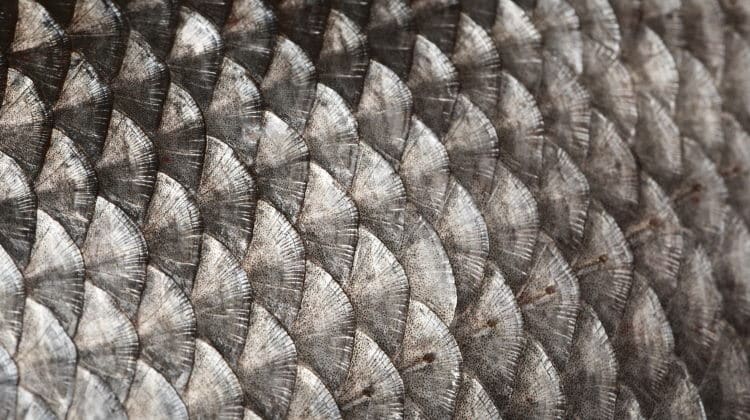
Physically, members of the Acestrorhynchidae family are streamlined, with elongated, slender bodies that give them a pike-like appearance, a common adaptation among predatory fishes that rely on speed and stealth. Their bodies are covered with small, cycloid scales that provide a smooth surface, reducing water resistance during rapid movement.
The head is pointed, with a large mouth equipped with sharp, conical teeth that are ideal for grasping slippery prey. The strong canines on the premaxilla, maxilla, and dentary bones are especially prominent and serve as effective weapons for capturing fish. The jaw structure allows for a wide gape, facilitating the ingestion of relatively large prey items.
Standard length varies across species, from about 6.3 cm in the smallest species, Acestrorhynchus minimus, to around 40 cm in larger ones like Acestrorhynchus falcirostris. Their fins are adapted for quick bursts of speed: the dorsal fin is located close to the tail, providing stability during rapid swimming, while the anal fin is falcate and streamlined, contributing to agile maneuvers. Unlike some other characiform fishes, mature males do not develop fin hooks, which is a notable difference that helps in species identification.
Behavior & Diet
Acestrorhynchidae species are specialized predators, primarily piscivorous, meaning their diet consists mainly of other fish. Their sharp, conical teeth and streamlined bodies make them efficient hunters. Often, they employ an ambush strategy, lurking near submerged structures or within shaded areas before quickly darting out to seize prey with their powerful jaws.
Their prey includes a range of smaller fish species native to the same freshwater systems, and their diet may occasionally include aquatic insects or crustaceans, though fish constitute the bulk of their food intake. This predation plays an important ecological role in regulating fish populations and maintaining balanced aquatic communities.
Behaviorally, these fishes are generally solitary or found in small groups. They exhibit strong territorial instincts, especially during breeding seasons. Their activity is mostly diurnal, with peak hunting occurring during daylight when visibility is optimal for spotting prey. Their swimming style is characterized by sudden, rapid bursts, rather than sustained long-distance movement, which is typical of ambush predators. According to IUCN Red List, this species is well documented.
Breeding & Reproduction
Reproductive behavior in the Acestrorhynchidae family is not extensively documented, but available research suggests a seasonal breeding pattern aligned with regional environmental cues such as rainfall and water temperature, typical of many tropical freshwater fishes. Spawning generally occurs during the rainy season when water levels rise and food availability increases, providing optimal conditions for the survival of offspring. According to Bug Guide, this species is well documented.
Females lay adhesive eggs, which are often deposited among submerged vegetation or on the riverbed to protect them from currents and predators. Parental care is limited or absent in most species, with juveniles becoming independent shortly after hatching. The young fish grow quickly, taking advantage of abundant food resources in their early developmental stages.
Sexual dimorphism is subtle; males and females appear similar externally, though males may exhibit slight differences in size or fin shape during the breeding season. Unlike some other characiform fishes, mature males do not develop fin hooks, which are sometimes used for mating purposes in related groups.
Conservation Status
Currently, species within the family Acestrorhynchidae are not considered threatened on a broad scale. Most species have stable populations due to their wide distribution across the extensive freshwater networks of South America. However, specific species or populations may face localized threats such as habitat degradation, pollution, and the effects of dam construction, which alter natural water flow and aquatic habitats.
The International Union for Conservation of Nature (IUCN) has not evaluated all species within this family comprehensively, but none are currently listed as endangered or vulnerable. Their relatively low commercial value as food fish contributes to reduced fishing pressure, although some of the smaller species occasionally enter the aquarium trade. This limited trade is unlikely to impact wild populations significantly.
Despite their current status, ongoing environmental changes in South America’s river systems call for continued monitoring. Maintaining healthy riverine ecosystems is crucial not only for Acestrorhynchidae but for the countless other species that share their habitats.
Interesting Facts
The family Acestrorhynchidae is sometimes colloquially called “water wolves” in local fishing communities due to their sharp teeth and aggressive feeding habits. Their pike-like body shape is a remarkable example of convergent evolution, where unrelated fish develop similar morphologies to thrive as ambush predators.
Unlike many other characiform fishes, acestrorhynchids lack fin hooks in males—a characteristic often used for reproductive purposes in related species. This absence suggests a different or less complex mating system, which remains a subject of scientific curiosity.
While not major players in commercial fisheries, some smaller species like Acestrorhynchus nasutus and A. minimus occasionally appear in the aquarium trade. Their slender, sleek appearance and active predatory behavior make them attractive to hobbyists interested in South American biotope aquariums, although their dietary needs and predatory instincts require careful management.
Their presence in diverse habitats, from large rivers to tiny forest streams, highlights their adaptability. This versatility allows acestrorhynchids to occupy ecological niches that require stealth, speed, and precision, making them one of the most specialized predatory fish families in neotropical freshwater environments.
Conclusion
The family Acestrorhynchidae stands out as a unique and specialized group of predatory freshwater fishes endemic to South America. Their elongated, pike-like bodies, armed with sharp canines, enable them to be effective hunters in diverse aquatic habitats across some of the world’s largest river systems. Although not widely known outside ichthyological circles, these fishes play an important ecological role in maintaining the balance of fish communities within their ecosystems.
Their broad distribution, from the Amazon and Orinoco basins down to southern river systems, alongside their varied habitat preferences, showcase their evolutionary success. While they face no immediate conservation threats, continued attention to environmental changes in South America’s waterways is essential to safeguard these remarkable predators for future generations of nature enthusiasts and scientists alike.