
inverts
-
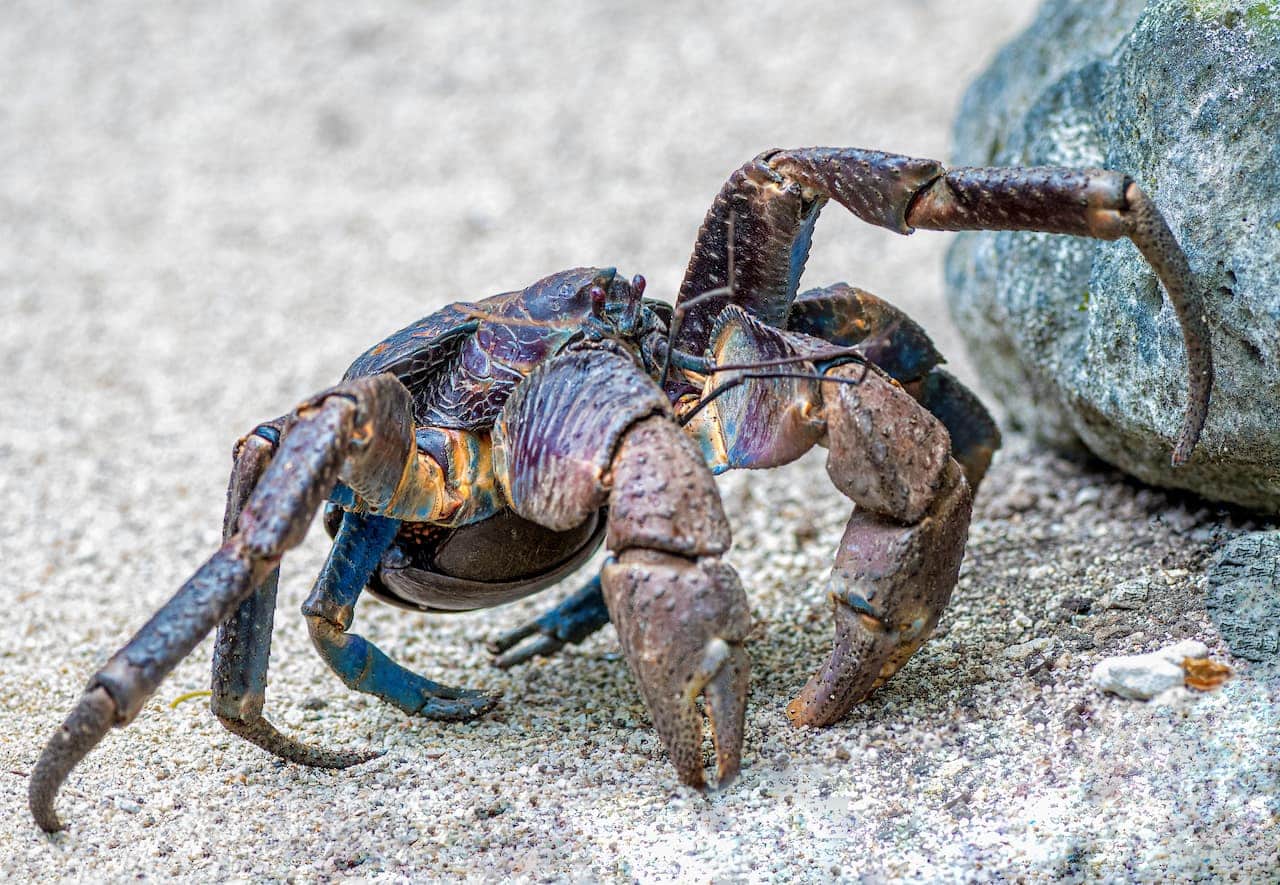
Arthropods
Arthropods: The Incredible Diversity of Phylum Arthropoda Etymology: From the Greek Arthron a joint and Pous for foot. Table of Contents Toggle Arthropods: The Incredible…
Read More » -
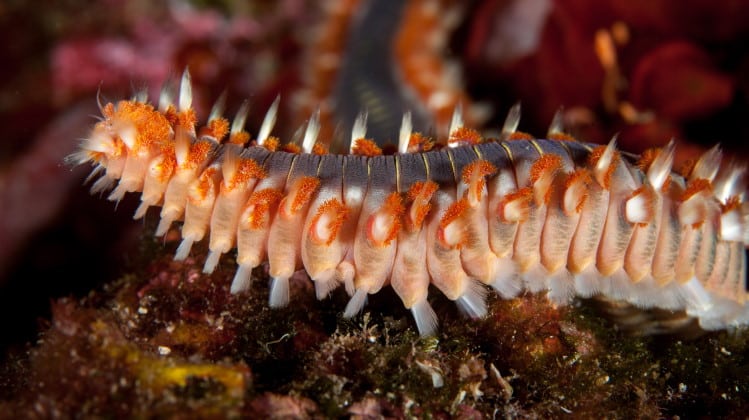
The Polychaeta: Worms, Worms and More Worms
The Polychaeta is the largest and the most diverse of the Annelid groups. Most species are marine, but some have…
Read More » -
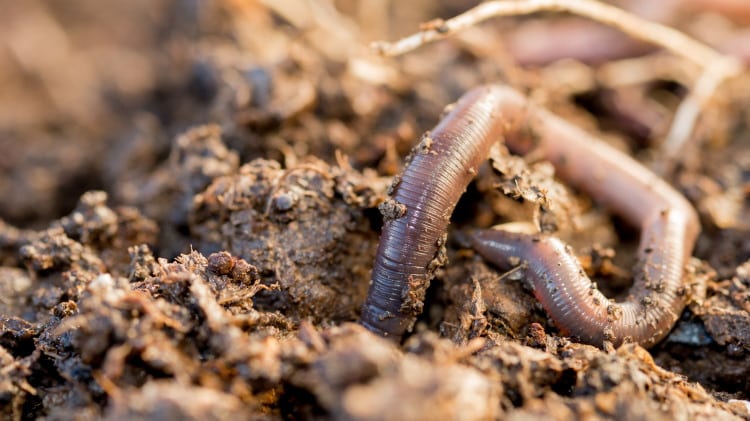
Oligochaeta: The Anatomy & Reproduction Of The Humble Earthworm
The subclass Oligochaeta contains all the animals commonly thought of as ‘earthworms’. Long thin worms with no obvious appendages to…
Read More » -
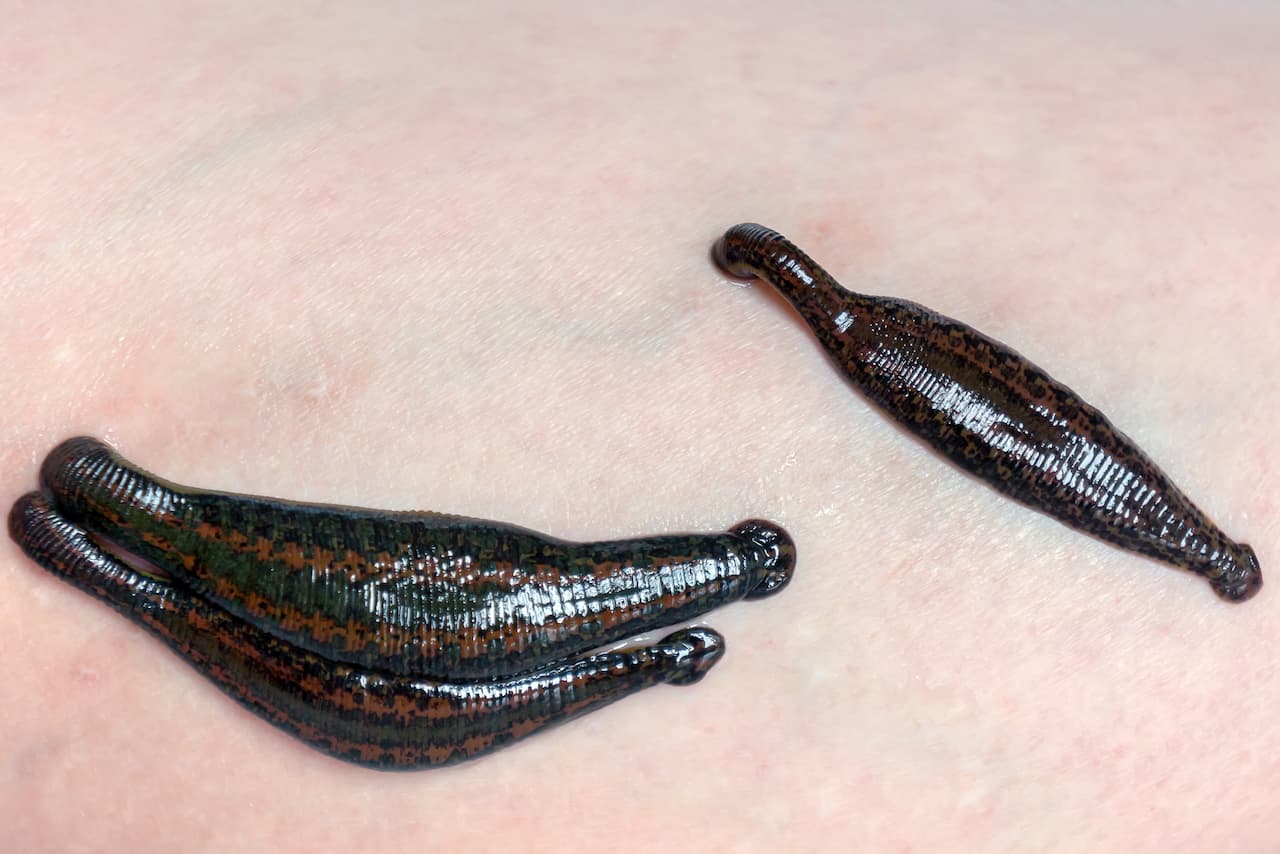
Hirudinea: Order Of Leeches
Hirudinea: Order Of Leeches Leeches, yuck. This is a common response in a world where most people think of leeches…
Read More » -
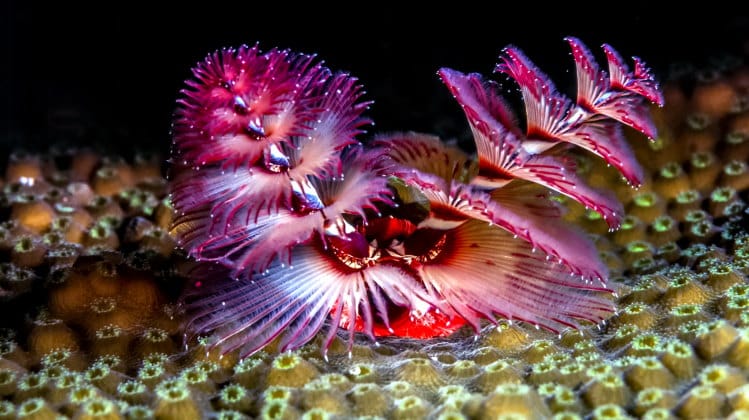
Annelida: The Amazing World of Earthworms & Marine Worms
Etymology of Annelida:- From the Latin Annellus, a little ring. Characteristics of Annelida: Bilaterally symmetrical and vermiform. Body has more than two cell…
Read More » -
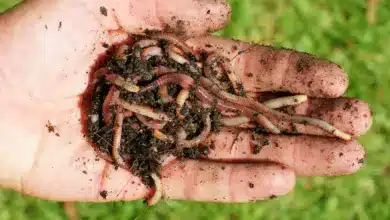
Coeloms and Pseudocoeloms 101: Body Cavities Explained
Understanding the internal organization of animals is fundamental to grasping the incredible diversity of life forms on Earth. One key…
Read More » -
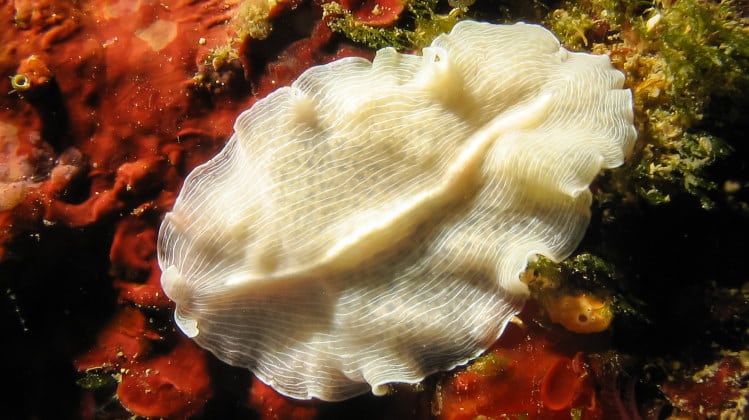
Turbellaria: Tiny, Non-Parasitic Flatworms Including Acoela & Tricladida
The Turbellaria are free living or commensal with larger animals (though it is possible a few species now thought to…
Read More » -
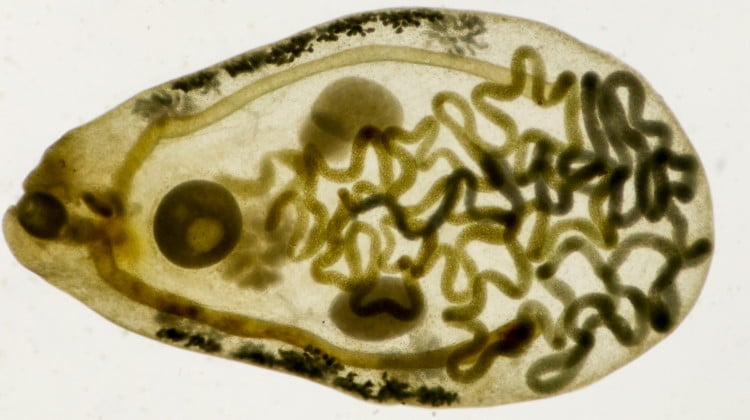
Flukes: Horrors Of The Parasitic Subclass Digenea
The Digenea are a large and successful group of parasites, including the infamous “flukes”. There are about 6,000 species known…
Read More » -
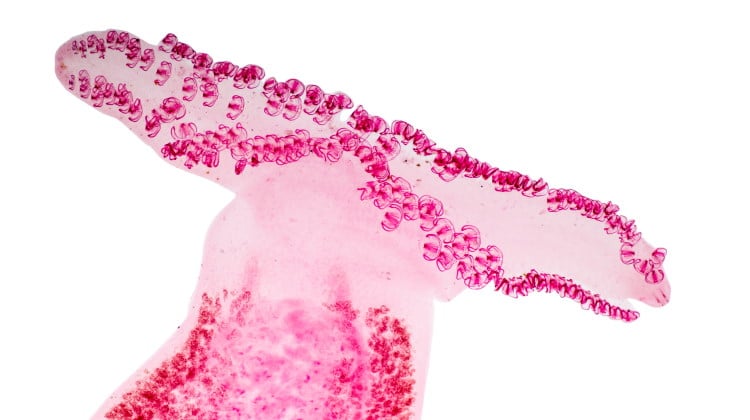
Monogenea: Class of Endoparasites With Multiple Hosts
Monogenea is a fascinating class of parasitic flatworms primarily known for their ectoparasitic lifestyle, meaning they predominantly live on the…
Read More » -
Class Trematoda and Sub-Class Aspidogastrea
The class Trematoda, belonging to the phylum Platyhelminthes, is a fascinating group of parasitic flatworms commonly known as flukes. This…
Read More »