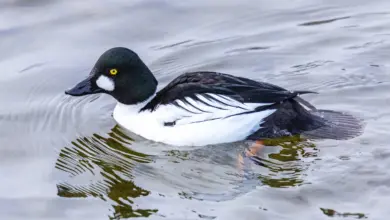
The Call Duck, Anas platyrhynchos domesticus, is a charming and diminutive breed of domesticated duck that has captivated bird enthusiasts and hobbyists worldwide. Known primarily for its small size, lively temperament, and distinctive, high-pitched call, the Call Duck is often kept as a pet or ornamental bird. Though it shares many physical traits with its wild ancestor, the Mallard, this bantam breed has a unique history and characteristics that set it apart. Beyond its decorative appeal, the Call Duck’s story is intertwined with human culture, particularly in hunting and exhibition contexts.
Scientific Classification
The Call Duck is classified as a domestic breed of the Mallard, with the scientific name Anas platyrhynchos domesticus. It falls within the family Anatidae, which includes ducks, geese, and swans. As a domesticated form, it is not recognized as a distinct species but rather as a variety bred selectively for particular traits such as size, vocalization, and coloration. The Mallard (Anas platyrhynchos) is considered the wild ancestor, and the Call Duck’s lineage traces back to this species, albeit heavily modified through centuries of breeding.
The term “bantam” refers to the breed’s small stature, often used in poultry to describe miniature varieties. Call Ducks typically weigh approximately 0.6 to 0.7 kilograms (1.3 to 1.5 pounds), making them significantly smaller than the Mallard, which averages around 1 kilogram (2.2 pounds). Their wingspan ranges between 40 and 50 centimeters (16 to 20 inches), reflecting their compact size.





Geographic Range & Distribution
Though the Call Duck is now found worldwide in both private collections and bird shows, its origins are somewhat enigmatic. The earliest documented references to the breed come from the Netherlands in the 17th century, where it was known as the “Coy Duck” or “Decoy Duck.” This name highlights its historical use as a hunting decoy rather than as a pet. The breed’s loud, high-pitched call was employed to lure wild ducks into traps or shooting ranges, a technique that was particularly effective in European hunting traditions.
Despite the strong Dutch association, many experts believe the Call Duck originally hails from the Far East, possibly Japan or China, although no direct records confirm its introduction to Europe. This theory is supported by the breed’s distinct type, differing markedly from typical European ducks, and the fact that other bantam breeds were imported to the Netherlands by seafaring Dutch traders in the 17th century. The 20th-century aviculturist Van Gink speculated that Dutch captains may have brought the breed back from Japan, where small ducks with similar traits were well established.
The Call Duck reached Britain by the mid-19th century and was one of the first six waterfowl breeds standardized in the UK by 1865. Its popularity waned mid-20th century but was revived through dedicated breeding programs. In North America, the breed gained recognition in the late 19th century, with the Gray and White varieties included in the first American Standard of Perfection in 1874. Today, Call Ducks are common in Europe, North America, and parts of Asia, primarily as exhibition birds and pets rather than working decoys.
Physical Description
The Call Duck is renowned for its compact, plump body and distinctive features. Adults typically measure between 30 and 36 centimeters (12 to 14 inches) in length, making them one of the smallest domesticated duck breeds. Their body shape is rounded and bowl-like, with a wide, rounded head and a short, broad bill that accentuates their diminutive appearance. Legs are short and set well back on the body, aiding in swimming and giving the breed a characteristic waddling gait on land.
One of the breed’s most notable traits is its vocalization. The Call Duck emits a sharp, high-pitched quack that is much louder and more penetrating than that of larger ducks. This trait originally made it invaluable in hunting, where its call was used to attract other ducks.
Coloration varies widely among Call Ducks, with several recognized standard colors including White, Gray, Blue, Buff, Pastel, Khaki, Butterscotch, Chocolate, Snowy, Spot, and Black and White Magpie. Nonstandard colors such as Blue Fawn, Nutmeg, Self Black, Cinnamon, and Crested variants also exist, often favored by breeders aiming to expand the breed’s diversity. The feathers are generally soft and dense, providing insulation and buoyancy.
Behavior & Diet
Call Ducks are energetic and active birds, displaying curious and social behavior. They are known for their friendliness, often bonding with humans and other domestic birds. Despite their size, they possess a surprisingly robust constitution and can be quite vocal, using their distinctive calls to communicate with flock mates or alert owners.
Dietarily, Call Ducks are omnivorous, similar to their wild Mallard ancestors. In natural or semi-natural settings, they forage for a wide variety of food, including aquatic plants, seeds, small fish, insects, and larvae. When kept as pets or exhibition birds, their diet is often supplemented with commercial waterfowl pellets, grains, leafy greens, and occasional protein sources such as mealworms or boiled eggs.
It is important to avoid feeding Call Ducks bread or processed human foods, as these can cause health issues such as malnutrition and digestive problems. Providing a balanced diet is crucial, especially during molting or breeding seasons when nutritional demands increase. According to RSPB, this species is well documented.
Breeding & Reproduction
Call Ducks are prolific breeders, laying between 25 and 75 eggs annually, depending on factors such as diet, environment, and genetics. The eggs are relatively small, typically creamy white in color, and weigh around 40 grams each. Females incubate the eggs for approximately 23 to 28 days before hatching. According to Cornell Lab of Ornithology, this species is well documented.
Breeding Call Ducks usually begin at around 6 months of age, and pairs often form strong bonds during the breeding season. Nesting sites are typically on the ground, hidden within vegetation or provided nesting boxes in captivity. The ducklings are precocial, meaning they hatch with down feathers and are relatively mature, capable of swimming and feeding themselves within hours.
Selective breeding has produced a variety of color morphs and slight variations in size, but the breed retains its characteristic vocalization and compact body shape. Responsible breeders focus on maintaining breed standards while ensuring the health and vitality of the birds.
Conservation Status
As a domesticated breed, the Call Duck is not evaluated by the International Union for Conservation of Nature (IUCN) and therefore does not have a formal conservation status. However, like many heritage poultry breeds, it has experienced fluctuations in popularity over the centuries. Mid-20th century declines in breeding threatened the breed’s viability, but dedicated efforts by poultry enthusiasts and waterfowl societies have ensured its survival and current popularity.
Today, Call Ducks are widely available in the pet trade and among waterfowl exhibitors, helping to maintain genetic diversity and public awareness of the breed. Their continued survival depends largely on hobbyists, breeders, and conservation programs that value heritage breeds. Maintaining healthy populations and preventing inbreeding remain priorities among responsible breeders.
Interesting Facts
The Call Duck’s high-pitched call is its namesake and primary distinguishing feature. Historically, hunters tethered these small ducks near wild duck habitats to act as living decoys, exploiting their loud calls to draw wild ducks closer for easier capture or shooting. This practical use contrasts with the contemporary role of Call Ducks as pets and show birds.
Despite their tiny size, Call Ducks are surprisingly hardy and adapt well to a variety of climates, provided they have adequate shelter and water. Their lively nature and vocal tendencies make them popular with birdwatchers and photographers seeking charming subjects.
Another point of interest is the Call Duck’s role in the development of other bantam duck breeds. Breeders have used Call Ducks to introduce compact size and distinctive calls into new varieties, making them foundational in the world of ornamental waterfowl breeding.
Additionally, the breed’s long history—potentially dating back several centuries—illustrates the complex relationship between humans and domesticated animals, where utility, aesthetics, and companionship intertwine.
Conclusion
The Call Duck is a fascinating example of domestication and selective breeding that combines practical utility with ornamental appeal. Its small size, loud call, and vibrant array of colors have made it a favorite among waterfowl enthusiasts, hunters of the past, and modern-day pet owners alike. Though its origins remain partly shrouded in mystery, its role as a decoy, pet, and exhibition bird is well documented. Understanding the Call Duck’s biology, behavior, and history enriches our appreciation for this spirited little duck and highlights the importance of preserving such unique domesticated breeds for future generations.