Overview and Introduction
Bustards are a fascinating group of large terrestrial birds known for their impressive size, strength, and adaptability to some of the world’s driest and most open landscapes. Belonging to the family Otididae, bustards are primarily native to the Old World, encompassing regions across Europe, Asia, and Africa. These birds have evolved to thrive in dry open country, steppes, grasslands, and semi-desert areas, where their cryptic coloration and ground-dwelling habits help them survive and avoid predators.
With a diverse range of species, bustards are among the heaviest flying birds. They play significant roles in their ecosystems, and many species have distinctive behaviors and adaptations that make them unique. This comprehensive article delves into their physical characteristics, behavior, habitat, diet, reproduction, ecological importance, conservation status, and some intriguing facts about these remarkable birds.
Physical Characteristics
Bustards are known for their robust build and strong legs, which are well-adapted for terrestrial life. They possess large, muscular bodies with long necks and relatively small heads. Their feet feature big toes that aid in walking on uneven terrain, allowing them to traverse open grasslands and steppes with ease.


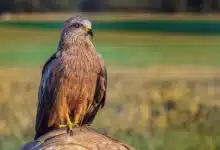
One of the most striking features of bustards is their broad, long wings equipped with “fingered” wingtips—primary feathers that separate like fingers during flight, providing enhanced maneuverability and lift. Despite their large size, these birds are strong fliers, capable of covering long distances, especially during migration.
The plumage of bustards is generally cryptic, blending earth tones such as browns, grays, and creams. This camouflage helps them remain inconspicuous while nesting and foraging on the ground. Some species exhibit sexual dimorphism, where males are larger and often more brightly colored or adorned during the breeding season to attract females.
Among the bustard family, the Great Bustard (Otis tarda) is notable for being one of the heaviest flying birds, with males weighing up to 18 kilograms (40 pounds) or more. The Kori Bustard (Ardeotis kori) of Africa is similarly large and impressive, often considered the heaviest flying bird in Africa.
Behavior
Bustards are generally shy and elusive birds, spending much of their time foraging quietly on the ground. They are mostly solitary or found in small groups, although some species may gather in flocks during non-breeding seasons or migration.
One of the most remarkable behaviors of bustards is their elaborate courtship displays. Males perform visually striking and often loud displays to attract females. For example, the Lesser Florican (Sypheotides indica) male jumps high into the air above the grass level, making a distinctive booming or croaking sound. The Great Bustard’s display involves inflating throat sacs and puffing out feathers to appear larger and more impressive.
Bustards are ground-nesting birds and rely on their camouflage and quiet behavior to protect their nests and young from predators. They tend to remain motionless when threatened, blending seamlessly with their surroundings.
Habitat and Distribution
Bustards are predominantly inhabitants of dry open landscapes such as grasslands, savannas, steppes, semi-deserts, and agricultural fields. They avoid dense forests and wetlands, preferring wide expanses that offer visibility and space for their terrestrial lifestyle.
Their distribution spans a broad geographic range across the Old World:
- Europe: The Great Bustard is found across parts of Spain, Portugal, Hungary, and other central and eastern European countries.
- Africa: Species like the Kori Bustard, Denham’s Bustard (Neotis denhami), and Black-bellied Bustard (Lissotis melanogaster) inhabit sub-Saharan savannas and dry grasslands.
- Asia: The Great Indian Bustard (Ardeotis nigriceps) is native to the Indian subcontinent, primarily inhabiting arid regions and grasslands. The Houbara Bustard (Chlamydotis undulata) ranges across North Africa and parts of the Middle East.
- Australia: The Australian Bustard (Ardeotis australis), also called the Plains Turkey, is widespread in arid and semi-arid regions of the continent.
Many bustard species show seasonal movements or localized migrations in response to rainfall, food availability, or breeding requirements.
Diet and Feeding
Bustards are omnivorous opportunists, feeding on a wide range of plant and animal matter. Their diet typically includes:
- Seeds, berries, and various plant shoots
- Insects such as grasshoppers, beetles, and ants
- Small vertebrates including lizards, rodents, and birds
- Occasionally, carrion or eggs
They use their strong beaks to pick food items from the ground or vegetation. Their omnivorous diet allows them to adapt to seasonal changes in food availability, making them resilient in harsh environments.
Foraging bustards often walk slowly across the landscape, using their keen eyesight to spot prey or edible vegetation. Their diet plays an important role in controlling insect populations and dispersing seeds, contributing to ecosystem health.
Reproduction
Bustards reproduce via ground nests, typically shallow scrapes lined with grass or leaves. Females usually lay between one and three eggs per clutch, depending on the species. The eggs are well-camouflaged with mottled patterns to blend with the surrounding ground.
After laying, the female incubates the eggs alone, with incubation periods ranging from 23 to 30 days. The chicks hatch precocial, meaning they are relatively mature and mobile shortly after birth, able to leave the nest and follow their mother to feed.
Breeding seasons vary by species and region, often timed to coincide with periods of abundant food and favorable weather. Males are polygynous in many species, mating with multiple females during a breeding season.
In some species, males do not participate in chick rearing, focusing instead on defending territories and attracting additional mates. The survival of young bustards depends largely on their ability to avoid predation, as ground nests and chicks are vulnerable to predators such as foxes, snakes, and large birds of prey.
Ecological Role
Bustards occupy an important niche in the ecosystems of dry open landscapes. As omnivores, they help regulate insect populations, which can benefit vegetation by reducing herbivorous insect damage. Their seed consumption and subsequent dispersal contribute to plant community dynamics and diversity.
Moreover, bustards serve as prey for larger predators, supporting food webs in grassland and steppe habitats. Their presence often indicates a healthy ecosystem with sufficient open space and biodiversity.
In some cultures, bustards have cultural and symbolic significance, reflecting their prominence in the natural heritage of the regions they inhabit.
Conservation Status
Several bustard species face significant conservation challenges due to habitat loss, hunting, and human disturbance. Agricultural expansion, infrastructure development, and land-use changes have led to declines in suitable habitat for many bustards, particularly grassland specialists.
The Great Indian Bustard (Ardeotis nigriceps) is classified as Critically Endangered by the International Union for Conservation of Nature (IUCN). Its population has plummeted due to habitat degradation and collisions with power lines. Conservation efforts include habitat protection, community engagement, and mitigating threats such as electrocution.
The Lesser Florican (Sypheotides indica) is also endangered, primarily because of grassland loss in South Asia caused by intensive agriculture and urbanization.
Other species, such as the Great Bustard and Kori Bustard, have more stable populations but still require ongoing habitat conservation and protection from hunting and disturbance.
Conservation organizations work globally to monitor bustard populations, protect critical habitats, and raise awareness about these unique birds.
Interesting Facts
- Largest Flying Birds: The Great Bustard and Kori Bustard rank among the heaviest flying birds in the world, with males reaching weights comparable to some large birds of prey.
- Elaborate Displays: Male bustards are known for their spectacular courtship rituals, which can include inflating throat sacs, puffing feathers, and dramatic jumps or runs to attract mates.
- Long Life Span: Bustards can live up to 20 years or more in the wild, although lifespan varies by species and environmental conditions.
- Unique Flight Adaptations: Despite their heavy bodies, bustards are strong fliers with specialized wing feathers that enhance flight efficiency.
- Symbolism: In some cultures, bustards symbolize grace and freedom, and they have been subjects of folklore and traditional hunts.
- Australian Bustard: Also known as the Plains Turkey, this species is one of the most widespread bustards and is culturally significant to many Indigenous Australian communities.