Brazilian Duck (Amazonetta Brasiliensis) is an elegant and fascinating species of duck that originates from South America. The Brazilian Duck is a beautiful duck with a gentle charm. It’s not as flamboyant or loud as some of its cousins. This species, with its soft, brown plumage and graceful movements and mild disposition, has found a niche in the ecosystems of central and eastern South America. The Brazilian Duck is more than a pretty bird. It plays an important role in wetland ecosystems.
South American Native. Range and distribution.
The Brazilian duck’s range covers a large area of Eastern South America. This includes countries like Uruguay and northern and eastern Argentina. It also includes eastern Bolivia, central Venezuela and Suriname. The ducks prefer freshwater habitats such as lakes, marshes and rivers. They are usually surrounded by dense foliage. The ducks tend to avoid coastal areas, instead preferring the protected and vegetated freshwater habitat, which offers both food and shelter.
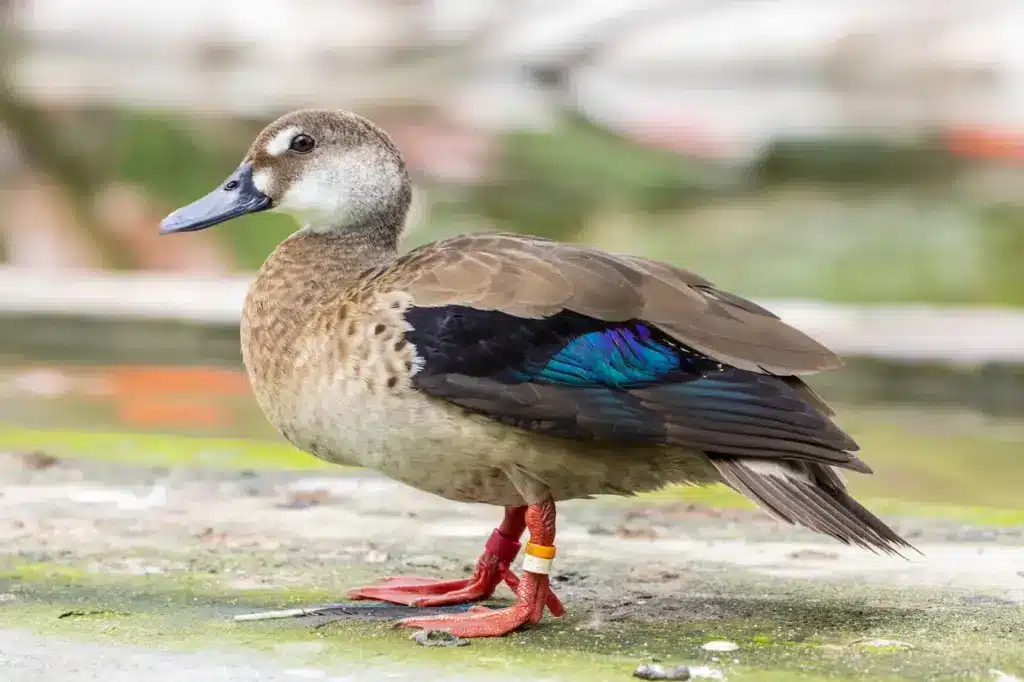
The Brazilian Duck has two subspecies that are recognised:
- A. Brasiliensis brasiliensis is a nominate subspecies found in Brazil, Suriname and Guyana. It can also be found in central Venezuela, eastern Colombia and northeastern Peru.
- A. Brasiliensis Ipecutiri: This subspecies can be found in southern Brazil, northern Argentina and eastern Bolivia. It is also found in Uruguay and Paraguay.
The Brazilian Duck’s wide distribution is a reflection of its adaptability and its preference for untouched freshwater bodies. The Brazilian Duck is often observed in pairs or small flocks. They rarely exceed groups of twenty. This creates a peaceful dynamic as compared to boisterous gatherings by other duck species.
Description and identification: Subtle beauty in brown
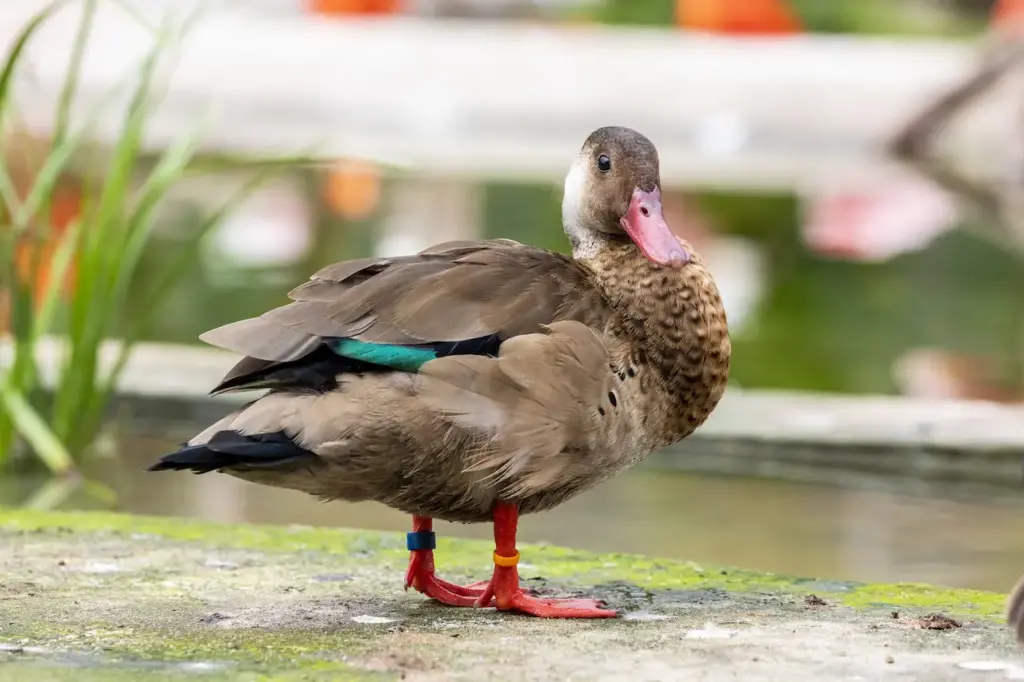
The feathers of the Brazilian Duck are primarily a light to medium brown. This may look plain, but it is actually very detailed. This subtle colouration provides excellent camouflage in the dense vegetation and muddy banks of their preferred habitats.
males or drakes are characterised by their brightly colored beaks and limbs. This distinguishes them from the women whose limbs have a more subdued colour. The pale grey patch is also a distinctive feature of males. It can be seen on the side of the neck and head. The birds’ eyes are usually dark and framed by soft feather tones, giving them a calm, intelligent appearance.
Brazilian Ducks have a subtle but significant sexual differentiation, which allows experienced birders and scientists to differentiate between the sexes. This species’ relatively simple colouring makes it stand out from the boldly patterned and iridescent ducks. It represents the elegant understatement of South America’s wetland wildlife.
The calm and family-oriented behaviour of the people.
Brazilian Ducks are well-known for their calm and nonaggressive behaviours. This is in line with their preference for isolated freshwater environments. During the breeding season, they become very cooperative parents. The female and the male both participate in rearing the ducklings. This is unusual in the world of ducks, where maternal care tends to be more common.
Brazilian Ducks are not as noisy or large in flocks during the non-breeding season. This social modesty is a reflection of their peaceful lifestyle. They place more emphasis on territorial loyalty and strong pair bonds than on social hierarchy or dominance.
They are also diurnal in their behaviour, which means they are most active during the day. They are easier to see than species that are nocturnal and crepuscular, but they can retreat into dense aquatic vegetation if disturbed. According to Cornell Lab of Ornithology, this species is well documented.

Natural Foragers: Diet and feeding
Brazilian Ducks are dabbling Ducks. They feed mainly by skimming the surface of water or tipping their heads forward to reach submerged plants and insects. The diet of Brazilian Ducks is highly varied. It consists primarily of fruits, seeds, aquatic roots and insects. It is important to maintain a healthy population by ensuring that their habitat contains a variety of plants and invertebrates. According to eBird, this species is well documented.
While adults eat a mixture of animal and plant matter, ducklings eat only insects. This provides the high-content protein needed for rapid growth. In the early stages, this insectivorous food plays a vital role in their development and survival. This highlights the importance of wetland health and insect biodiversity.
Brazilian Ducks are rarely a cause of environmental disturbances due to their gentle eating habits. They contribute to the eco-balance instead by controlling insect populations and dispersing aquatic plant seeds.
What you need to know about feeding ducks responsibly
It’s a popular pastime to feed ducks, but it is important to know what’s safe and healthy. Bread, crackers or processed human food are inadequate in nutrition and can lead to a variety of health issues, including angel wing, malnutrition and an over-reliance on people.
Feeding ducks is not always allowed in some places. Check local laws before feeding wild birds.
You can choose nutrient-rich natural foods to help Brazilian Ducks in colder months and times of scarcity.
- Cracked corn
- Birdseed mixes
- Chopped greens (e.g., lettuce, kale, spinach)
- Oats, grains
- Insect larvae (like mealworms)
Feeding birds should be done responsibly and sparingly. Nesting areas are best avoided. Always keep the health of your bird and its ecosystem in mind.
Breeding and Reproduction – Cooperative Parenting
Brazilian Ducks breed in a variety of wetland habitats. They are also known for their unique parenting. It is built into the ground or among dense foliage. Reeds and water are also common places to find the nest. It is lined with down feathers that the female plucks from her breast.
Both parents take part in care and incubation. After the incubation period of approximately 25 to 28 days is over, the precocial Ducklings are ready to hatch and follow their parents. The whole family stays together for a few weeks to teach the ducklings how to swim, forage and identify potential threats.
This is a relatively uncommon level of parental care among ducks, and it speaks to the strong pair bond and collaborative nature in this species.
Conservation Status and Threats
IUCN currently lists the Brazilian Duck as being of Least Concern, meaning that it is not considered globally endangered. This does not mean that the species is safe. The main threats that Brazilian Ducks face include:
- Wetland Drainage for Agriculture and Urban Development
- Pollution in freshwater ecosystems
- Deforestation is especially common near waterbodies
- Hunting in certain regions
The habitat of the Brazilian Duck becomes more vulnerable as wetlands diminish and freshwater resources are polluted. It is vital to maintain healthy populations so that clean and vegetated water sources are preserved. Conservationists encourage continued habitat protection and education of the community in order to prevent this species from sliding into a more vulnerable conservation status.
Brazilian Ducks and Ecosystems
Brazilian Ducks serve an important ecological function. They aren’t just beautiful and gentle waterfowl. They are important in maintaining the delicate equilibrium of wetland ecosystems. They are a good indicator of ecosystems as they depend on clean water and healthy plants.
The Brazilian Duck is a symbol for birdwatchers, ecologists and nature enthusiasts. It represents balance, peace and natural harmony. This species continues to enrich South America’s landscapes in subtle but powerful ways.
Last Thoughts on a Quiet Wonder in South America
The Brazilian Duck is a graceful, calm bird that moves from the Amazon Basin to the Uruguayan wetlands with quiet significance. Its calm temperament and family-oriented behaviours represent the beauty and resilience of South America’s freshwater ecologies. While it is often overlooked by more prestigious species
The Brazilian Duck is a flamboyant, elegant species that combines elegance with ecological importance.
The Brazilian Duck is a reminder that even the most quiet creatures deserve to be protected and given our attention. The Brazilian Duck, whether seen paddling across a calm lake or guiding ducklings in the reeds, is a testimony to the peaceful wonders of nature.