The Sunda Scops Owl (Otus silvicola), also known as Wallace’s Scops Owl, is a captivating species of small owl endemic to the Lesser Sunda Islands of Indonesia. This elusive bird is primarily found on the islands of Sumbawa and Flores, where it inhabits a variety of forested environments. Despite its relatively restricted range, the Sunda Scops Owl remains an important part of the region’s nocturnal avifauna. Its subtle coloration, distinctive vocalizations, and discreet habits make it a fascinating subject for birdwatchers and ornithologists alike. This article explores the taxonomy, physical characteristics, behavior, and conservation status of this intriguing owl species.
Scientific Classification
The Sunda Scops Owl belongs to the genus Otus, which encompasses a diverse group commonly known as scops owls. Its scientific name is Otus silvicola, with the species name “silvicola” meaning “forest dweller,” an apt description of its preferred habitat. The species was first described in 1897 by the British ornithologist Alfred Russel Wallace, whose name is often associated with this owl’s alternate common name, Wallace’s Scops Owl. Within the family Strigidae, scops owls are distinguished by their small size, ear tufts, and cryptic plumage. The Sunda Scops Owl is part of a complex group of scops owls found throughout Southeast Asia and the Indonesian archipelago, many of which exhibit subtle differences in vocalizations and plumage that are important for species identification.
Geographic Range & Distribution
The Sunda Scops Owl is endemic to Indonesia’s Lesser Sunda Islands, specifically the islands of Sumbawa and Flores. This region is characterized by a tropical climate and a mosaic of habitats ranging from lowland to montane forests. The owl primarily inhabits semi-evergreen forests, forest edges, and submontane forests, often in areas where bamboo thickets are present. Its elevational range extends from approximately 350 to 1,600 meters (1,150 to 5,250 feet) above sea level, where it finds suitable roosting and hunting grounds. While its core habitat is forested, the owl is also occasionally observed in secondary growth, agricultural landscapes, and even urban areas, demonstrating some adaptability to human-altered environments. Despite its localized range, the species is considered relatively common within suitable habitats, although its overall distribution remains patchy due to habitat fragmentation and island geography.






Physical Description
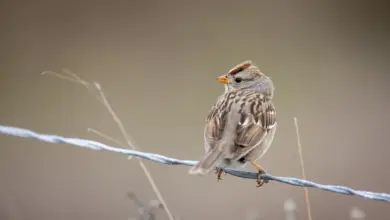
The Sunda Scops Owl is a small owl species, measuring about 23 to 25 centimeters (9 to 10 inches) in length, with an estimated wingspan of approximately 50 to 60 centimeters (20 to 24 inches). Adult individuals typically weigh between 100 and 150 grams (3.5 to 5.3 ounces). This owl’s plumage is predominantly brown with a mottled pattern that provides excellent camouflage against tree bark and forest foliage. The upperparts feature various shades of brown with darker streaks and spots, helping it blend seamlessly into its environment. Its facial disk is tan with pale eyebrows that accentuate its large, expressive orange eyes. The short ear tufts, characteristic of scops owls, are brown with buff-colored edges, which may be raised when the bird is alert. The underparts are whitish with dark streaks across the chest, and the chin area is distinctly white. The wings display buff tones with whitish tips, adding subtle contrast to the overall plumage. This coloration not only aids in concealment during the day but also facilitates stealth while hunting at night.
Behavior & Diet
The Sunda Scops Owl is primarily nocturnal, becoming active at dusk and throughout the night. During daylight hours, it roosts quietly in dense foliage or among bamboo thickets, relying on its cryptic plumage to avoid detection by predators. Its call is an important behavioral trait, consisting of a series of soft, repetitive hoots that can carry through the forest understory and are often used to establish territory or communicate with mates. Like other scops owls, the Sunda Scops Owl is a solitary hunter, relying on acute hearing and vision to locate prey in low light conditions. Its diet mainly consists of insects, including beetles, moths, crickets, and grasshoppers, which it captures using its sharp talons. It may also occasionally consume small reptiles, amphibians, or small mammals when available. The owl hunts from perches, swooping down silently to snatch prey from the ground or foliage. Its hunting strategy and diet play a crucial role in maintaining the ecological balance by controlling insect populations within its habitat. According to BirdLife International, this species is well documented.
Breeding & Reproduction
Little detailed information is available specifically about the breeding behavior of the Sunda Scops Owl, largely due to its secretive nature and the remote, rugged terrain it inhabits. However, like other members of the Otus genus, it is likely to nest in tree cavities or similar sheltered sites. The breeding season probably coincides with the rainy season when food resources are most abundant, as is common among tropical owls. Females typically lay two to three eggs, which they incubate for approximately 24 to 28 days. During this period, males provide food to the incubating female and later to the chicks. After hatching, the chicks remain in the nest for several weeks, gradually developing the ability to fly and hunt independently. Parental care is intensive during this time, with both adults involved in feeding and protecting the young. The reproductive success of the Sunda Scops Owl is closely tied to the availability of suitable nesting sites and an abundant prey base, both of which can be threatened by habitat loss. According to eBird, this species is well documented.
Conservation Status
The Sunda Scops Owl is currently classified as Least Concern by the International Union for Conservation of Nature (IUCN), reflecting its relatively stable population within its limited range. However, this status should not lead to complacency, as the species faces ongoing threats from habitat destruction due to logging, agricultural expansion, and human development. The forests of Sumbawa and Flores have experienced significant fragmentation in recent decades, which can isolate populations and reduce genetic diversity. Additionally, the owl’s reliance on forest habitats with bamboo thickets makes it vulnerable to habitat alteration. Conservation efforts for the Sunda Scops Owl benefit from broader initiatives aimed at preserving Indonesia’s unique island ecosystems and promoting sustainable land use. Continued monitoring of population trends and habitat quality is essential to ensure this species remains a thriving component of the Lesser Sunda Islands’ biodiversity.
Interesting Facts
The Sunda Scops Owl is sometimes confused with other scops owls in the region due to the subtle differences in their appearance and calls. Its orange eyes are a distinctive feature that sets it apart from many related species, which often have yellow or dark eyes. The owl’s vocalizations are not only important for communication but also provide birdwatchers with one of the best chances to detect these otherwise elusive birds in dense forest. Unlike some owl species that migrate or undertake seasonal movements, the Sunda Scops Owl is largely resident, staying within its island range year-round. Its ability to adapt to secondary habitats, including agricultural landscapes, suggests a degree of ecological flexibility, although the long-term impacts of these changes remain uncertain. Finally, the bird’s namesake, Alfred Russel Wallace, was a pioneering naturalist whose observations in the Malay Archipelago helped lay the foundation for biogeography, making the owl a fitting tribute to his legacy.
In conclusion, the Sunda Scops Owl (Otus silvicola) is a remarkable species emblematic of the rich and unique biodiversity found on Indonesia’s Lesser Sunda Islands. Its subtle beauty, nocturnal habits, and role within its ecosystem highlight the importance of conserving island forest habitats. For nature enthusiasts and birdwatchers venturing into the forests of Sumbawa and Flores, encountering this small but charismatic owl offers a glimpse into the intricate web of life that thrives in tropical environments. Ongoing research and conservation efforts will help ensure that the Sunda Scops Owl continues to thrive in its native habitat for generations to come.