The **Antillean Nighthawk** is a remarkable nocturnal bird that often goes unnoticed despite its intriguing habits and exceptional camouflage. Found throughout the Caribbean, including Cuba, this species captivates birdwatchers and nature enthusiasts with its elusive presence and aerial insect hunting. Known scientifically as Chordeiles gundlachii, the Antillean Nighthawk is a member of the nightjar family, a group renowned for their cryptic plumage and nocturnal lifestyles. In Cuba, where diverse habitats support a variety of wildlife, the Antillean Nighthawk plays an important role in controlling insect populations and contributes to the vibrant biodiversity of the region.
Scientific Classification
The Antillean Nighthawk belongs to the family Caprimulgidae, commonly referred to as nightjars. Its scientific name is Chordeiles gundlachii, named in honor of Cuban naturalist Juan Gundlach. Within the genus Chordeiles, it is closely related to other nighthawk species such as the Common Nighthawk (Chordeiles minor) found in North America. The species was first described by the German ornithologist Jean Cabanis in 1861. Nightjars, including the Antillean Nighthawk, are often colloquially called “goatsuckers” due to an old myth that these birds suck milk from goats, a notion that has long since been debunked. Instead, these birds are insectivores that feed on flying insects during twilight and night hours.
Geographic Range & Distribution
The **Antillean Nighthawk** is endemic to the Caribbean, with a range that includes Cuba, Hispaniola (Haiti and the Dominican Republic), Jamaica, Puerto Rico, and the Bahamas. In Cuba, the species is widespread and commonly observed in lowland tropical forests, savannas, coastal plains, and even urban areas where suitable nesting sites are available. It often frequents open areas with gravel or bare ground, which are preferred for nesting. The bird’s range also extends to smaller satellite islands throughout the Caribbean, adapting well to different island habitats. This distribution reflects its preference for warm tropical climates and its dependence on insect prey that thrives in such environments. Migration within the Caribbean is minimal, although some local movements occur depending on food availability and breeding cycles.


Physical Description
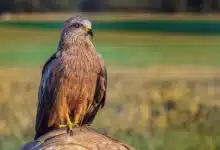
The Antillean Nighthawk is a medium-sized nightjar, measuring approximately 23 to 26 centimeters (9 to 10 inches) in length, with a wingspan ranging from 50 to 61 centimeters (20 to 24 inches). It weighs roughly 55 to 75 grams (about 2 to 2.6 ounces). Its plumage is a mottled blend of browns, grays, and whites, providing excellent camouflage against the rocky or leaf-littered ground where it rests during the day. The upperparts are primarily dark brown with intricate patterns of light and dark streaks, while the underparts are paler with white patches on the throat and wings. One distinctive feature is the white bar across the wings visible during flight, which helps differentiate it from other nightjar species. The bird’s large eyes are adapted for low-light vision, and its wide, hooked bill aids in catching flying insects. Despite its relatively plain appearance, the Antillean Nighthawk’s coloration is a masterpiece of natural concealment.
Behavior & Diet
Primarily nocturnal, the Antillean Nighthawk is most active during dusk and dawn, engaging in its characteristic aerial hunting. It feeds almost exclusively on flying insects, such as moths, beetles, and large flies, using its agile flight and wide gape to capture prey mid-air. During the day, it remains motionless, relying on its camouflage to avoid predators. Unlike many birds, Antillean Nighthawks do not build traditional nests. Instead, they lay their eggs directly on bare ground, gravel, or rocky surfaces, often in open or semi-open areas. When disturbed, they produce a distinctive barking or churring call, which serves both to communicate with mates and to ward off potential threats. Their flight is swift and erratic, enabling them to maneuver through dense insect swarms efficiently. This species plays a vital ecological role by controlling insect populations, particularly nocturnal pests, contributing to the health of their habitats.
Breeding & Reproduction
Breeding season for the Antillean Nighthawk in Cuba typically occurs from April through July, coinciding with the onset of the rainy season when insect abundance peaks. The species does not build a nest but instead lays a single egg directly on the ground, often among gravel or leaf litter, where it is nearly invisible due to the bird’s cryptic plumage and choice of nesting site. Both male and female take turns incubating the egg, which generally hatches after about 20 to 22 days. The chick is precocial, meaning it is relatively mature and mobile shortly after hatching but remains dependent on parental care for warmth and feeding. Parents feed the young by capturing insects in flight and regurgitating food. Remarkably, the adults exhibit strong territorial behavior during nesting, using vocalizations and distraction displays to protect their vulnerable eggs and chicks from predators. Nesting near human activity, as reported in places like Guantanamo Bay, shows the species’ adaptability but also the need for awareness to avoid disturbing these sensitive birds. According to Cornell Lab of Ornithology, this species is well documented.
Conservation Status
The International Union for Conservation of Nature (IUCN) currently lists the Antillean Nighthawk as a species of Least Concern. Despite its relatively broad range across the Caribbean islands, localized threats exist, particularly habitat loss caused by urbanization, deforestation, and agricultural expansion. In Cuba, where much of the natural habitat remains intact, the species appears stable, although ongoing monitoring is essential. Because the Antillean Nighthawk nests on the ground, it is vulnerable to predation by introduced mammals such as cats and rats, as well as human disturbance. Conservation efforts focus on preserving natural habitats, especially open spaces with suitable nesting substrates, and educating local populations about the importance of leaving nesting sites undisturbed. The bird’s adaptability to urban areas suggests resilience, but maintaining healthy ecosystems is crucial for its long-term survival. According to Audubon Society, this species is well documented.
Interesting Facts
The Antillean Nighthawk’s nickname, “goatsucker,” stems from an ancient myth that these birds suck milk from goats and other livestock under the cover of darkness. This misconception likely arose because of the bird’s nocturnal habits and silent flight. In reality, they feed solely on insects, playing a beneficial role in reducing pest populations. Another fascinating trait is their remarkable camouflage; when roosting during the day, they align their bodies along branches or lay flat against the ground to minimize shadows and blend seamlessly into their surroundings. This cryptic behavior makes them extremely difficult to spot, even for experienced birdwatchers. Additionally, their vocalizations are unique — described as a soft, repetitive “caw” or barking sound that can be heard during the breeding season. The Antillean Nighthawk is also known for its aerial courtship displays, which include impressive flight maneuvers and vocal calls to attract mates. Photographers and naturalists often find spotting and documenting these birds both challenging and rewarding due to their elusive nature and excellent camouflage.
Observations from locations such as Guantanamo Bay in Cuba highlight the Antillean Nighthawk’s ability to coexist with human activity when given a safe environment. Stories of birds nesting near walkways and remaining undisturbed by passersby underscore the importance of awareness and respect for wildlife, even in urban or military zones. Protecting these birds contributes not only to preserving biodiversity but also to maintaining ecological balance through natural insect control.
In conclusion, the Antillean Nighthawk is a fascinating and vital member of Cuba’s avian community. Its unique adaptations, including superb camouflage, nocturnal insectivory, and ground nesting, make it a species worthy of study and protection. Through continued research and conservation, this enigmatic bird will remain a silent guardian of the Caribbean night skies for generations to come.