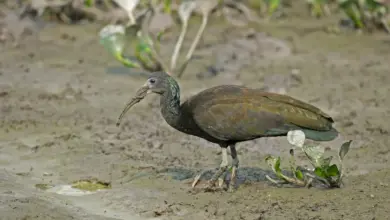
The African Rail is a small, fascinating wetland bird that inhabits marshes, reedbeds and densely-vegetated freshwater habitats in eastern and southern Africa. The African Rail, despite its shyness, is an important part of the ecosystem in wetlands. This bird, which is flattened on the side and has a compact shape, is well adapted to living among reeds. It can easily blend in with the dense vegetation of its wetland habitat. The African Rail is a species that’s a little more visible than other rails, especially in the early morning and during the non-breeding season. This makes it an interesting choice for naturalists and birdwatchers who love exploring marshy terrain. Understanding species such as the African Rail is crucial to conservation and appreciation of wetlands’ biodiversity. Wetlands are under increasing pressure due to climate change and development.
Range and Distribution: From Ethiopia to South Africa
The African Rail can be found in eastern and southern Africa. It occupies a large territory, stretching from Ethiopia’s wetlands south to Kenya, Tanzania and Mozambique. The species can adapt to a wide range of wetlands, as long as they provide dense vegetation and shallow water. Many populations live year-round, but others move seasonally based on rainfall patterns and the changing availability of wetlands. African Rails will move to more stable habitats in regions with a dramatic change in water availability between the dry and wet seasons. These movements are not true long-distance migrants, but localised dispersals which allow the species to track appropriate wetland conditions. African Rails can survive in environments that change quickly due to their ability to move opportunistically.

Preferred Habitat: Life among Reeds, Marshes and Wet Grasslands
African Rails are specialists in habitats that include freshwater marshes and reedbeds. They also thrive in areas with dense grasses near shallow water. They prefer environments that are abundant in invertebrate species, which provide ample feeding opportunities and cover. The marsh vegetation, especially bulrushes and reed stands, supports the unique shape of the bird, which is compressed laterally to allow it to slip between densely packed stems. This adaptation is vital to the life they lead, which is mostly hidden from predators. African Rails prefer habitats that have permanent or semi-permanent bodies of water. However, they will also use floodplains and seasonally inundated areas if the vegetation is dense. African Rails are less visible than other waterbirds, which prefer open water. They stay near the edges of concealed areas, and only vocalise when they need to feed or emerge briefly. The bird’s preference for dense vegetation has both benefits and drawbacks. While it provides safety, it also makes it dependent on the health of wetland plants, which are susceptible to degradation due to drainage, overgrazing or agricultural expansion.


Physical Description: Subtle Beauty Adapted for Wetland Life
The African Rail measures approximately 28-30cm in length. The African Rail is characterised by a unique mix of colours and patterning that makes it both attractive as well as perfectly camouflaged. The adults have warm brown upperparts which blend in with the dried reeds and striking blue-grey lowerparts. These contrast beautifully when seen under good light. The black and white barring along the flanks, undertail, and rump is one of the most distinctive features. This adaptation is common among rails to help break up the outline of the bird when seen through foliage. It is unique in the genus Rallus because it has a plain back, which helps to distinguish it from other species. The long toes of the bird help it walk over soft mud or floating vegetation. Its long, thin, dull reddish-brown bill is perfect for probing shallow water and mud. The African Rail’s red legs and bill give it a distinct but subtle elegance.
Behavioural Adaptations: Life as a Specialist of Dense Vegetation
The African Rail has evolved several behaviours that enable it to thrive in dense wetlands. They can easily slip through reeds due to their flattened bodies, and their cryptic colouring helps them stay undetected. They are most active at dawn and at dusk when they can forage in more detail. However, they remain alert and will dart into cover if they feel threatened. During breeding season, African Rails are more secretive and rarely venture far from their nesting sites, which are hidden deep in reeds. They are easily identifiable by the faint rustling noises they make as they move through the vegetation. They may appear more boldly outside of the breeding season and make brief appearances near wetland borders. They are a blend of efficiency and caution, which ensures their survival in habitats with predators like snakes, small mammals, and herons.
Feeding Behaviour and Diet of a Foraging Specialist of Mud and Shallow Water
It is an opportunistic and skilled feeder that uses both visual and probing techniques to find prey. It feeds mainly on insects, crabs and small crustaceans. The long, thin bill of the rail allows it to dig into soft soil and shallow water, locating prey that is hidden below the surface. Rails forage along the edges of wetlands, picking up food from the vegetation or the water’s surface. The long toes of African Rails allow them to navigate unstable terrain, such as mud banks or floating vegetation, without sinking. African Rails eat mostly invertebrates, but they also eat small amphibians and plant matter when there is a lack of animal prey. They can adapt to seasonal variations in prey availability by consuming a variety of foods. According to Audubon Society, this species is well documented.
Breeding & Nesting: Teamwork in Marsh Vegetation
The breeding process of African Rails involves both the male and female. Both are involved in nest construction, incubation and chick care. Their nests are constructed in dry pockets within marsh vegetation–typically in reeds, sedges, or grasses high enough above water to protect the eggs from flooding. Nests are well-built cups made of woven plant materials collected from the environment. African Rails lay 2 to 6 eggs that are creamy-white and heavily spotted in brown. This provides excellent camouflage for predators. The chicks are incubated by both sexes for about 20 days. The chicks of all rails are very precocial. They emerge from the eggs with black down and can walk almost immediately. The black colouration of the chicks helps them blend in with dense vegetation. Soon after hatching, the parents lead the chicks out to the foraging grounds. The young can become independent in just a few weeks. According to RSPB, this species is well documented.
Vocalisations – The distinctive calls of an otherwise secretive bird
African Rails, despite their timid behaviour, are not silent. Their vocal repertoire is important for communication, territorial defence, and mating bonding. The most distinctive sound associated with the species is a trilled, whistled call described as “treee-tee-tee-tee-tee,” which may accelerate or vary in pitch depending on context. These calls are more common in the morning and evening, when birds are active, and wetland habitats amplify sound. During breeding season, vocalisations are increased as couples maintain contact and defend nesting territory. These loud, trilled sounds are vital for finding African Rails, which are difficult to spot in marshy habitats. Birdwatchers often detect the species’ presence through sound before they even catch a glimpse.
Juvenile and Immature Development: From Buff Tones To Adult Plumage
The colouration of immature African Rails is different from that of adults. The juveniles’ buff underparts are more muted than the rich blue-grey of adults, which makes them blend in well with dried grasses and reeds. As they grow older, the plumage of the juveniles gradually changes to that of the adult, which includes the blue-grey flanks and underparts. Typically, this transformation occurs during the first few months of life. The downy chicks are black when they hatch, a trait that is common among many rail species. This colouration allows them to remain hidden amongst dense vegetation, where they can learn how to forage from their parents.
Human Interactions with Wetlands, Conservation and Wetland Value
The health of African wetlands is vital to the survival of African Rails, even though they are not considered globally endangered. The marshes, reedbeds, and other habitats that they rely on are under threat from drainage for agriculture, livestock overgrazing, pollution, and water flow changes due to irrigation or dam construction. Climate variability and prolonged droughts are also a threat to wetland stability. The species’ ability to adapt and exploit a variety of wetland types, as well as its wide distribution, offer some resilience. Conservation efforts that prioritise wetland protection, such as the establishment of nature reserves, sustainable water management practices, and community-based conservation, benefit African Rails and countless other species. Birdwatchers and ecotourists also contribute to the awareness and support of wetland preservation by valuing African Rails, whose existence signifies a functioning, healthy ecosystem.
Summary:
The African Rail is an excellent example of the importance of African wetlands, their resilience and adaptation. This bird, with its strikingly flattened plumage and striking body shape, to its trilled call and cooperative breeding behaviour, embodies the diversity of marsh ecosystems in eastern and southern Africa. The African Rail is a secretive bird, but it rewards those who are patient with its beauty and unique behaviour. Understanding and protecting species such as the African Rail is essential, especially in an era when wetlands are under increasing environmental pressure. These birds are not only indicators of ecosystem health, but also ambassadors of the conservation of Africa’s rich, diverse and fragile wetland environment. They enrich the biodiversity on the continent and highlight the importance of protecting the habitats that so many species rely on.