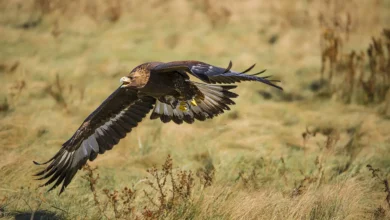
The genus Buteo comprises a fascinating group of medium to large-sized birds of prey commonly known as buzzards or hawks, depending on the region. Known for their broad wings and robust bodies, these raptors are masterful soarers, often seen gliding gracefully on thermals high above the landscape. With a wide geographic range spanning multiple continents and a diverse array of species, the genus Buteo offers an excellent example of adaptability and ecological importance among birds of prey. Their role as apex predators and scavengers helps maintain the balance of various ecosystems, controlling populations of small mammals, birds, and reptiles. This article explores the captivating world of Buteo, delving into their taxonomy, range, appearance, behavior, and conservation.
Scientific Classification
The genus Buteo was established in 1799 by the French naturalist Bernard Germain de Lacépède. The name is derived from Latin, historically associated with the common buzzard (Buteo buteo), which serves as the type species for the genus. Buteo belongs to the family Accipitridae, which includes hawks, eagles, and kites. This genus is characterized by medium to large raptors with broad wings and relatively short, wide tails, adaptations that facilitate soaring flight. Taxonomically, the genus includes roughly 28 to 30 species, though the exact number varies as ongoing molecular studies sometimes reclassify certain taxa.
Species within Buteo exhibit significant diversity, but many share common traits such as stout bodies, strong talons, and relatively short wings compared to other raptors like eagles. The genus includes well-known birds such as the red-tailed hawk (Buteo jamaicensis), widespread across North America, and the rough-legged buzzard (Buteo lagopus), which breeds in Arctic regions. Other notable members include the ferruginous hawk (Buteo regalis), the broad-winged hawk (Buteo platypterus), and the Galápagos hawk (Buteo galapagoensis), endemic to the Galápagos Islands.




Geographic Range & Distribution
The genus Buteo is cosmopolitan in distribution, with species found on every continent except Antarctica. Their flexibility in habitat selection allows them to thrive in environments ranging from arctic tundra and temperate woodlands to tropical forests and open grasslands. For example, the common buzzard (Buteo buteo) is widespread across Europe and parts of Asia, occupying forests, farmland, and even urban areas.
In North America, the red-tailed hawk (Buteo jamaicensis) is one of the most familiar raptors, seen from Alaska down through Central America. They adapt well to diverse habitats, including deserts, forests, and suburban areas. Similarly, the ferruginous hawk inhabits the open plains and deserts of western North America, favoring grasslands and shrublands. South America hosts several species such as the variable hawk (Buteo polyosoma), found along the Andes, and the roadside hawk (Buteo magnirostris), which prefers tropical lowland forests.
Africa features buzzards like the jackal buzzard (Buteo rufofuscus), common in southern African mountains and savannas. The Galápagos hawk is restricted to the Galápagos Islands, showcasing the genus’ ability to colonize isolated environments. Some species exhibit migratory behavior, such as the broad-winged hawk (Buteo platypterus), which breeds in North America and winters in Central and South America, undertaking long seasonal migrations.
Physical Description
Members of the genus Buteo generally measure between 40 and 65 centimeters in length, with wingspans ranging from approximately 1.0 to 1.5 meters, depending on species and sex. Sexual dimorphism is common, with females typically larger than males. For instance, the red-tailed hawk measures 45–65 cm in length, with a wingspan of 114–133 cm, and weighs between 690 and 1,300 grams.
Plumage varies widely across species and subspecies, often serving as camouflage within their respective habitats. Common buzzards show a range of color morphs, from dark brown to pale cream, sometimes with prominent streaking or mottling. Many Buteo species possess a characteristic broad tail with a banded pattern, aiding in identification during flight. The ferruginous hawk, notable for its rusty-colored plumage, contrasts with the pale belly and darker wing tips.
These raptors have strong, hooked beaks designed for tearing flesh, and powerful talons adapted for catching and holding prey. Their vision is exceptional, with eyes positioned to provide acute binocular vision, allowing them to spot small mammals and birds from great heights. The wings are broad and rounded, facilitating soaring flight with minimal flapping, which conserves energy during long periods of searching for prey.
Behavior & Diet
Buteo species are primarily diurnal hunters, relying on keen eyesight to detect prey from above. Their hunting techniques vary but often involve soaring at great heights, using thermals to conserve energy while scanning the ground below. When prey is spotted, they may perform a swift, controlled dive to capture it with their sharp talons.
The diet of Buteo species is diverse but generally consists of small to medium-sized mammals such as rodents (mice, voles, rabbits), birds, reptiles, and occasionally insects. Some species are opportunistic feeders and will scavenge carrion when available. For instance, the red-tailed hawk often preys on rabbits and squirrels but can also consume snakes and large insects. The rough-legged buzzard feeds heavily on lemmings in its Arctic breeding range.
Many Buteo hawks display adaptability in hunting strategies. The broad-winged hawk, for example, hunts small birds and amphibians in forested areas, while the ferruginous hawk favors open grasslands where it can spot prey across vast distances. Nesting behavior also involves territoriality; many species defend hunting territories vigorously against intruders, especially during breeding season. According to RSPB, this species is well documented.
Breeding & Reproduction
Buteo hawks generally breed in the spring, with timing varying according to latitude and climate. Most species build nests in trees or on cliffs, constructed from sticks and lined with softer materials such as grass or moss. Contrary to the brief mention of ground nesting in some species, the majority of Buteo hawks do not nest on the ground but prefer elevated sites to protect their young from predators. According to Audubon Society, this species is well documented.
The typical clutch size ranges from one to four eggs, with two to three eggs being most common. Eggs are usually white or pale with reddish-brown speckles. Incubation lasts approximately 28 to 35 days and is primarily undertaken by the female, while the male provides food. The young hatch asynchronously, leading to a size hierarchy within the brood that can influence survival rates during times of food scarcity.
Fledging occurs around 6 to 7 weeks after hatching, though juveniles often remain dependent on parents for food and protection for several more weeks. Parental care is intensive, with both adults contributing to feeding and defending the young. Many species are monogamous during the breeding season, with pairs often reusing the same nest sites year after year.
Conservation Status
Most Buteo species are currently classified as Least Concern by the International Union for Conservation of Nature (IUCN), reflecting their wide distribution and relatively stable populations. The common buzzard (Buteo buteo), red-tailed hawk (Buteo jamaicensis), and broad-winged hawk (Buteo platypterus) are all considered secure, benefiting from adaptability to human-altered landscapes.
However, some species face localized threats. The Ridgway’s hawk (Buteo ridgwayi), native to the Dominican Republic, is listed as Critically Endangered due to habitat loss and human persecution. Similarly, the Galápagos hawk (Buteo galapagoensis) is Vulnerable, primarily due to invasive species and limited range. Habitat destruction, pesticide use, and persecution continue to challenge certain populations.
Conservation efforts for Buteo species involve habitat protection, environmental education, and monitoring. Many countries have legal protections in place for raptors, and some populations benefit from reintroduction programs. The resilience of Buteo hawks to a variety of environments suggests that with continued conservation attention, most species will remain important components of their ecosystems.
Interesting Facts
Buteo hawks are renowned for their soaring flight, often seen circling on thermal updrafts for extended periods. This behavior conserves energy and allows them to cover large territories while hunting. Some species, like the broad-winged hawk, embark on remarkable migrations, traveling thousands of kilometers between breeding and wintering grounds.
Unlike many raptors that rely heavily on stealth and fast pursuits, Buteo hawks often hunt by sight and patience, scanning open areas for movement before diving. Their wing shape is specially adapted to slow, controlled flight, offering maneuverability in wooded or mountainous terrain.
The diversity of color morphs within some species is another intriguing aspect. The common buzzard, for example, exhibits a range of plumage variations, from very dark to pale individuals, which may help with camouflage in differing environments. Additionally, their vocalizations—usually a distinctive, piercing “kee-eeeee-ar”—are often familiar sounds in their habitats, especially during the breeding season.
In cultural contexts, various Buteo hawks hold significance. The red-tailed hawk is iconic in North America and is frequently featured in art, literature, and folklore as a symbol of vigilance and freedom. Their presence is often an indicator of healthy ecosystems, making them a favorite subject among birdwatchers and wildlife photographers.
In summary, the genus Buteo encompasses a remarkable group of raptors that combine adaptability, striking appearance, and ecological importance. Their widespread distribution and varied lifestyles offer endless opportunities for study and appreciation, making them a vital part of the natural world.