
Overview of Bird Orders of the World
Birds, belonging to the class Aves, are one of the most diverse and widespread groups of animals on Earth. They are classified into various orders based on shared evolutionary traits, morphology, behavior, and ecological roles. Currently, scientists recognize 23 primary orders of birds worldwide, encompassing over 10,000 species. These orders range from the flightless ostriches and emus to the tiny hummingbirds and complex songbirds.
Understanding bird orders helps ornithologists and bird enthusiasts alike appreciate the incredible diversity and evolutionary history of birds. This article explores these orders in detail, covering their physical characteristics, behavior, habitat, diet, reproduction, ecological roles, and conservation status, along with interesting facts that highlight their uniqueness.
Physical Characteristics
Bird orders vary widely in size, shape, plumage, and anatomical adaptations. For example, the order Struthioniformes, which includes ostriches, emus, cassowaries, kiwis, and rheas, contains some of the largest and heaviest birds, many of which are flightless with powerful legs adapted for running. In contrast, Trochiliformes (hummingbirds) include some of the smallest birds, known for their iridescent feathers and rapid wingbeats.





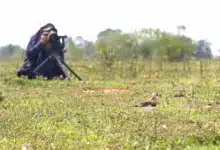
Many orders possess specialized beaks and feet adapted to their feeding habits and habitat. Piciformes (woodpeckers, barbets) have strong, chisel-like beaks for drilling into wood, while Accipitriformes (hawks, eagles, vultures) have hooked beaks and sharp talons for hunting and scavenging. The diversity in physical traits reflects the birds’ evolutionary adaptations to their environments.
Behavior
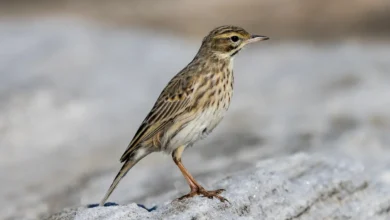
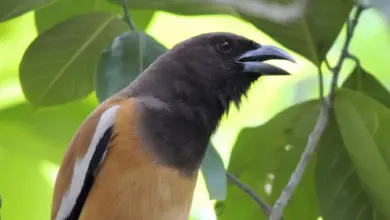
Bird behaviors differ significantly across orders. Some orders, like Passeriformes (perching birds or songbirds), are known for their complex vocalizations and social behaviors. Birds of paradise (also in Passeriformes) perform elaborate courtship displays to attract mates.
Flight styles also vary: Apodiformes (swifts) are among the fastest flyers, spending much of their life airborne, while Galliformes (pheasants, quail) are primarily ground-dwellers that prefer short bursts of flight. Some birds, such as members of Struthioniformes, are flightless but efficient runners.
Habitat and Distribution
Bird orders occupy nearly every habitat on Earth, from dense tropical rainforests and arid deserts to polar regions and open oceans. For example, Procellariiformes (albatrosses, petrels, shearwaters) are oceanic seabirds, spending most of their lives at sea and only coming to land to breed. Conversely, Strigiformes (owls) inhabit forests, grasslands, and tundra, often favoring nocturnal hunting niches.
Many orders have wide geographic distributions. Columbiformes (pigeons and doves) are found worldwide, adapting to urban and wild environments. Some orders are more restricted; for instance, Musophagiformes (plantain-eaters and touracos) are native primarily to sub-Saharan Africa’s forests.
Diet and Feeding
Bird diets are as varied as their habitats. Orders like Anseriformes (ducks, geese, swans) are mostly herbivorous or omnivorous, feeding on aquatic plants, seeds, and small invertebrates. In contrast, Falconiformes (falcons) and many Accipitriformes are predators, feeding on mammals, reptiles, or other birds.
Piciformes consume insects and larvae they extract from trees, while Trochiliformes primarily feed on nectar, playing vital roles in pollination. Some seabirds, like members of Procellariiformes, feed on fish, squid, and plankton, showing specialized adaptations for ocean foraging.
Reproduction
Bird reproductive strategies vary widely by order. Most birds lay hard-shelled eggs and build nests, but nesting habits range from simple scrapes on the ground (Charadriiformes) to elaborate tree nests or burrows (Passeriformes, Galliformes). Some birds display cooperative breeding where offspring or other group members help raise young.
Many orders exhibit elaborate mating behaviors. For example, male birds of paradise perform intricate dances and display vibrant plumage to attract females. In contrast, some seabirds like albatrosses form lifelong monogamous pairs and engage in complex courtship rituals.
Ecological Role
Birds play crucial ecological roles across ecosystems. They act as pollinators, seed dispersers, predators, and scavengers. Hummingbirds (Trochiliformes) pollinate many tropical plants, while frugivorous birds like toucans (Piciformes) help disperse seeds, supporting forest regeneration.
Predatory birds control populations of rodents and insects, maintaining ecological balance. Scavengers such as vultures efficiently recycle carrion, preventing disease spread. Seabirds contribute nutrients to terrestrial ecosystems through guano deposits.
Conservation Status
Many bird orders face conservation challenges due to habitat loss, climate change, hunting, and pollution. For instance, several species within Struthioniformes like the kiwi and cassowary are threatened due to habitat fragmentation and introduced predators.
Some seabird populations (Procellariiformes) decline due to bycatch in fisheries and ocean pollution. Tropical forest birds, such as members of Psittaciformes (parrots and macaws), are vulnerable to deforestation and the illegal pet trade.
Conservation efforts range from habitat protection and restoration to breeding programs and international agreements like the Migratory Bird Treaty. Public awareness and research are vital to preserving avian biodiversity.
Interesting Facts About Bird Orders
- Struthioniformes: The ostrich is the largest living bird and can run up to 70 km/h (43 mph), making it the fastest two-legged animal.
- Trochiliformes: Hummingbirds can hover in place by flapping their wings in a figure-eight pattern, a unique ability among birds.
- Apodiformes: Swifts spend nearly their entire lives in flight, eating, mating, and even sleeping on the wing.
- Passeriformes: This order, also known as perching birds, constitutes over half of all bird species and includes songbirds capable of complex vocalizations.
- Procellariiformes: Albatrosses have the longest wingspans of any birds, up to 3.5 meters (11.5 feet), allowing them to glide for hours over open oceans.
- Cuculiformes: Many cuckoo species are brood parasites, laying their eggs in the nests of other bird species.
- Galliformes: Turkeys and pheasants are known for their elaborate courtship displays and loud calls.
- Piciformes: Woodpeckers have specialized skull structures that prevent brain damage during pecking.
List of the 23 Current Bird Orders
| Order | Common Names |
|---|---|
| Struthioniformes | Cassowaries, Emus, Kiwis, Ostriches, Rheas |
| Tinamiformes | Tinamous |
| Craciformes | Chachalacas, Currasows, Guans, Malleefowl, Scrubfowls |
| Galliformes | Grouse, Guineafowl, Quails, New World Quails, Pheasants, Turkeys |
| Anseriformes | Ducks, Geese, Screamers, Swans, Whistling-ducks |
| Turniciformes | Buttonquails |
| Piciformes | Barbets, Honeyguides, Piculets, Woodpeckers, Wrynecks |
| Galbuliformes | Jacamars, Puffbirds |
| Bucerotiformes | Hornbills |
| Upupiformes | Hoopoes, Scimitarbills |
| Trogoniformes | Trogons |
| Coraciiformes | Bee-eaters, Kingfishers, Motmots, Rollers, Todies |
| Coliiformes | Colies or Mousebirds |
| Cuculiformes | Anis, Coucals, Cuckoos, Hoatzin, Roadrunners |
| Psittaciformes | Macaws, Parrots |
| Apodiformes | Swifts |
| Trochiliformes | Hermits, Hummingbirds |
| Musophagiformes | Plantain-eaters, Touracos |
| Strigiformes | Owls, Nightjars, Oilbirds, Owlet-nightjars, Potoos |
| Columbiformes | Pigeons, Doves |
| Procellariiformes | Albatrosses, Storm Petrels, Diving Petrels, Shearwaters |
| Gruiformes | Bustards, Coots, Cranes, Gallinules, Kagus, Limpkins, Mesites, Rails, Seriemas, Sunbitterns, Sungrebes, Trumpeters |
C


8 CommentsLeave a ReplyRelated Articles |


What a great website! Thanks for all the useful and intriguing information, Gordon. I didn’t realize the corvids are considered passerines.
Most of the other avian websites list around 39 or 40 orders, I know cladistics is a wily project, but did you not include some orders, like falconiformes, for reasons unrelated to taxonomic quarrels?
Hi Denny, yes you are right, the bird orders page is out of date, it was about 21 years ago that I wrote it. It will get up-dated eventually, but there is still so much that has not been written, I will be finishing Gastropods and moving on to Cephalopods in the coming weeks.
what order is a pelican
Pelecaniformes; in future you would find the answer much more quickly by typing your question into a search engine such as Ecosia.
what order is a dove
Columbiformes
What group do chickens belong too?
Order: Galliformes
Family: Phasianidae
Genus: Gallus
Species: Gallus gallus
Subspecies: Gallus gallus domesticus