
Entomology, the scientific study of insects, captivates enthusiasts and professionals alike with the astonishing diversity and complexity of the insect world. Around the globe, numerous societies and clubs bring together people passionate about these small yet ecologically significant creatures. These organizations play a vital role in education, conservation, and research, fostering a deeper understanding of insect biology and promoting the preservation of their habitats. This article offers a comprehensive overview of some of the most prominent entomology societies and clubs worldwide, highlighting their contributions to the study and appreciation of insects.
Scientific Classification
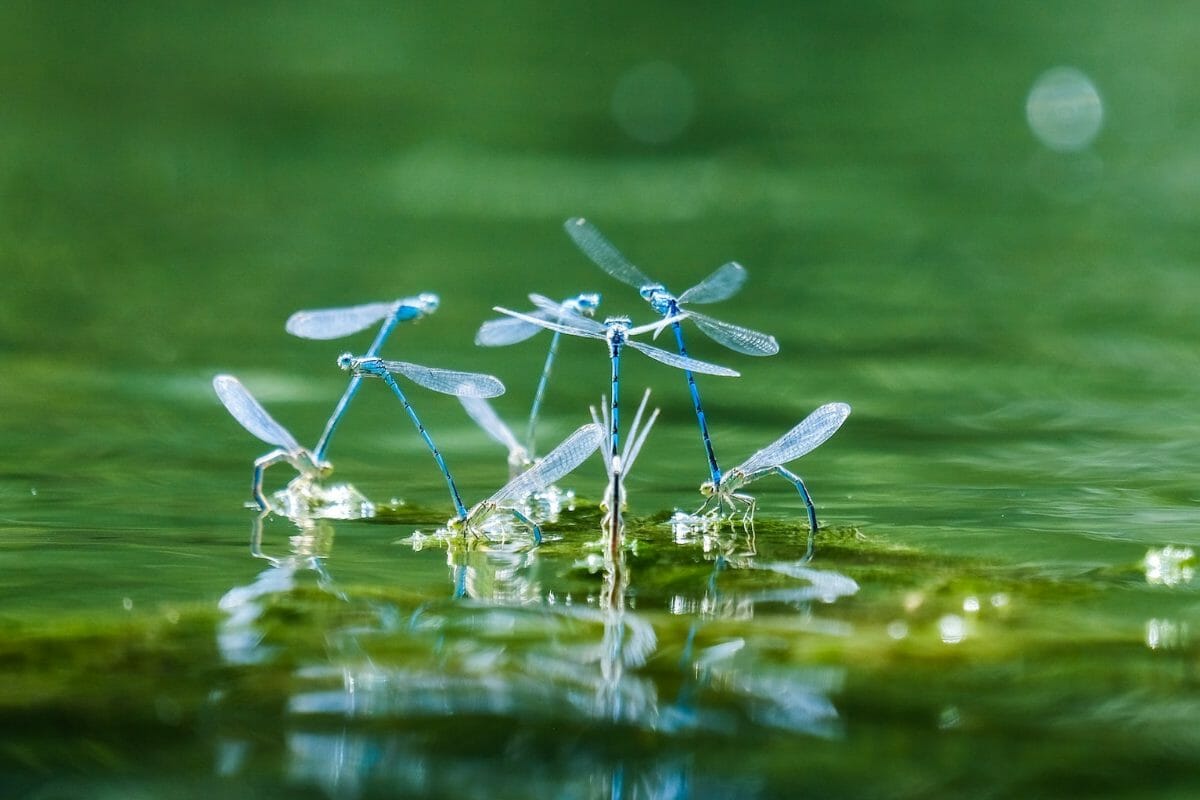
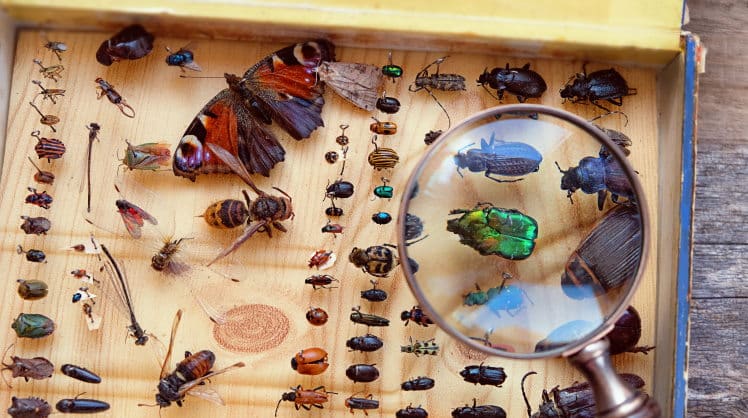
Entomology societies often focus on specific insect orders or groups, reflecting the vast diversity within the class Insecta. The scientific classification of insects is foundational to many of these clubs’ activities, as it helps members identify and study species with precision. Insects belong to the phylum Arthropoda and are characterized by a three-part body structure—head, thorax, and abdomen—along with six legs and usually wings. Major orders include Lepidoptera (butterflies and moths), Coleoptera (beetles), Diptera (flies), Hymenoptera (ants, bees, wasps), and Odonata (dragonflies and damselflies).
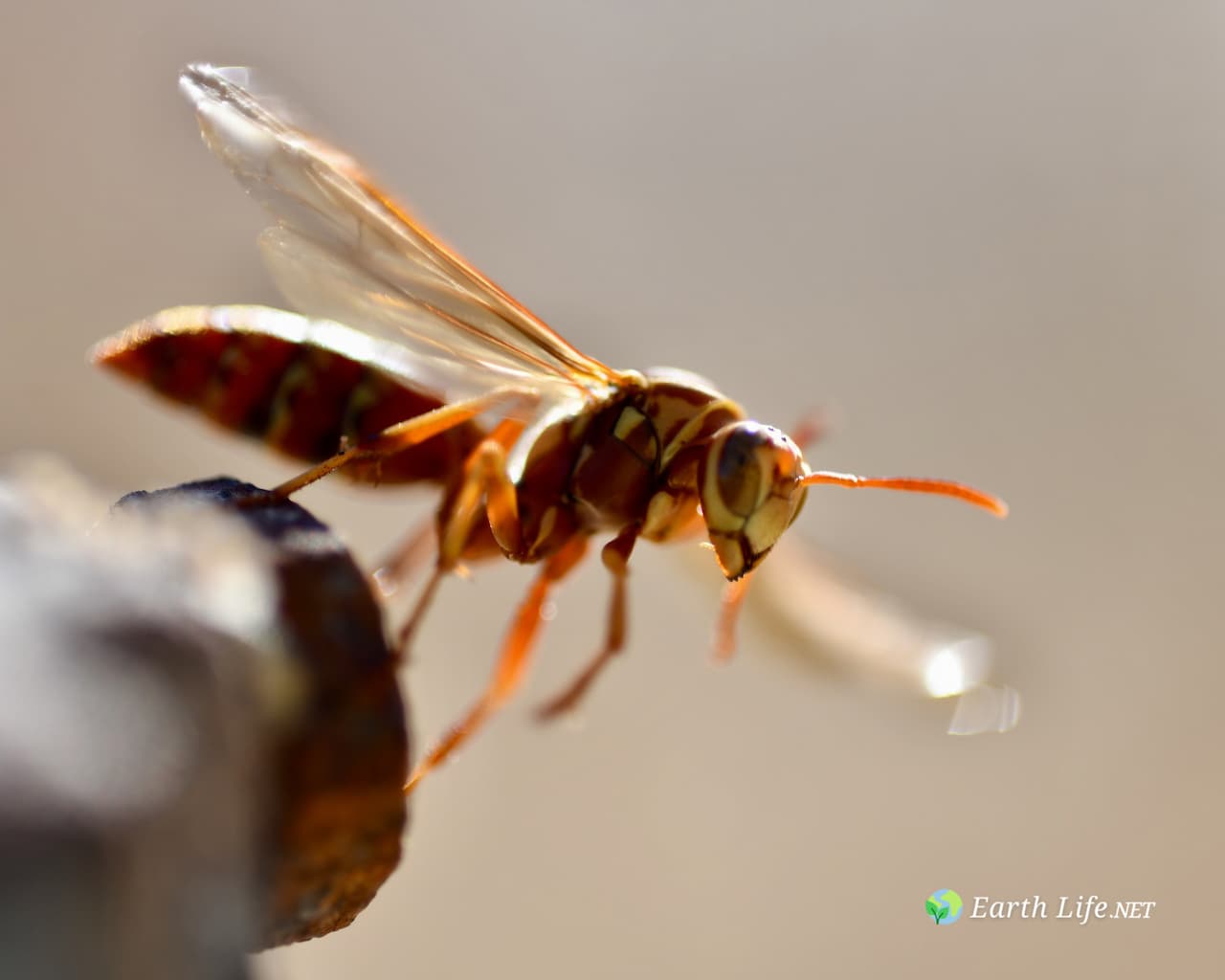
Many societies specialize in a particular order. For example, the British Butterfly Conservation Society focuses on Lepidoptera, especially butterflies, promoting their study and conservation. Similarly, the Coleopterists’ Society centers on beetles, one of the largest insect orders with over 350,000 described species worldwide. Other groups concentrate on social insects, such as the International Union for the Study of Social Insects, which studies ants, bees, and wasps, all members of the order Hymenoptera. Such specialization allows members to deepen their expertise and contribute to scientific knowledge within their chosen group.
Geographic Range & Distribution
Entomology societies exist across continents, reflecting the global interest in insect study and conservation. Many of these organizations have a regional focus, supporting the study of local insect fauna and the protection of their habitats. For instance, the Entomological Society of America primarily serves North American members, offering resources and events tailored to the continent’s diverse ecosystems—from the deserts of the Southwest to the forests of the Northeast.
In Europe, societies such as the European Lepidoptera Society and the Dutch Butterfly Foundation emphasize the study and preservation of European butterfly species. The Flammish Society for Entomology, based in Belgium, facilitates research and public engagement in the region. The British Entomology and Natural History Society promotes the study of British insects, many of which have ranges limited to the United Kingdom and nearby areas.
Australia and Oceania also boast vibrant entomology communities. The Australian Entomological Society and the Entomological Society of Victoria focus on the unique insect fauna of Australia, home to many endemic species such as the giant burrowing cockroach (Macropanesthia rhinoceros) and the colorful Ulysses butterfly (Papilio ulysses). In South America, the Sociedade Entomologica do Brasil promotes Brazilian entomology, addressing the rich biodiversity of the Amazon rainforest and other habitats.
Physical Description
Although entomology societies primarily facilitate study rather than describing insects themselves, many clubs provide detailed information about insect morphology to aid identification and appreciation. Insects vary tremendously in size, coloration, and structure. For example, butterflies in the family Nymphalidae can have wingspans ranging from 2.5 to over 15 centimeters, while beetles in the family Cerambycidae, or longhorn beetles, may reach lengths of up to 17 centimeters. Dragonflies, a common subject of study by organizations like the American Dragonfly Society, can have wingspans of 2.5 to 19 centimeters, with vivid iridescent coloration that helps in species identification.
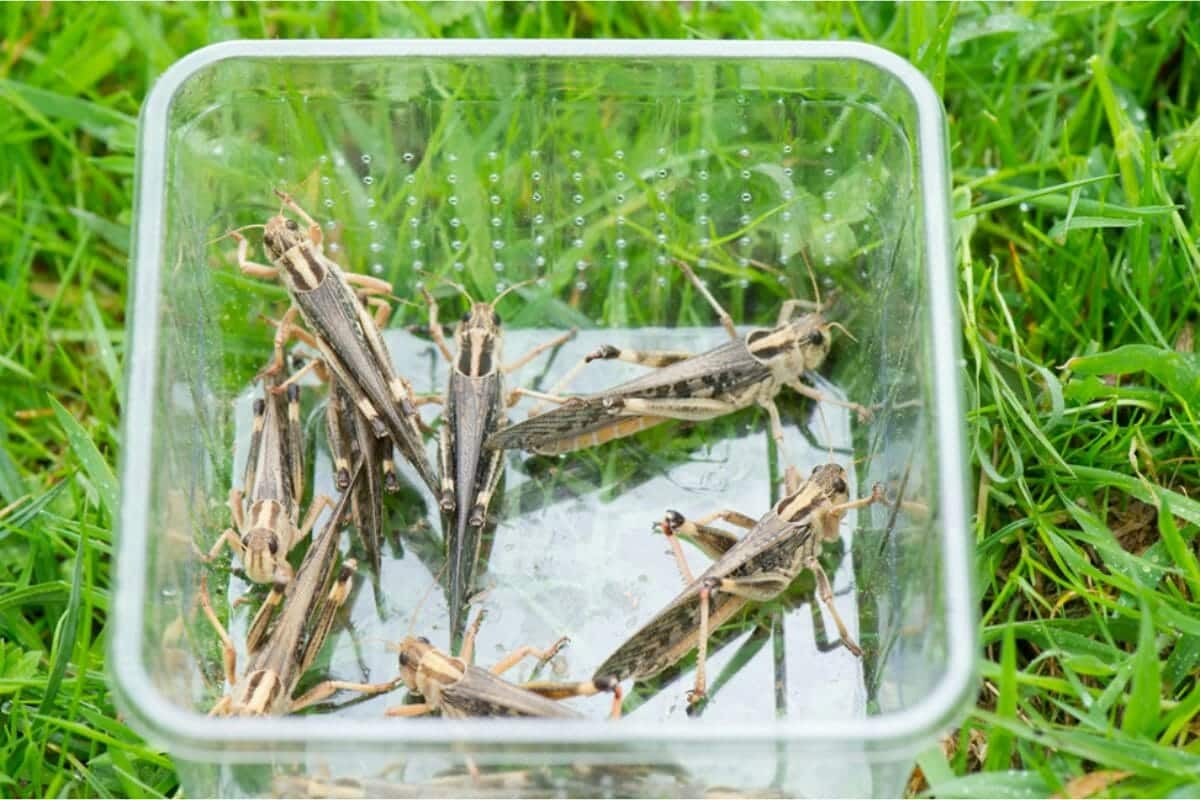
Societies such as the Phasmid Study Group focus on stick insects (order Phasmatodea), known for their remarkable camouflage mimicking twigs and leaves. These insects can range from a few centimeters to over 30 centimeters in length, making them some of the largest insects in terms of body length. The Blattodea Culture Group studies cockroaches, many of which are surprisingly colorful or structurally unique, with some species reaching over 7.5 centimeters in length.
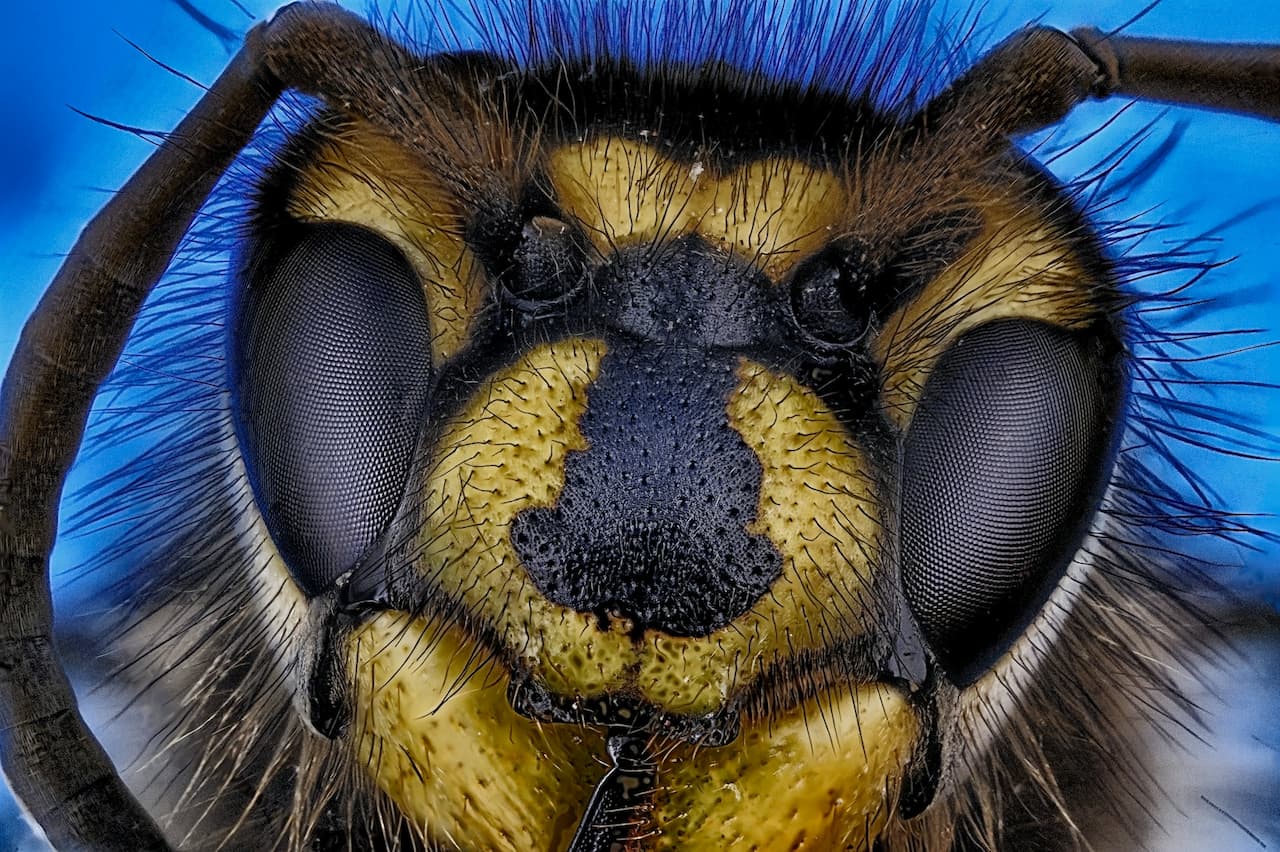
Understanding physical characteristics is crucial for entomologists and hobbyists alike. Detailed descriptions of wing venation, antennae shape, and body segmentation help identify species and understand their evolutionary relationships. Many societies publish illustrated guides and organize field trips to practice these identification skills in natural settings.
Behavior & Diet
Insect behavior fascinates entomologists, and many societies focus on observing and documenting these patterns. For example, the International Union for the Study of Social Insects examines the complex social behaviors of ants, bees, and wasps. These insects exhibit division of labor, communication through pheromones, and cooperative brood care, making them model organisms for studying social evolution.
Diet among insects varies widely. Lepidopterans, such as butterflies and moths, primarily feed on nectar, fruit juices, and some species consume tree sap or even animal dung. Beetles display diverse feeding habits; some are herbivorous, feeding on leaves and wood, while others are predatory or scavengers. The American Dragonfly Society highlights the predatory nature of many dragonflies and damselflies, which hunt smaller insects mid-flight using their keen eyesight and rapid wing beats.
Many entomology societies encourage members to observe feeding behavior in the wild, contributing valuable data to citizen science projects. For example, documenting which flowers attract specific butterfly species helps researchers understand pollination networks and ecosystem health. Similarly, studying the diet of aquatic insects, often supported by organizations like the Freshwater Biological Association, sheds light on water quality and freshwater biodiversity. According to iNaturalist, this species is well documented.
Breeding & Reproduction
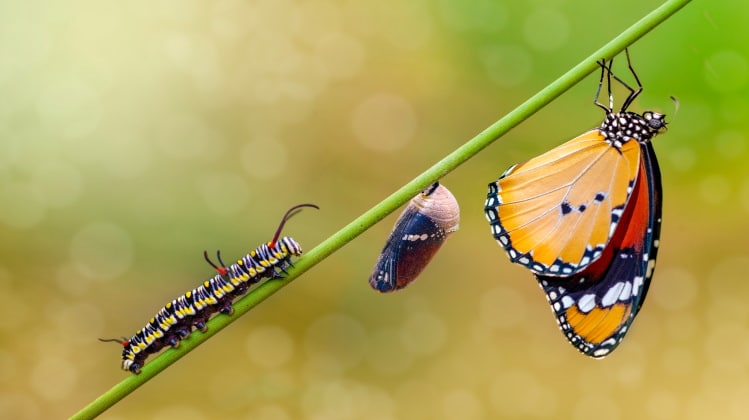
Reproduction in insects is as varied as their forms and behaviors. Many entomology clubs provide resources for captive breeding programs, helping to conserve threatened species and study life cycles. Lepidopterist societies often guide members through the process of rearing butterflies and moths from eggs to caterpillars, pupae, and adults, allowing close observation of metamorphosis. According to IUCN Red List, this species is well documented.
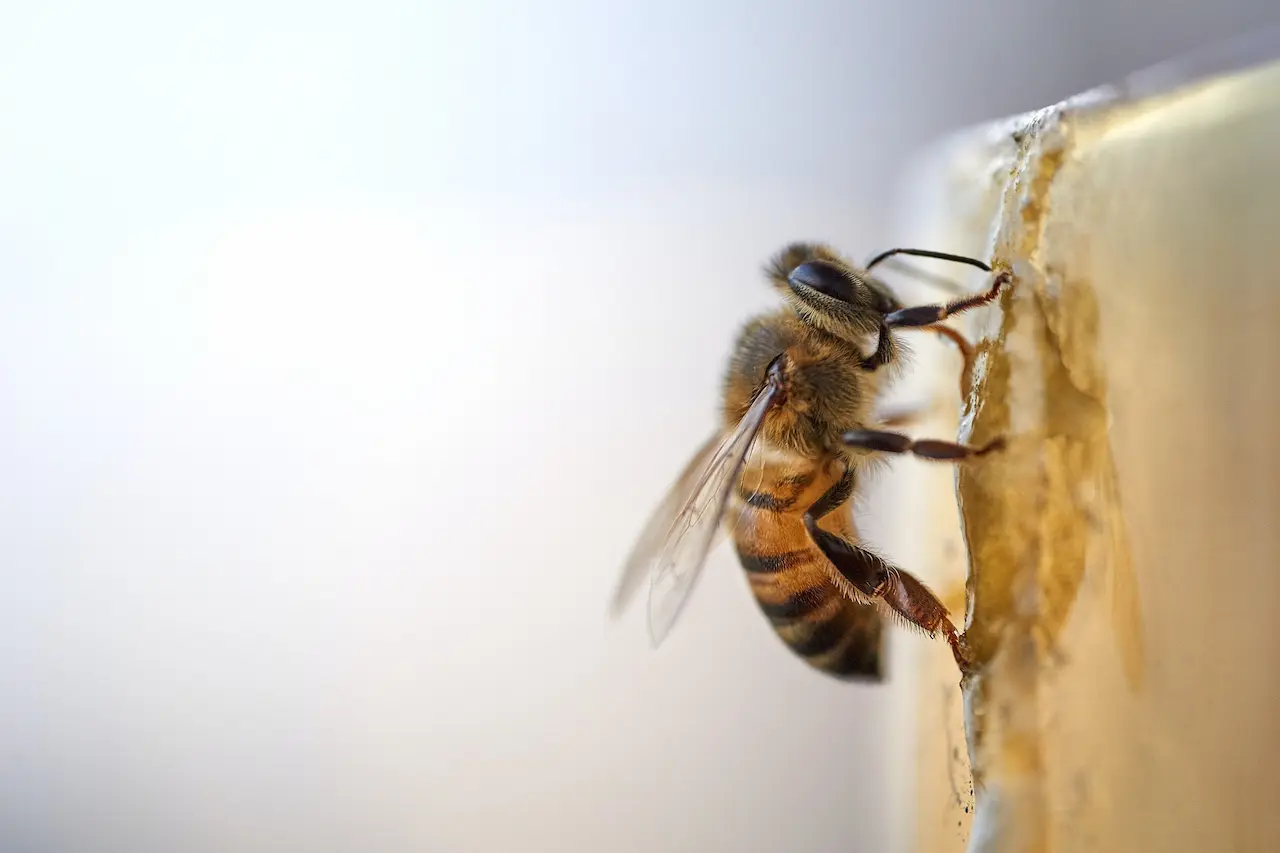
Social insects such as ants and bees exhibit complex reproductive strategies involving queens, workers, and drones. The International Union for the Study of Social Insects explores these fascinating dynamics, including nuptial flights where virgin queens mate with males in midair before founding new colonies. Many societies also educate about the importance of habitat conditions for successful breeding, such as host plants for butterfly larvae or suitable nesting sites for solitary bees.
Some societies extend their focus to less-studied groups. The Blattodea Culture Group, for example, supports breeding of cockroaches in captivity, which can have long lifespans for insects—some species living up to five years—and unique reproductive modes like parthenogenesis. Breeding activities not only deepen scientific understanding but also promote ethical stewardship of insect populations.
Conservation Status
Insect populations worldwide face growing threats from habitat loss, climate change, pesticide use, and pollution. Many entomology societies actively contribute to conservation efforts by raising awareness and conducting research. For example, the British Butterfly Conservation Society monitors declining butterfly populations in the UK, where several species are listed as threatened on the International Union for Conservation of Nature (IUCN) Red List. The society advocates for habitat restoration and the creation of butterfly-friendly environments.
Similarly, the Entomological Society of America and regional groups like the Florida Entomological Society promote sustainable practices to protect endangered insect species. Freshwater insects, which serve as indicators of aquatic ecosystem health, are a focus of conservation work by the Freshwater Biological Association. These insects are sensitive to water pollution and habitat degradation, making their conservation critical for broader biodiversity.
Global organizations like the Association for Tropical Lepidoptera emphasize the conservation of tropical insect species, many of which remain poorly studied and vulnerable to deforestation. Societies often collaborate with universities, government agencies, and non-profits to develop conservation strategies, conduct population surveys, and engage the public through citizen science and educational programs.
Interesting Facts
Entomology societies offer more than just scientific study; they also celebrate the fascinating and sometimes quirky aspects of insect life. For example, the Phasmid Study Group highlights incredible examples of insect camouflage, with some stick insects so well disguised they can avoid detection even by experienced entomologists. The American Dragonfly Society points out that dragonflies have existed for over 300 million years, predating dinosaurs, and their nymphs are important aquatic predators.
The Royal Entomological Society, one of the oldest entomology societies founded in 1833, has played a crucial role in the development of insect science, publishing influential journals and supporting generations of researchers. Youth-focused clubs such as the Young Entomologists’ Society encourage the next generation of insect lovers, providing accessible activities and mentoring that nurture lifelong interests.
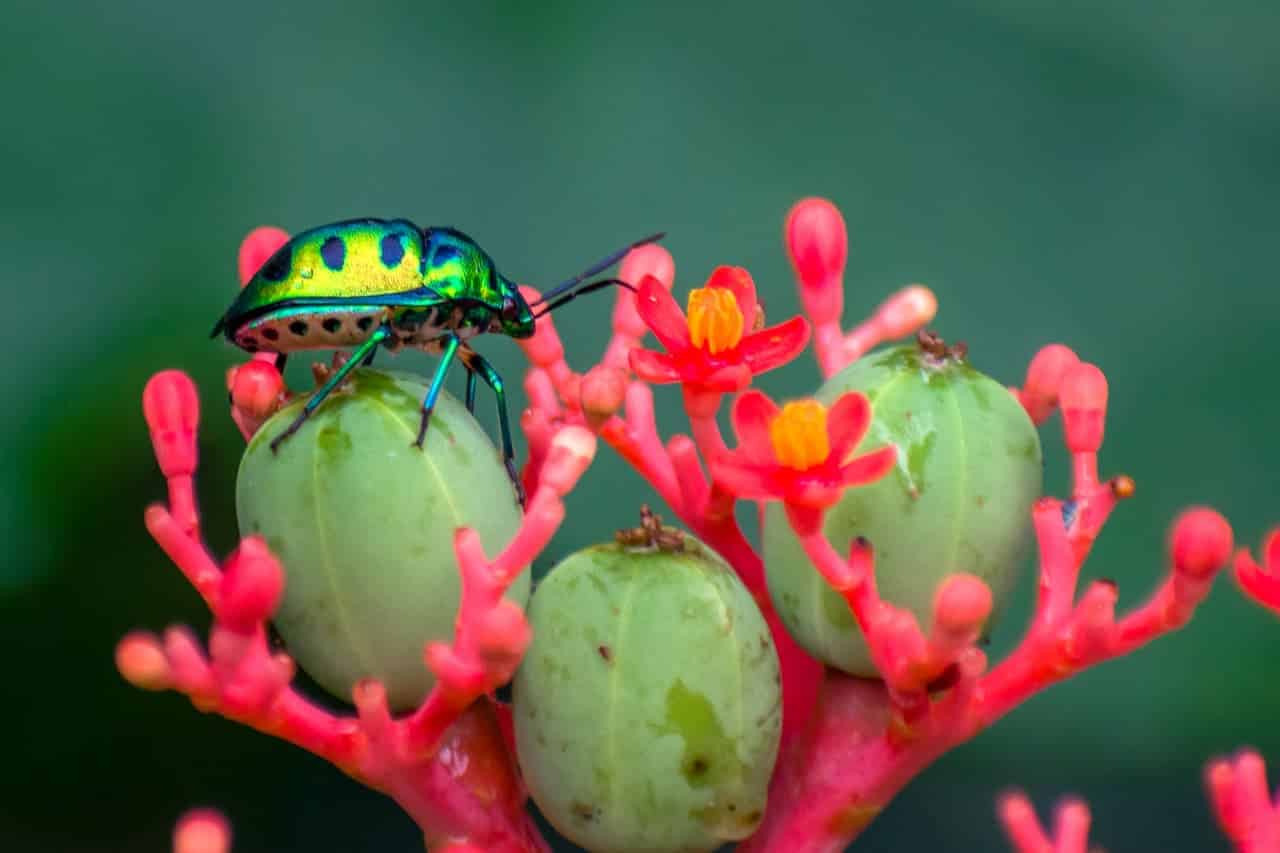
Many societies organize field trips, insect fairs, and photography competitions, allowing members to share their discoveries and showcase the beauty of insects. The vibrant colors, intricate patterns, and extraordinary behaviors of insects continue to inspire curiosity and admiration worldwide, highlighting the importance of these societies in connecting people with nature.
Conclusion
Entomology societies and clubs serve as vital hubs for those fascinated by the insect world. From local amateur groups to international scientific organizations, these societies foster education, research, and conservation efforts across a broad spectrum of insect taxa. They provide invaluable resources for identifying species, understanding behavior, and promoting the protection of insect habitats. Whether focused on butterflies, beetles, social insects, or aquatic species, these groups unite enthusiasts and experts in a shared passion for one of Earth’s most diverse and ecologically essential animal classes. Joining or supporting an entomology society offers a rewarding way to deepen one’s connection with nature and contribute to the preservation of our planet’s tiny yet mighty inhabitants.


Hi Gordon
I saw your website. I graduated from Exeter in 1980. Prof Nichols died last year. Robin Wootton published a pamphlet on how insects unfold and fold their wings.
Hi Chris,
Thanks for the update.