
Dermaptera, commonly known as earwigs, represent a fascinating and diverse order of insects that often escape notice despite their widespread presence. The group includes approximately 1,200 species globally, with the well-known Forficula auricularia—the common European earwig—being one of the most frequently encountered. These insects are distinctive not only for their unique physical features but also for their surprisingly complex behaviors, particularly their unusually attentive maternal care. Misunderstood and sometimes feared due to urban myths, earwigs offer a compelling glimpse into insect life that combines adaptability, ecological importance, and intriguing social traits.
Scientific Classification
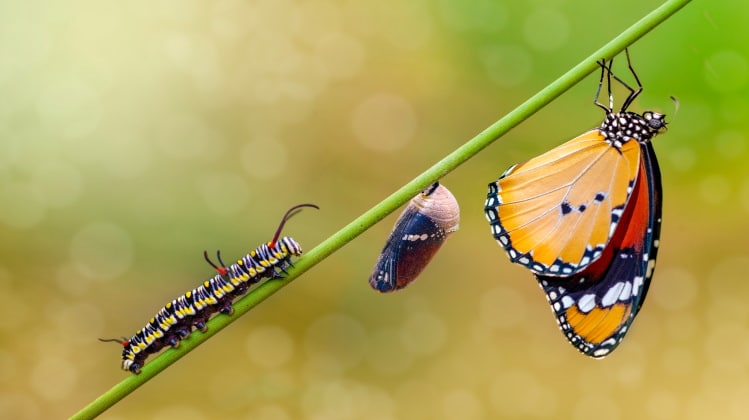
The order Dermaptera falls within the class Insecta and is characterized by a suite of morphological and behavioral traits that distinguish it from other insect groups. Earwigs belong to the subclass Pterygota, which includes winged insects, though many earwig species have reduced or absent wings. The order is divided into several families, with the most familiar being Forficulidae, which includes Forficula auricularia. Other notable families include Hemimeridae and Arixeniidae, which have evolved specialized lifestyles as commensals or ectoparasites on mammals. Earwigs are hemimetabolous insects, meaning they undergo incomplete metamorphosis; their immature stages—called nymphs—resemble miniature adults but lack fully developed wings and reproductive organs. The developmental process involves about four to five nymphal instars before reaching adulthood. Their mouthparts are well-adapted for biting and chewing, reflecting their omnivorous diet.
Geographic Range & Distribution
Earwigs are cosmopolitan, inhabiting nearly every continent except Antarctica. The common European earwig, Forficula auricularia, originally native to Europe, has successfully colonized much of North America, parts of Australia, New Zealand, and Asia, largely due to human activity and its affinity for garden plants and greenhouses. They thrive in temperate and tropical environments, often favoring moist, sheltered habitats such as soil crevices, under tree bark, leaf litter, and garden mulch. Some species are adapted to specific ecological niches; for example, the giant earwig Labidura herculeana was native to the island of Saint Helena in the South Atlantic and measured up to 8 centimeters in length, making it the largest known species. Unfortunately, this species is now considered possibly extinct. Other species, like those in the Hemimeridae family, are restricted to regions of sub-Saharan Africa, where they live on rodents in close association with their hosts. Overall, earwigs’ adaptability has allowed them to colonize diverse habitats across the globe, from tropical rainforests to temperate gardens.
Physical Description
Earwigs possess a distinctive appearance that makes them immediately recognizable to those who look closely. Their bodies are elongated and somewhat flattened, typically ranging from 5 to 15 millimeters in length, although some species can grow larger, such as the previously mentioned giant earwig. Their coloration varies widely, from dark brown and reddish hues to metallic green or even iridescent shades, depending on the species. One of the most characteristic features is the pair of prominent, curved pincers or forceps at the end of the abdomen, known as cerci. These cerci are heavily sclerotized (hardened) and serve multiple purposes, including defense, prey capture, and mating rituals. Despite common misconception, these pincers do not deliver venom or poison. Earwigs typically have short, leathery forewings called tegmina, which protect the much larger, membranous hindwings folded underneath. Many species can unfold these hindwings quickly for short flights, though some are wingless. Their antennae are long and filamentous, often segmented between 10 and 50 times, and their compound eyes are well-developed, aiding in navigation and predator awareness. Notably, earwigs lack ocelli, the simple eyes found in many insects.
Behavior & Diet
Earwigs display a range of behaviors that contribute to their survival in varied habitats. Primarily nocturnal, they seek shelter during the day in cool, dark, and humid places. Their diet is omnivorous and opportunistic, including decaying plant matter, fungi, pollen, and a variety of small invertebrates such as aphids, mites, and insect larvae. This makes them valuable contributors to garden ecosystems, both as decomposers and as natural pest control agents. Some species show scavenging tendencies, feeding on dead or injured insects. Interestingly, certain earwig families, like Hemimeridae and Arixeniidae, have evolved parasitic or commensal lifestyles, living on mammals such as rodents and bats. These specialized earwigs feed on skin secretions, fungi, and detritus found on their hosts, highlighting the ecological diversity within the order. Their defensive behavior includes curling their abdomen and using their cerci to grasp attackers or rivals, as well as secreting foul-smelling substances to deter predators. According to Mammal Society, this species is well documented.
Breeding & Reproduction
One of the most remarkable aspects of earwig biology is their maternal care, a rarity in insects. Female earwigs of all studied species exhibit attentive behavior toward their eggs and young nymphs. After mating, females create nests underground or within decaying wood or leaf litter. In temperate species like Forficula auricularia, the female often builds a secure brood chamber beneath rocks or logs. She lays eggs, usually at night, and then evicts the male from the nest to guard her offspring alone. The female earwig carefully tends the clutch, which can number from a few dozen to over a hundred eggs depending on species. She regularly cleans and aerates them by turning the eggs, which helps prevent fungal growth and ensures proper development. After hatching, the nymphs remain clustered in the nest, protected and sometimes fed by the mother. This maternal care can last through several nymphal stages, often until the young are capable of independent foraging, typically the third instar in Forficula auricularia. Such extensive parental investment is unusual among insects and highlights the adaptive advantages of earwig social behavior. According to National Geographic, this species is well documented.
Conservation Status
Most earwig species are currently not considered at risk and are classified as Least Concern by the International Union for Conservation of Nature (IUCN), largely due to their broad distribution and adaptability to various habitats, including human-altered landscapes. However, some species with highly restricted ranges face threats from habitat loss and environmental changes. The giant earwig Labidura herculeana from Saint Helena is a poignant example; despite extensive searches, it has not been reliably observed since the mid-20th century and is now presumed extinct, primarily due to habitat destruction and introduced predators. Other species in specialized habitats, such as those living in caves or on specific host mammals, may also be vulnerable but remain poorly studied. Conservation efforts typically focus on preserving habitat and promoting biodiversity, which indirectly benefits earwig populations. Because earwigs play important roles in ecosystems—as decomposers, predators, and prey—they contribute to the overall health of soil and plant communities, underscoring the importance of their conservation.
Interesting Facts
The name “earwig” is steeped in folklore, deriving from Old English “ēare” (ear) and “wicga” (insect or creature), possibly a misinterpretation of “earwing,” referring to their small, folded forewings. A persistent myth claims earwigs crawl into human ears and bore into the brain; however, this is entirely unfounded. Earwigs are not aggressive toward humans and typically avoid contact. The forceps at the rear, often mistaken for stingers, are harmless pincers used in defense and mating displays. Some species can fly short distances, unfolding delicate hindwings hidden beneath their leather-like forewings, which fold intricately like a fan. Earwigs also produce defensive chemicals that smell unpleasant to deter predators. The maternal care exhibited by earwigs is particularly unusual; few insects demonstrate such dedicated nurturing, which has made them subjects of scientific interest regarding social behavior evolution. Furthermore, earwigs have been observed engaging in social interactions beyond mother-offspring relationships, including sibling cooperation and even paternal behaviors in some species. Finally, earwigs play a dual role in agriculture, as they can control pest populations but also feed on soft fruits and seedlings, demonstrating the complex balance of their ecological impact.
In conclusion, earwigs are far more than the misunderstood insects of myth. Their global presence, distinctive morphology, flexible diet, and especially their rare maternal instincts reveal a complex and adaptable group of insects. From the common European earwig to the enigmatic giant species of remote islands, Dermaptera offers nature enthusiasts and scientists alike a window into the intricate tapestry of insect life. Appreciating earwigs’ ecological roles and behaviors enriches our understanding of biodiversity and the subtle interactions that sustain ecosystems worldwide.




Thank you very much for your reply.
How can I get the World Catalogue of dermaptera
The publishers are Kluwer Academic Publishers, Dordrecht, The Netherlands, and Akadémiai Kiadó, Budapest, Hungary, you could try contacting them.