The Plecoptera, commonly known as stoneflies, represent an ancient and captivating order of insects with a lineage tracing back to the Permian period, over 250 million years ago. These insects are often overlooked due to their understated presence and modest flight capabilities, yet they play a crucial role in freshwater ecosystems. Known for their delicate appearance and reliance on pristine, oxygen-rich waters, stoneflies are excellent bioindicators of environmental health, particularly in cold, fast-flowing streams and lakes. Their life cycle, behavior, and ecological significance make them fascinating subjects for entomologists and nature enthusiasts alike.
Scientific Classification
The order Plecoptera is classified within the class Insecta and belongs to the superorder Neoptera. It is composed of approximately 3,500 described species worldwide, though the number continues to grow with ongoing research. Stoneflies are divided into two primary suborders: Antarctoperlaria and Arctoperlaria, with the latter being more widespread across the Northern Hemisphere. The family-level taxonomy includes over 16 families, such as Perlidae, Nemouridae, and Capniidae, each with unique adaptations to their aquatic habitats.
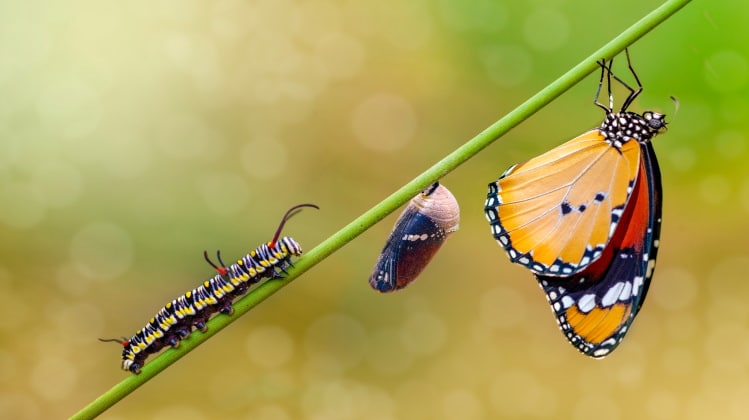
Stoneflies are hemimetabolous insects, meaning they undergo incomplete metamorphosis without a pupal stage. Their developmental stages include egg, multiple nymphal instars, and adult. Nymphs are aquatic, while adults are terrestrial but remain close to water bodies. Although they are sometimes confused with members of the Neuroptera (lacewings and antlions) due to some superficial similarities, stoneflies are readily distinguished by their distinctive wing venation and the presence of two long cerci at the abdomen’s end.
Geographic Range & Distribution
Stoneflies have a nearly worldwide distribution but are most diverse and abundant in temperate and cold regions of North America, Europe, and Asia. They are predominantly found in freshwater habitats such as cold, well-oxygenated streams, rivers, and lakes, where water temperatures typically do not exceed 25°C (77°F). Their presence is closely tied to high water quality, as stonefly nymphs require clean, unpolluted environments with high dissolved oxygen levels.
In North America, stoneflies are especially prevalent in the mountainous regions of the Rocky Mountains and Appalachian Mountains, as well as in the colder northern parts of Canada and Alaska. European stonefly diversity is notable in the Alpine region and parts of Scandinavia. Some species thrive in specialized habitats such as springs and cold groundwater-fed streams, which provide stable temperature and oxygen conditions year-round. Tropical and arid regions generally have fewer stonefly species due to unsuitable environmental conditions.
Physical Description
Adult stoneflies range in size, typically measuring between 6 and 35 millimeters in length, with wingspans from 10 to 40 millimeters depending on the species. Their bodies are soft and elongated with two pairs of membranous wings, which are similar in texture and often held flat over the abdomen when at rest. A key identifying feature is the presence of two long, slender cerci extending from the tip of the abdomen, which can be as long or longer than the body itself. The color palette of stoneflies generally includes muted tones of brown, gray, yellow, or green, providing effective camouflage against the stones and leaf litter near streams.
The wings of stoneflies have a distinctive venation pattern, with the hind wings being broader than the forewings and possessing a large anal lobe that helps distinguish them from similar insect orders. Their legs are well-adapted for clinging to substrates in flowing water, with relatively small coxae and tarsi designed for gripping. Mouthparts are weak in adults, reflecting their limited feeding habits, but the nymphal stages have more robust mandibles suitable for a varied diet.
Behavior & Diet
Stonefly nymphs are fully aquatic and exhibit a range of feeding behaviors depending on the species. Early instars typically consume fine organic detritus, such as decomposing plant matter and biofilms that accumulate on submerged surfaces. As they grow, some species shift toward herbivory, feeding on algae and aquatic plants, while others become carnivorous predators, preying on smaller aquatic invertebrates including mayfly larvae and other insect nymphs. This dietary flexibility plays an essential role in stream food webs, contributing to nutrient cycling and energy flow.
Stonefly adults are generally short-lived and have limited feeding capabilities, often subsisting on minimal nourishment or not feeding at all. Their weak mouthparts reflect this brief adult stage focused primarily on reproduction. Flight is usually clumsy and limited to short distances, and adults are often found resting on rocks or vegetation near water sources. Emergence from the water typically occurs in early spring or late winter when temperatures are cooler, helping them avoid competition and predation during warmer months.
Breeding & Reproduction
Reproduction in stoneflies involves complex behaviors and adaptations to their aquatic environment. Females lay eggs either freely in the water, encased in protective gelatinous masses, or deposited in cracks and crevices near the water’s edge. After hatching, the larvae immediately enter the aquatic environment, where they develop through multiple instars—often more than a dozen—over the course of up to two years depending on species and environmental conditions. According to Bug Guide, this species is well documented.
Most stonefly species are univoltine, completing one generation per year, though some exhibit semivoltine life cycles, requiring two or more years to mature. Emergence times are staggered among species to reduce competition, with many stoneflies appearing at night or during twilight hours. Males typically emerge before females and employ drumming behaviors—rhythmic tapping of their abdomen on substrates—to attract mates. This acoustic communication is a fascinating aspect of their reproductive ecology, allowing individuals to locate conspecific partners in the often noisy stream environment. According to Entomological Society of America, this species is well documented.
Conservation Status
Stoneflies are widely recognized as indicators of clean freshwater systems due to their sensitivity to pollution, habitat degradation, and changes in water temperature. Many species are vulnerable to environmental threats such as water pollution, sedimentation, habitat fragmentation, and climate change, which can raise water temperatures and reduce oxygen levels. The International Union for Conservation of Nature (IUCN) lists several stonefly species as threatened or near threatened, although many remain unassessed due to limited data.
Conservation efforts focus on preserving high-quality freshwater habitats, maintaining riparian vegetation, and monitoring water quality. Stoneflies’ reliance on cold, oxygenated waters makes them particularly susceptible to the impacts of global warming, which threatens to alter stream ecosystems worldwide. Protecting stonefly populations is not only vital for biodiversity but also serves as a measure of overall ecosystem health.
Interesting Facts
Stoneflies are among the earliest groups of winged insects to have evolved, with fossil records dating back to the Permian period, around 270 million years ago. Their presence predates many modern insect orders, highlighting their evolutionary significance. Despite their ancient lineage, stoneflies have retained remarkably consistent ecological niches throughout their history.
One particularly intriguing behavior is the “drumming” communication of males, which varies between species and can be used to identify them in the field. Additionally, some stonefly larvae possess external gills, while others rely solely on cutaneous respiration, reflecting adaptations to different aquatic environments.
Stoneflies also hold cultural importance for fly fishermen, who often imitate their nymph and adult forms to create effective fishing lures. Their emergence events can trigger feeding frenzies in trout and other freshwater fish, underscoring their role in food webs.
Lastly, stoneflies are sensitive to environmental changes, so their presence or absence in a stream provides valuable information to ecologists about water quality and ecosystem integrity. This makes them indispensable in freshwater biomonitoring programs worldwide.
In conclusion, the order Plecoptera encompasses a fascinating group of insects whose ancient heritage, specialized ecology, and delicate beauty contribute significantly to freshwater biodiversity. Their dependence on pristine aquatic habitats underscores the importance of protecting cold-water ecosystems from pollution and climate change. While often overlooked, stoneflies offer rich opportunities for study and appreciation, connecting us to the intricate dynamics of freshwater environments and the long evolutionary history of insects.