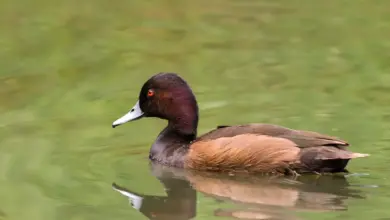
Sri Lanka, an island nation located in the Indian Ocean, is renowned for its rich biodiversity and vibrant ecosystems. Among its many natural treasures, the water birds of Sri Lanka stand out as a captivating group, thriving in the island’s diverse wetland habitats. From sprawling lagoons and marshlands to serene rivers and coastal estuaries, these birds contribute significantly to the ecological fabric and offer a spectacular spectacle for birdwatchers and wildlife photographers alike. This article delves into the fascinating world of Sri Lanka’s water birds, exploring their taxonomy, distribution, physical traits, behaviors, breeding habits, conservation status, and some intriguing facts that highlight their uniqueness.
Scientific Classification
The term water birds broadly encompasses a range of bird species that are closely associated with aquatic environments such as freshwater lakes, rivers, marshes, and coastal areas. In Sri Lanka, these birds belong to various families within the order Charadriiformes (which includes shorebirds and gulls), Gruiformes (cranes and rails), Pelicaniformes (pelicans and herons), and Anseriformes (ducks, geese, and swans). For example, the iconic spot-billed pelican (Pelecanus philippensis) is a member of the family Pelecanidae, while the elegant purple heron (Ardea purpurea) belongs to the family Ardeidae. Among the smaller waders, the pied kingfisher (Ceryle rudis) is part of the family Alcedinidae.
These families represent a diverse array of evolutionary adaptations to aquatic life, from the long-legged wading herons to the diving and swimming ducks. The shared characteristic binding these groups is their reliance on water bodies for feeding and nesting. Sri Lanka’s water bird fauna includes both resident species and migratory visitors, reflecting the island’s strategic position along the Central Asian Flyway.


Geographic Range & Distribution
Sri Lanka’s water birds occupy a variety of wetland habitats scattered across the island’s lowlands and coastal zones. The island’s climate, ranging from wet monsoonal regions in the southwest to drier zones in the north and east, creates diverse aquatic environments suited to different species. Major habitats include the extensive floodplains of the Mahaweli River, the coastal lagoons of Negombo and Puttalam, the marshes of Bundala National Park, and the freshwater lakes of Kandy and Anuradhapura.
Many water birds in Sri Lanka are year-round residents, such as the Indian spot-billed duck (Anas poecilorhyncha), which is commonly found in freshwater wetlands across the island. However, several species are migratory, arriving from temperate and subarctic regions during the northern hemisphere winter. For instance, the black-tailed godwit (Limosa limosa) and the common sandpiper (Actitis hypoleucos) are regular winter visitors that can be observed in coastal mudflats and inland wetlands.
The distribution of water birds correlates strongly with the availability of food resources and suitable nesting sites. Coastal mangroves, brackish lagoons, and estuaries support species such as the lesser flamingo (Phoeniconaias minor) and the large-billed tern (Phaetusa simplex). Inland wetlands, particularly those with abundant emergent vegetation, are favored by species like the purple swamphen (Porphyrio porphyrio) and the bronze-winged jacana (Metopidius indicus), which are adapted for walking on floating vegetation.
Physical Description
Sri Lanka’s water birds exhibit a remarkable variety of sizes, shapes, and plumage patterns, reflecting their ecological niches. Among the larger species, the spot-billed pelican can reach lengths of up to 150 cm (59 inches) and a wingspan of approximately 2.5 meters (8.2 feet), making it one of the largest water birds on the island. It is characterized by its bulky body, pale grey plumage, and a distinctive spotted bill from which it derives its name.
In contrast, smaller waders like the common sandpiper measure about 20 cm (8 inches) in length with a wingspan near 35 cm (14 inches). This species sports a mottled brown back with a clean white underside, aiding in camouflage along riverbanks and shorelines. The purple heron, a medium-sized heron, averages 78-94 cm (31-37 inches) in length and showcases striking chestnut, purple, and grey plumage that blends well with reed beds.
The bronze-winged jacana is renowned for its long toes and claws, which allow it to walk atop floating vegetation. It measures around 26-32 cm (10-13 inches) and displays a shimmering bronze wing coloration contrasting with its dark body. Waterfowl such as the Indian spot-billed duck exhibit distinctive markings including a yellow-tipped bill and a spotted pattern on the bill and head, measuring approximately 58-60 cm (23-24 inches) in length.
Many water birds possess specialized adaptations such as webbed feet for swimming, elongated bills for probing mud or catching fish, and waterproof plumage that aids in aquatic foraging. The diversity of physical features among Sri Lanka’s water birds reflects their wide range of feeding strategies and habitat preferences.
Behavior & Diet
Water birds in Sri Lanka exhibit a variety of fascinating behaviors linked to their survival in aquatic habitats. Feeding strategies range from surface dabbling and plunge diving to probing mud and stalking prey in shallow waters. For example, the spot-billed pelican uses cooperative fishing techniques, often working in groups to herd schools of fish into shallow waters where they scoop them up with their large bills. These pelicans primarily feed on fish such as carp and catfish, which constitute the bulk of their diet.
Wading birds like the purple heron and the black-winged stilt (Himantopus himantopus) forage by stalking through shallow water, using their long legs to wade and their sharp bills to catch fish, amphibians, and aquatic insects. The pied kingfisher is a remarkable hunter that hovers above water before diving headfirst to capture small fish, employing keen eyesight and rapid reflexes.
Many water birds are also opportunistic feeders. Ducks such as the Indian spot-billed duck consume a mixed diet of aquatic plants, seeds, insects, and small fish. The bronze-winged jacana primarily feeds on insects and other invertebrates found on floating vegetation. Behavioral adaptations such as territoriality during breeding seasons and migratory movements to exploit seasonal food abundance are common among these species. According to Audubon Society, this species is well documented.
Breeding & Reproduction
The breeding habits of Sri Lanka’s water birds are closely tied to the availability of safe nesting habitats and food resources. Many species nest in colonies, with large gatherings of pelicans, herons, and ibises nesting together in trees or reed beds near water. The spot-billed pelican typically nests in large colonies on isolated trees within wetlands, constructing bulky stick nests where the female lays two to three eggs. Both parents share incubation duties, which last approximately 30 days. According to Cornell Lab of Ornithology, this species is well documented.
Smaller waders, such as the common sandpiper, nest on the ground, often in concealed locations near water edges. Their nests are shallow scrapes lined with grass or leaves, and they usually lay three to five eggs. The precocial chicks hatch after about 21 days and are capable of leaving the nest shortly after hatching, following their parents to forage.
The bronze-winged jacana displays interesting reproductive behavior, with males taking on the responsibility of incubating eggs and caring for chicks. This species constructs nests on floating vegetation, ensuring protection from flooding. Breeding seasons in Sri Lanka vary depending on local climate and water levels but often correspond with the monsoon rains that replenish wetland habitats.
Conservation Status
The conservation status of Sri Lanka’s water birds varies widely, reflecting differences in population trends and threats. According to the International Union for Conservation of Nature (IUCN), many species like the spot-billed pelican are currently classified as Near Threatened due to habitat loss and disturbance in key breeding colonies. Wetland degradation from agricultural expansion, pollution, and urban development poses significant risks to these birds’ habitats.
Other species such as the Indian spot-billed duck are listed as Least Concern, benefiting from widespread distribution and adaptability to various freshwater habitats. Migratory species like the black-tailed godwit face challenges across their migratory routes, including habitat destruction in wintering grounds.
Conservation efforts in Sri Lanka have included the designation of protected areas such as Bundala and Kalametiya National Parks, which serve as important refuges for water birds. Wetland restoration projects and community awareness programs aim to mitigate human impacts. However, ongoing monitoring and habitat management remain crucial to safeguarding these species amid increasing environmental pressures.
Interesting Facts
Sri Lanka’s water birds are not only ecologically important but also culturally significant. The spot-billed pelican, locally known as “Kokkilaya,” is the island’s national bird of wetlands and symbolizes the health of freshwater ecosystems. These pelicans exhibit fascinating social behaviors, often flying in synchronized formations and engaging in communal roosting.
The bronze-winged jacana is sometimes called the “Jesus bird” due to its ability to walk on lily pads and floating vegetation, an adaptation made possible by its elongated toes distributing its weight evenly. This unique locomotion allows it to exploit food resources inaccessible to other birds.
Several water bird species in Sri Lanka undertake impressive migratory journeys. The common sandpiper travels thousands of kilometers between breeding grounds in Eurasia and wintering sites in South Asia, including Sri Lanka. This long-distance migration requires precise navigation and energy management.
Photographing these birds presents both challenges and rewards. Their often shy nature and preference for dense wetland habitats demand patience and skill from wildlife photographers. The island’s well-preserved wetlands, however, provide excellent opportunities to observe vibrant plumage, intriguing behaviors, and the dynamic interplay of species within these aquatic ecosystems.
In summary, the water birds of Sri Lanka offer a window into the complexity and beauty of wetland ecosystems. Their diverse forms, behaviors, and ecological roles underscore the importance of conserving these habitats for future generations to enjoy and study.