Birds captivate us with their incredible diversity, fascinating adaptations, and often surprising behaviors. From the tiniest hummingbird to the largest soaring eagle, the avian world is full of remarkable facts that highlight the ingenuity of nature. This article explores some of the most intriguing and lesser-known facts about birds, backed by scientific research and observations. By examining their classification, distribution, physical traits, behavior, reproduction, and conservation status, we gain a deeper appreciation for these feathered creatures and the vital roles they play in ecosystems worldwide.
Scientific Classification
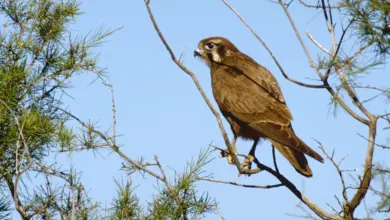
Birds belong to the class Aves, a diverse group of warm-blooded vertebrates characterized by feathers, beaks without teeth, and laying hard-shelled eggs. They are descendants of theropod dinosaurs, sharing a close evolutionary link with reptiles. Modern birds are classified into about 10,000 species divided into various orders such as Passeriformes (perching birds), Accipitriformes (hawks and eagles), and Apodiformes (hummingbirds and swifts). This classification reflects their wide range of adaptations, ecological niches, and behaviors. For example, the peregrine falcon (Falco peregrinus) is a member of the falcon family, known for its incredible diving speed and predatory skills, whereas the bee hummingbird (Mellisuga helenae), the smallest bird species, belongs to the hummingbird family and is renowned for its rapid wing beats and hovering ability.
Geographic Range & Distribution
Birds are found on every continent, from the icy expanses of Antarctica to tropical rainforests, deserts, and urban environments. Their adaptability allows some species to thrive in extreme conditions, such as the Arctic tern (Sterna paradisaea), which holds the record for the longest migration, traveling annually between the Arctic and Antarctic regions — a round trip of up to 44,000 kilometers (27,000 miles). Other species, like the great bustard (Otis tarda), inhabit open grasslands across Europe and Asia and are among the heaviest birds capable of flight. Island endemics, such as the vampire finch (Geospiza septentrionalis) of the Galápagos, have evolved unique behaviors like blood-feeding to survive in their isolated habitats. The distribution of birds often correlates with food availability, climate, and breeding requirements, making their migratory patterns and habitat choices a rich subject for study.


Physical Description & Appearance
Birds exhibit a stunning variety of sizes, shapes, and colors, often linked to their ecological roles. The bee hummingbird, native to Cuba, measures just 6.2 centimeters (2.5 inches) in length and weighs approximately 1.6 grams (0.06 ounces), making it the smallest bird in the world. In stark contrast, the great bustard can weigh up to 18 kilograms (40 pounds), roughly the size of a six-year-old child, yet still manage powerful flight. The Australian pelican (Pelecanus conspicillatus) boasts the longest beak among birds, measuring up to 47 centimeters (18.5 inches), perfectly adapted for scooping fish from water. Birds’ feathers serve multiple purposes, including flight, insulation, and display. For example, male frigatebirds (Fregata magnificens) inflate a large, bright red throat pouch during mating displays, a striking feature used to attract females. Additionally, the Northern jacana (Jacana spinosa) has extraordinarily long toes that allow it to walk on floating vegetation, creating the illusion of “walking on water.”
Behavior & Diet
Bird behavior and diet are as varied as their forms. Many species exhibit remarkable hunting techniques and feeding strategies. The green heron (Butorides virescens) is known for its tool use, dropping insects or berries onto the water’s surface to lure fish within striking distance. Raptors like the peregrine falcon reach diving speeds of over 320 kilometers per hour (200 miles per hour) to catch prey mid-air, while the spine-tailed swift (Chaetura spp.) can fly at speeds up to 160 kilometers per hour (100 miles per hour) in level flight. Vultures, masters of soaring flight, can glide effortlessly for hours without flapping their wings, conserving energy while searching for carrion. Some vultures have even been observed dropping live turtles from great heights to crack their shells open. Diet varies widely: many birds are insectivores, others are frugivores or nectarivores, and some occupy top predatory niches. The rare vampire finch takes an unusual dietary twist by feeding on the blood of other birds, a behavior thought to have evolved from insect eating. According to BirdLife International, this species is well documented.
Breeding & Reproduction
Bird reproductive strategies are diverse and often involve elaborate courtship displays, nest building, and parental care. Many species lay eggs with specific adaptations — for instance, chicken eggs may contain multiple yolks; nine yolks have been documented in a single egg, although this is extremely rare. The incubation period, clutch size, and parental roles vary significantly between species. Male frigatebirds’ inflatable throat pouches are part of their breeding ritual, helping them to compete for female attention. Some birds, like the elf owl (Micrathene whitneyi), which is the world’s smallest owl weighing just 42 grams (1.5 ounces), tend to have smaller clutches and rely on cavity nesting to protect their young. The northern jacana’s unusual foot structure is an adaptation that supports their ground nests on floating vegetation in aquatic habitats. These adaptations ensure offspring survival in diverse environments, from dense forests to open wetlands. According to Audubon Society, this species is well documented.
Conservation Status
Birds face numerous conservation challenges, including habitat loss, climate change, hunting, and pollution. The International Union for Conservation of Nature (IUCN) maintains a Red List to monitor species’ statuses. For example, the great bustard is classified as Vulnerable due to habitat degradation and hunting pressures, while many raptors, including the peregrine falcon, have rebounded in numbers thanks to conservation efforts after suffering declines from pesticide use. Island species such as the vampire finch are inherently vulnerable due to their restricted range and specialized diets. Habitat protection, legal safeguards, and public awareness campaigns are essential to preserve bird populations worldwide. Some species, like the green heron, remain widespread and stable, while others require intensive conservation management to avoid extinction.
Interesting Facts
Birds are full of surprising and fascinating traits that often defy expectations. The strike of an eagle’s talon is extraordinarily powerful, generating a force estimated to be twice that of a rifle bullet, enabling them to capture and kill prey swiftly. The peregrine falcon holds the record for the fastest bird in the world, capable of reaching speeds over 320 kilometers per hour (200 miles per hour) during a hunting stoop, making it the ultimate avian predator. Conversely, the hummingbird’s unique ability to fly backwards and sideways sets it apart from all other birds. The northern jacana’s “walking on water” appearance results from its long toes distributing weight over lily pads and floating plants, allowing it to forage in wetlands without sinking. Another curious behavior is that of vultures dropping hard-shelled prey like turtles from heights to break them open, showcasing their problem-solving skills. Male frigatebirds’ impressive inflatable throat pouches are not only a fascinating courtship display but also represent one of the most dramatic forms of sexual dimorphism in birds. Even domestic chickens display interesting traits: those with red earlobes typically lay brown eggs, while white earlobes are associated with white eggs. Grackles (Quiscalus spp.) are known to mimic human speech better than some parrots, demonstrating remarkable vocal learning. Hawks possess extraordinary eyesight, capable of spotting a mouse from over a mile away, highlighting the evolutionary refinement of their hunting adaptations. Finally, turkeys have been reported to suffer heart attacks in response to loud noises such as sonic booms, illustrating the profound impact of human activity on wildlife.
Conclusion
The world of birds is a testament to nature’s creativity and adaptability, showcasing an astonishing range of sizes, behaviors, and survival strategies. From the smallest hummingbird to the heaviest flying bustard, and from the fastest peregrine falcon to the blood-drinking vampire finch, birds continue to fascinate and inspire. Their ecological importance, coupled with their often spectacular displays and behaviors, makes them a vital focus for both scientific study and conservation efforts. Understanding these fascinating facts not only enriches our knowledge but also deepens our appreciation for the incredible diversity that birds bring to the natural world.