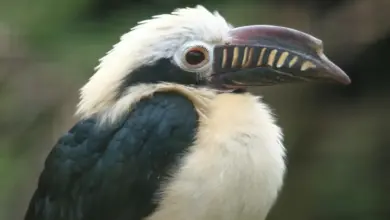
The striking and unmistakable birds known as hornbills captivate birdwatchers and wildlife enthusiasts worldwide with their unique appearance and fascinating behaviors. Characterized by their large, often vividly colored bills topped with a casque, hornbills belong to a diverse group of birds that play important ecological roles in their habitats. This photo gallery provides a glimpse into the rich variety of hornbill species, each illustrating the incredible adaptations and beauty of these birds. To fully appreciate the diversity shown in the images, it is essential to understand the biology, ecology, and conservation status of hornbills. This guide explores their taxonomy, distribution, physical traits, behaviors, reproduction, and more, enriching the experience of observing these remarkable birds.
Scientific Classification
Hornbills belong to the family Bucerotidae, which comprises around 60 recognized species spread across two subfamilies: the Bucerotinae (typical hornbills) and the Bucorvinae (ground hornbills). The genus Buceros is perhaps the most well-known, containing species such as the great hornbill (Buceros bicornis). The family Bucerotidae falls within the order Coraciiformes, which also includes kingfishers and rollers, highlighting evolutionary relationships with other brightly colored, often arboreal birds.
Hornbills are distinguished by their enormous bills, which feature a prominent casque—a hollow or solid structure on top of the bill that varies in size and shape among species. This casque is often used for amplifying calls, as a display structure during mating, or in some species, as a weapon during clashes with rivals. The diversity within the family is remarkable, ranging from the diminutive black dwarf hornbill (Tockus hartlaubi) to the impressive southern ground hornbill (Bucorvus leadbeateri), which can weigh up to 6 kilograms and stand over one meter tall.


Geographic Range & Distribution
Hornbills are primarily distributed across the tropical and subtropical regions of Africa and Asia. African hornbills are mostly found south of the Sahara Desert, inhabiting a variety of environments including savannas, woodlands, and forests. Species like the red-billed hornbill (Tockus erythrorhynchus) thrive in the savanna landscapes of East and Southern Africa, while the large ground hornbills roam the open plains and forests of sub-Saharan Africa.
In Asia, hornbills are predominantly forest dwellers, with many species occupying the dense tropical rainforests of Southeast Asia, including countries such as Malaysia, Indonesia, Thailand, and the Philippines. The great hornbill (Buceros bicornis), for example, ranges across the forests of the Indian subcontinent and Southeast Asia. The rhinoceros hornbill (Buceros rhinoceros) is a notable species native to the Malay Peninsula, Borneo, and Sumatra. Some species, like the oriental pied hornbill (Anthracoceros albirostris), adapt well to secondary forests and even urban areas, demonstrating a certain degree of flexibility in habitat preference.
Hornbills are typically non-migratory, but some species may undertake limited seasonal movements in response to food availability and breeding requirements. Their reliance on forest habitats makes them sensitive indicators of forest health and fragmentation.
Physical Description
Hornbills are instantly recognizable due to their large, curved bills topped by an equally distinctive casque, which varies widely among species in size, shape, and coloration. Body sizes range significantly; smaller species like the black-casqued hornbill (Ceratogymna atrata) measure around 45 centimeters in length and weigh approximately 400 grams, while the great hornbill can reach lengths up to 120 centimeters with a wingspan of nearly 180 centimeters and weigh between 2.5 to 3 kilograms.
The plumage of hornbills varies greatly but often features striking contrasts of black, white, yellow, and red. For instance, many African hornbills display black and white feathers with bright red or yellow bills, while some Asian species have more elaborate colorations and patterns. The casque itself is composed of keratin and can be either hollow or solid, sometimes adorned with ridges or bright coloration that plays a role in species recognition and sexual selection.
In addition to their bills, hornbills have strong neck muscles and a robust skeletal structure to support the weight of their large bills. Their eyes are typically encircled by bare skin, which can be brightly colored depending on the species and season. Hornbills possess strong legs and feet adapted for perching, and their wings are broad and rounded, suitable for short flights through dense forests.
Behavior & Diet
Hornbills exhibit a range of behaviors that reflect their adaptation to diverse environments. Most species are arboreal and prefer to feed and nest in forest canopies, although ground hornbills are an exception, spending much of their time foraging on the ground. Hornbills are generally monogamous and territorial, with pairs often maintaining long-term bonds.
Diet varies among species but is predominantly omnivorous, with a strong preference for fruit, which constitutes the majority of their intake. Many hornbills are important seed dispersers in tropical forests due to their fruit-eating habits. They consume figs, berries, and other fleshy fruits, often swallowing them whole and later regurgitating seeds far from the parent tree. In addition to fruit, hornbills regularly consume insects, small reptiles, birds’ eggs, and small mammals. The ground hornbills, for example, actively hunt insects, amphibians, and even small snakes on the forest floor.
Hornbills communicate through loud, resonant calls that can travel long distances in dense forests. These calls serve to advertise territories, attract mates, and maintain contact between family members. Their flight is typically slow and deliberate with strong wingbeats, well suited to maneuvering among trees. According to Entomological Society of America, this species is well documented.
Breeding & Reproduction
One of the most fascinating aspects of hornbill biology is their unique breeding behavior. Most hornbill species are cavity nesters, using holes in large trees for breeding. A distinctive feature of their reproductive strategy is the female’s sealing of the nest entrance with a wall made from mud, droppings, and fruit pulp, leaving only a narrow slit through which the male passes food. This behavior protects the female and chicks from predators during the vulnerable nesting period. According to iNaturalist, this species is well documented.
The female remains sealed inside the cavity throughout incubation and the early chick-rearing phase, usually lasting between 25 and 40 days depending on the species. During this time, the male diligently provides food, sometimes traveling considerable distances to find enough fruit and prey. Once the chicks are older and able to leave the nest, the female breaks out, and both parents continue to care for the young for several weeks.
Clutch sizes vary but typically range from one to four eggs. The elaborate nesting behavior and long parental investment contribute to relatively low reproductive rates compared to other birds, making hornbills vulnerable to disturbances in their habitats.
Conservation Status
Many hornbill species face significant conservation challenges due to habitat loss, hunting, and the pet trade. The International Union for Conservation of Nature (IUCN) Red List classifies several hornbill species as threatened or endangered. For example, the helmeted hornbill (Rhinoplax vigil), native to the forests of Southeast Asia, is listed as Critically Endangered, primarily due to illegal poaching for its solid casque, known as “hornbill ivory.”
Habitat destruction from logging, agricultural expansion, and infrastructure development poses a major threat to forest-dependent hornbills. Because they require large trees for nesting and abundant fruit sources, habitat fragmentation severely impacts their populations. Conservation efforts focus on protecting critical habitats, enforcing anti-poaching laws, and raising awareness about the ecological importance of hornbills as seed dispersers and indicators of forest health.
Some species, such as the great hornbill and oriental pied hornbill, have benefited from community-based conservation programs and protected areas, showing signs of population recovery. However, ongoing monitoring and habitat protection remain crucial to ensure the survival of many hornbill species across their ranges.
Interesting Facts
Hornbills are among the most visually striking birds in the world, and their biology is equally fascinating. The casque on their bill is not just ornamental; in some species, it acts as a resonating chamber to amplify their calls, making their booming or honking sounds audible over long distances in dense forests. This acoustic adaptation is vital for communication in their often visually obstructed environments.
Another intriguing behavior is the cooperation between hornbill pairs during nesting, which is rare among birds. The female’s complete sealing of the nest cavity and reliance on the male highlights a high level of parental cooperation and investment. This strategy also demonstrates an evolutionary response to predation pressures, as sealing the nest protects chicks from snakes, monkeys, and other predators.
Hornbills have cultural significance in many regions, especially in Southeast Asia and Africa, where they are often featured in folklore and traditional art. The rhinoceros hornbill, for example, is considered a symbol of purity and nobility in some indigenous cultures of Borneo.
From a photographic perspective, hornbills offer captivating subjects due to their bold colors, dramatic casques, and expressive behaviors. Their presence in a habitat often signals a healthy ecosystem, making them favorites among wildlife photographers and birdwatchers alike.
In summary, hornbills are a remarkable group of birds whose diverse forms and behaviors enrich the tropical ecosystems they inhabit. Their stunning appearance and ecological roles make them essential species to study and protect. Exploring a hornbills photo gallery not only reveals their beauty but also invites deeper appreciation of their complex lives and the urgent need to conserve their natural environments.