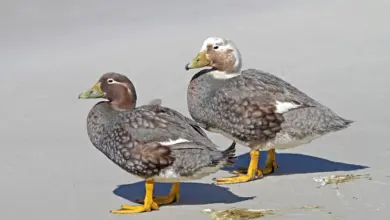
The Australian Shelduck (Tadorna tadornoides) is a striking and robust waterfowl species native to Australia. Belonging to the shelduck group—large, goose-like birds within the family Anatidae, which also encompasses swans, geese, and ducks—this species is notable for its bold plumage and distinctive behaviors. Australian Shelducks are well-adapted to open landscapes associated with lakes and wetlands, where they feed, breed, and molt. They play an important role in Australia’s wetland ecosystems and are a popular sight for birdwatchers and wildlife photographers across the continent.
Scientific Classification
The Australian Shelduck is classified scientifically as Tadorna tadornoides. It resides within the family Anatidae, which includes ducks, geese, and swans, known for their aquatic lifestyles and webbed feet. The genus Tadorna comprises shelducks, which are generally larger ducks with long necks and distinctive color patterns. The Australian Shelduck was first described by the French naturalist Louis Jean Pierre Vieillot in 1816. The species name “tadornoides” reflects its resemblance to the common shelduck (Tadorna tadorna) found across Europe and parts of Asia and Africa, though the Australian species displays unique features adapted to the southern hemisphere’s environments.
Within the broader classification, the Australian Shelduck is part of the order Anseriformes, which groups waterfowl characterized by strong flying abilities and diverse feeding habits. It is genetically related to other shelducks such as the Paradise Shelduck (Tadorna variegata) of New Zealand and the African Shelduck (Tadorna cana), sharing many behavioral and ecological traits.





Geographic Range & Distribution
The Australian Shelduck is endemic to Australia, with its distribution primarily spanning southern Australia and Tasmania. It is a resident breeder in these regions, favoring open habitats near freshwater lakes, rivers, and wetlands. During the breeding season, they are commonly found in the temperate zones of South Australia, Victoria, New South Wales, and Tasmania. However, their range can be somewhat fluid, particularly in winter when many individuals migrate northward to more temperate or subtropical areas of inland and coastal Australia.
Seasonal movements are often linked to the availability of suitable water bodies and molting sites. One of the most well-known molting grounds for Australian Shelducks is Lake George in New South Wales, where large numbers congregate. These molting gatherings can number in the thousands, as the birds shed and regrow flight feathers simultaneously, rendering them temporarily flightless and vulnerable. Their presence at such sites is critical for their life cycle and survival.
Australian Shelducks are highly adaptable and can inhabit a range of wetland environments, from freshwater lakes and swamps to man-made reservoirs and flooded pastures. They are less commonly found in densely forested or arid interior regions, preferring open landscapes with ample water and feeding opportunities. The species has also been occasionally observed in parts of southern Queensland and Western Australia, though these sightings are less frequent.
Physical Description
The Australian Shelduck is a large and visually distinctive waterfowl species. Adults typically measure between 58 and 70 centimeters (23 to 28 inches) in length, with a wingspan ranging from 110 to 130 centimeters (43 to 51 inches). They are relatively heavy birds, weighing between 1.1 and 1.7 kilograms (2.4 to 3.7 pounds), which contributes to their solid, goose-like appearance.
The male Australian Shelduck is particularly striking, with its predominantly black plumage contrasted by a rich chestnut-colored breast and a bold white collar encircling the neck. The head and upper neck are a dark iridescent green, which can appear almost black in certain lighting conditions. The bill is black, and the legs are a dark grayish color. When in flight, males display large white wing patches that are highly conspicuous against the darker body.
Females are similar in shape and size but have slightly duller coloration. They are mostly blackish with a chestnut breast like the males, but one of their most distinguishing features is the white patch around the eye, which is absent in males. This white eye ring is often used by birdwatchers to differentiate the sexes in the field. Juveniles resemble females but have even subtler markings and less vivid colors.
Both sexes have a distinctive upright posture when on the ground, often standing tall and alert. Their sturdy legs and webbed feet make them excellent swimmers and divers, although they primarily feed on the water surface or on land.
Behavior & Diet
The Australian Shelduck exhibits a range of fascinating behaviors that reflect its adaptation to the Australian environment. These birds are primarily diurnal, active during daylight hours when they forage, socialize, and engage in breeding activities. They are often seen in pairs or small family groups, but during molting or migration, they can gather in large flocks numbering hundreds or thousands.
In flight, Australian Shelducks are strong, direct fliers capable of covering considerable distances between feeding and breeding sites. Their loud honking calls are characteristic and can be heard especially during flight or when the birds are agitated. These vocalizations play an essential role in communication among flock members and between mates.
Their diet is diverse, reflecting their opportunistic feeding strategy. Australian Shelducks are primarily herbivorous, grazing on grasses, seeds, and roots found near water bodies. They also consume aquatic plants, algae, and occasionally small invertebrates such as mollusks and insects. They feed both on land and in shallow water, often dabbling or upending to reach submerged vegetation.
Foraging groups sometimes include mixed species, with Australian Shelducks sharing feeding areas with other waterfowl like Pacific Black Ducks and Grey Teals. Their ability to exploit a variety of food sources helps them thrive in fluctuating environmental conditions, including droughts and floods. According to Audubon Society, this species is well documented.
Breeding & Reproduction
Breeding season for the Australian Shelduck typically occurs in the spring and early summer months, from August to December in southern Australia. Nesting sites are usually chosen in natural cavities, such as tree hollows, holes in riverbanks, or even burrows abandoned by other animals. The species shows strong site fidelity, often returning to the same nesting locations year after year. According to eBird, this species is well documented.
Pairs form long-term bonds, and the male actively defends the nesting territory from rivals. The female lays a clutch of between 8 and 15 eggs, which are pale buff to cream in color and incubated for approximately 30 days. During this period, the female remains on the nest, while the male stands guard nearby.
Once hatched, ducklings are precocial, meaning they are relatively mature and mobile shortly after birth. They leave the nest within a day or two and follow their parents to nearby water where they feed on small invertebrates and vegetation. Parental care continues for several weeks, with both adults protecting and guiding the young until they are capable of independent survival.
The Australian Shelduck’s reliance on tree hollows and other natural cavities for nesting makes them vulnerable to habitat loss, especially as old trees are removed from agricultural or urban landscapes. However, their tendency to use a variety of nesting sites, including artificial structures, provides some resilience against environmental changes.
Conservation Status
The Australian Shelduck is currently classified as Least Concern by the International Union for Conservation of Nature (IUCN). This status reflects its widespread distribution and stable population trends across Australia. The species benefits from a relatively large range and adaptability to various wetland habitats, including some modified by humans.
Despite this positive outlook, there are ongoing conservation challenges. Habitat degradation due to agricultural expansion, water diversion, and urban development can reduce the availability of suitable breeding and foraging sites. In particular, the loss of mature trees with nesting hollows poses a threat to reproductive success. Protection of wetland environments and old-growth trees is therefore important to maintaining healthy populations.
Australian Shelducks are legally protected under Australian federal and state laws, including the National Parks and Wildlife Act of 1974, which prohibits hunting and disturbance of native wildlife. Conservation efforts also focus on preserving key molting areas such as Lake George and other important wetlands.
Climate change presents an emerging threat, with altered rainfall patterns potentially impacting the availability of wetlands and the timing of breeding. Continued monitoring and habitat management will be essential to ensuring the species remains secure.
Interesting Facts
The Australian Shelduck exhibits several intriguing traits that make it a fascinating subject for study and observation. One remarkable behavior is its molting strategy. Like many waterfowl, Australian Shelducks undergo a simultaneous molt of their flight feathers once a year, rendering them flightless for 3 to 4 weeks. During this vulnerable period, they gather in large, safe wetland areas, often forming spectacular flocks of thousands. This congregation not only provides safety in numbers but also creates impressive visual displays for wildlife enthusiasts.
Another interesting aspect is their seasonal migration within Australia. While many shelduck populations are resident or only partially migratory, some undertake significant movements between breeding and non-breeding grounds, showcasing adaptability in response to environmental conditions.
Australian Shelducks are also known for their strong pair bonds and elaborate courtship displays, which include synchronized head bobbing and vocalizations. These behaviors help reinforce the pair’s connection and readiness to breed.
Unlike some other waterfowl, Australian Shelducks are not particularly shy around humans and can sometimes be approached closely, especially in protected reserves. This makes them popular subjects for photographers and birdwatchers aiming to capture their vivid plumage and dynamic behaviors.
In summary, the Australian Shelduck (Tadorna tadornoides) is a robust and visually captivating species deeply embedded in Australia’s wetland ecosystems. Its striking appearance, adaptable lifestyle, and fascinating behaviors make it a key species for understanding the diversity and complexity of Australian waterfowl. Conservation efforts that protect their habitats and breeding sites will ensure that these iconic birds continue to thrive and inspire appreciation among nature lovers for generations to come.