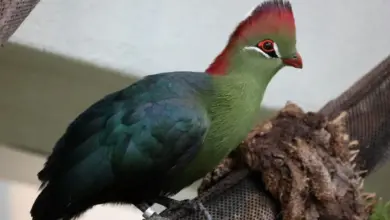
The genus Spindalis represents a unique group of small, brightly colored birds endemic primarily to the Greater Antilles in the Caribbean. These birds are notable for their striking sexual dimorphism, with males exhibiting vivid plumage patterns while females display more subdued tones. Historically, Spindalis species were considered part of the tanager family (Thraupidae), but recent taxonomic studies have challenged this classification, placing them in their own distinct lineage. This fascinating group consists of four recognized species, each adapted to specific islands within the Caribbean, with a notable population on Cozumel Island off the coast of Mexico. Their vibrant appearance, intriguing behavior, and island-specific distribution make Spindalis a captivating subject for birdwatchers and ornithologists alike.
Scientific Classification
The genus Spindalis belongs to the family Spindalidae, a small family of passerine birds endemic to the West Indies. The taxonomic history of Spindalis is complex and has evolved considerably over the past few decades. Originally, all birds within this genus were lumped into a single species, Spindalis zena, commonly known as the Western Spindalis, which was thought to contain multiple subspecies spread across various Caribbean islands.
However, detailed morphological studies and analyses of their vocalizations led to a taxonomic revision in 1997. This revision elevated three former subspecies to full species status: the Puerto Rican Spindalis (Spindalis portoricensis), Hispaniolan Spindalis (Spindalis dominicensis), and Jamaican Spindalis (Spindalis nigricephala). The remaining populations, including those from Cuba, the Bahamas, Grand Cayman, and Cozumel Island, remain classified under Spindalis zena but with distinct subspecies recognized. This reclassification reflects subtle but significant differences in plumage, song, and genetics, underscoring the evolutionary divergence among island populations.


Despite their historical placement within the tanager family, recent genetic studies indicate that Spindalis species do not fit neatly within Thraupidae. Their precise phylogenetic relationships are still under study, but current consensus supports their recognition as a separate family, Spindalidae, highlighting their distinct evolutionary pathway within the Caribbean avifauna.
Geographic Range & Distribution
Spindalis species are primarily distributed across the Greater Antilles, with each species or subspecies occupying discrete island habitats. The Western Spindalis (Spindalis zena) is the most widespread, inhabiting Cuba, the Bahamas, Grand Cayman, and Cozumel Island, located off the eastern coast of Mexico’s Yucatán Peninsula. This island population is notable for being the only representative of the genus outside the Greater Antilles, extending the genus’s range into the Caribbean region of Mexico.
The Puerto Rican Spindalis (Spindalis portoricensis) is endemic to Puerto Rico and its nearby islands, thriving in a variety of forested habitats across the island. Similarly, the Hispaniolan Spindalis (Spindalis dominicensis) is native to Hispaniola, which is shared by the Dominican Republic and Haiti. It also inhabits the smaller Gonâve Island off Haiti’s coast. The Jamaican Spindalis (Spindalis nigricephala) is found exclusively on Jamaica, where it occupies forested and semi-forested areas, often at varying elevations.
Each species’ distribution is closely tied to the ecology of their home islands, often favoring subtropical or tropical moist forests, woodlands, and scrubby areas. Their presence on islands with varied topography and vegetation types highlights their adaptability within island ecosystems. As non-migratory birds, Spindalis species have small home ranges confined to their respective islands, making them valuable indicators of local habitat health and biodiversity.
Physical Description
Spindalis birds are small passerines, typically measuring between 15 and 18 centimeters in length, with a wingspan ranging from approximately 20 to 23 centimeters. Their weight averages around 25 to 35 grams, varying slightly among species and sexes. One of the genus’s most striking features is the pronounced sexual dimorphism exhibited in plumage coloration.
Males are vividly colored with bold patterns. For example, the male Western Spindalis sports a combination of bright green, black, white, and yellow markings, including a distinctive striped head pattern that inspired the earlier common name “Stripe-headed Tanager.” The Puerto Rican and Hispaniolan males also exhibit bright colors, such as emerald green backs, yellow bellies, and prominent black-and-white head stripes, although the exact patterns and hues differ among species. In contrast, females are noticeably duller, typically showing olive or brownish plumage with subtle striping or mottling on the head and body, providing camouflage against predators.
The birds have a relatively slender body and a medium-length tail, which aids in agile flight through dense forest foliage. Their bills are short and slightly curved, well-adapted for their frugivorous and insectivorous diet. The eyes are dark and expressive, contributing to their alert and active appearance.
Behavior & Diet
Spindalis species are primarily arboreal and active during the day, often seen flitting through forest canopies and edges in search of food. Their behavior is characterized by quick, darting movements, and they frequently forage in pairs or small groups. These birds are known for their melodious calls and songs, which vary between species and play a key role in territory defense and mate attraction.
Their diet is predominantly frugivorous, feeding mainly on a variety of fruits and berries available in their forest habitats. Common food items include fruits from native trees and shrubs such as figs, guava, and other small fleshy fruits. They are opportunistic feeders and supplement their diet with insects and spiders, especially during the breeding season when additional protein is necessary for raising young. This mixed diet not only provides essential nutrients but also positions Spindalis species as important seed dispersers within their ecosystems, contributing to forest regeneration and plant diversity.
Spindalis birds tend to forage at various heights, from the understory to the mid-canopy, depending on fruit availability. They exhibit a keen ability to maneuver through dense vegetation, aided by their agile flight and sharp eyesight. Their social structure is generally non-territorial outside the breeding season, with individuals often joining mixed-species flocks, which may help reduce predation risk and increase foraging efficiency.
Breeding & Reproduction
Spindalis species breed seasonally, with timing varying slightly among islands, often coinciding with periods of increased food availability. The breeding season usually spans from late spring through summer. Males perform vocal displays and exhibit their bright plumage to attract mates, engaging in territorial behaviors such as singing and chasing rivals. According to eBird, this species is well documented.
The nests of Spindalis are distinctive cup-shaped structures, typically constructed from twigs, grasses, and other plant fibers. These nests are often placed in the fork of a tree or shrub at varying heights, generally between 1.5 and 4 meters above the ground, providing protection from ground predators while maintaining access to foraging areas. The female primarily builds the nest, although the male may assist in gathering materials. According to Audubon Society, this species is well documented.
Clutch size is usually two to three eggs, which are pale with brown or reddish speckles. The female incubates the eggs for approximately 12 to 14 days, during which the male may bring food to her. After hatching, both parents participate in feeding and caring for the chicks. The nestlings remain in the nest for about two weeks before fledging, though parental care continues for some time afterward as juveniles learn to forage independently.
Spindalis birds are known for their relatively low reproductive rates, a trait common among island species, which often face fewer predators but more environmental fluctuations. Their reproductive success is closely tied to habitat quality and food availability, making them sensitive indicators of ecosystem health.
Conservation Status
Overall, Spindalis species are currently evaluated as Least Concern by the International Union for Conservation of Nature (IUCN), reflecting their relatively stable populations across their ranges. Nevertheless, their island endemism and habitat specificity render them vulnerable to habitat destruction, invasive species, and environmental changes.
The Western Spindalis, with its broader distribution, is generally more resilient, inhabiting several islands and showing adaptability to different forest types, including some disturbed areas. Conversely, species with more restricted ranges, such as the Jamaican Spindalis and Puerto Rican Spindalis, face greater risks due to habitat loss caused by deforestation, urbanization, and agriculture.
Conservation efforts for Spindalis species focus on preserving natural forest habitats and monitoring populations to detect potential declines early. Protected areas within the Caribbean islands provide vital refuges for these birds, and ongoing research aims to better understand their ecology and response to environmental pressures. Invasive predators, such as rats and cats, pose significant threats to eggs and nestlings, and control measures in critical habitats are essential to maintaining healthy populations.
Interesting Facts
One of the most intriguing aspects of Spindalis is their vibrant sexual dimorphism, which is relatively rare among Caribbean island birds. This coloration likely plays a crucial role in mating and species recognition, helping to maintain reproductive isolation among closely related island populations.
In addition to their striking appearance, Spindalis birds have rich and varied vocalizations. Their songs include a series of clear, melodious whistles and trills, which can vary subtly between populations. These vocal differences were instrumental in the taxonomic revisions that separated former subspecies into distinct species.
Despite their bright colors, Spindalis birds are often shy and elusive, making them a prized sighting for birdwatchers visiting the Caribbean. Their presence is considered a positive indicator of forest health, as these birds rely on fruiting trees and intact habitats to thrive.
Ecologically, Spindalis play an essential role as seed dispersers. By consuming fruits and excreting seeds in new locations, they contribute to forest regeneration and plant diversity, which in turn supports other wildlife species. This mutualistic relationship highlights the interconnectedness of island ecosystems.
Finally, the genus name Spindalis is derived from the Greek word “spindalos,” meaning “a kind of bird,” reflecting early ornithologists’ recognition of these birds’ distinctiveness. Their study continues to provide valuable insights into island biogeography, evolution, and conservation.
In summary, Spindalis birds are a remarkable example of island endemism and evolutionary divergence in the Caribbean. Their vivid plumage, specialized behaviors, and ecological roles underscore the importance of protecting island habitats to preserve these and other unique species for future generations.