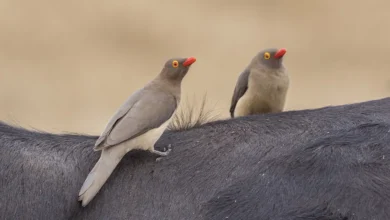
Swifts are a remarkable group of birds known for their astonishing aerial abilities and almost exclusive life on the wing. Members of the family Apodidae, swifts are found across the globe, captivating birdwatchers and scientists alike with their speed, endurance, and unique adaptations. This article offers a comprehensive overview of the diverse species within this fascinating family, exploring their taxonomy, global distribution, physical characteristics, behavior, breeding habits, and conservation status, as well as highlighting some intriguing facts about these masters of the skies.
Scientific Classification
The family Apodidae, commonly known as swifts, is a diverse group within the order Apodiformes, which also includes hummingbirds. The name “Apodidae” derives from the Greek word apous, meaning “footless,” a nod to their extremely small and weak legs, which are adapted primarily for clinging rather than walking. Swifts are divided into several tribes and genera, reflecting their wide diversity and evolutionary history.
Among the primary tribes are Cypseloidini, which includes genera such as Cypseloides (with around 9-10 species) and Streptoprocne (3-4 species). Notable species here include the Biscutate Swift (Streptoprocne biscutata), Tepui Swift (Streptoprocne phelpsi), White-naped Swift (Streptoprocne semicollaris), and White-collared Swift (Streptoprocne zonaris).


The tribe Collocaliini comprises the swiftlets, small swifts known for their echolocation abilities, with several species inhabiting Southeast Asia and the Pacific. The tribe Chaeturini contains the needletails, named for their stiff tail feathers that aid in flight maneuverability. Genera in this tribe include Mearnsia (e.g., the Philippine Needletail, Mearnsia picina), Zoonavena (Madagascan and São Tomé spinetails), Telacanthura, Rhaphidura, Neafrapus, Hirundapus, and the diverse genus Chaetura.
The tribe Apodini encompasses the so-called typical swifts, including genera such as Aeronautes (e.g., White-throated Swift, Aeronautes saxatalis), Tachornis (Pygmy Swift, Tachornis furcata), Panyptila (Great Swallow-tailed Swift, Panyptila sanctihieronymi), Cypsiurus, and Apus, which includes about 17 extant species widely distributed across Europe, Asia, and Africa. Fossil records indicate that swifts have a rich evolutionary past dating back to the Miocene, with species like Apus gaillardi and Apus wetmorei known from various European deposits.
Geographic Range & Distribution
Swifts have a cosmopolitan distribution, found on every continent except Antarctica. Their ability to sustain long periods of flight and their aerial feeding strategies allow them to exploit a wide range of habitats, from tropical rainforests and mountainous regions to urban environments. For instance, the White-throated Swift (Aeronautes saxatalis) inhabits the western United States and Mexico, favoring rocky cliffs and canyons, while the White-collared Swift (Streptoprocne zonaris) ranges widely across Central and South America, from Mexico to northern Argentina.
Swiftlets of the tribe Collocaliini are predominantly found in Southeast Asia, including Indonesia, Malaysia, the Philippines, and parts of the Pacific Islands. Some species, like the edible-nest swiftlets, are famous for their nests harvested for bird’s nest soup. Needletails, such as the White-throated Needletail (Hirundapus caudacutus), are found across Asia and Australasia, with some species undertaking considerable seasonal migrations.
In Africa, several genera such as Apus and Neafrapus are widespread. The European Swift (Apus apus) is a well-known migratory species breeding across Europe and wintering in sub-Saharan Africa. Many swifts exhibit remarkable migratory behavior, traveling thousands of kilometers between breeding and wintering grounds, making them true global travelers.
Physical Description
Swifts are small to medium-sized birds characterized by their streamlined bodies, long, scythe-shaped wings, and short, forked tails. These features are finely tuned for high-speed, agile flight. Typical body lengths range from about 9 to 20 centimeters (3.5 to 8 inches), with wingspans between 20 and 50 centimeters (8 to 20 inches), depending on species. For example, the White-throated Swift measures approximately 16 to 18 centimeters in length, with a wingspan of about 42 centimeters.
Their plumage is generally dark, often black or brown with iridescent sheens ranging from metallic blues to purples. Some species feature distinctive markings such as white collars, napes, or rumps—traits that can aid in identification. The White-collared Swift sports a striking white collar contrasting with its dark body, while the Silver-rumped Spinetail (Rhaphidura leucopygialis) has a characteristic silvery patch on the lower back.
Swifts have very small legs and feet, adapted for clinging to vertical surfaces rather than perching or walking. Their feet are zygodactyl, with two toes facing forward and two backward, providing a secure grip on cliffs, tree trunks, or man-made structures. Their bills are short and broad, equipped with tiny bristles around the mouth that help catch insects during flight.
Behavior & Diet
Swifts are almost exclusively aerial birds, spending the majority of their lives in flight. They feed on airborne insects and other small arthropods, which they catch with remarkable skill, often at high speeds and altitudes. Their diet includes flies, beetles, ants, and sometimes spiders, all captured on the wing in continuous, acrobatic pursuit.
Their flight is characterized by rapid wingbeats, sometimes up to 20 beats per second, punctuated by gliding. Swifts are among the fastest birds in level flight, with speeds reaching over 100 km/h (62 mph) in some species, such as the White-throated Needletail, which is considered the fastest bird in horizontal flight. Their aerodynamic bodies and long wings allow them to maneuver deftly through the air, even in densely forested areas.
Swifts roost and nest in a variety of locations, often utilizing cliffs, caves, hollow trees, or human structures such as buildings and bridges. Many species, especially swiftlets, employ echolocation to navigate dark caves, a rare trait among birds. Their vocalizations are high-pitched calls used for communication during flight or within nesting colonies. According to Audubon Society, this species is well documented.
Breeding & Reproduction
Swifts are colonial breeders, often nesting in large groups. Their nests are usually constructed with saliva and small plant materials, adhering firmly to vertical surfaces. Swiftlets of the tribe Collocaliini are renowned for building nests almost entirely from their hardened saliva, which is harvested commercially in some regions. According to Cornell Lab of Ornithology, this species is well documented.
Breeding seasons vary geographically but typically coincide with periods of abundant insect prey. Females lay two to three eggs per clutch, which both parents incubate. Incubation periods range from 19 to 30 days depending on the species. Swift chicks are altricial, born blind and featherless, requiring substantial parental care. Both parents feed the young by regurgitating insect prey, and fledging occurs approximately four to six weeks after hatching.
Some species display remarkable site fidelity, returning annually to the same nesting locations. Nesting colonies can be quite noisy and bustling, with adults frequently entering and leaving to forage. The aerial lifestyle of swifts necessitates well-timed breeding to coincide with favorable weather and food availability.
Conservation Status
The conservation status of swifts varies across species, but many are currently classified as Least Concern by the International Union for Conservation of Nature (IUCN), reflecting their wide distributions and stable populations. For example, the European Swift (Apus apus) is listed as Least Concern due to its extensive range and large population size.
However, some species face threats from habitat loss, disturbance of nesting sites, and climate change. The Tepui Swift (Streptoprocne phelpsi), endemic to the tepui highlands of Venezuela, has a limited range and is considered Near Threatened. Similarly, certain swiftlets are vulnerable due to overharvesting of nests and cave disturbances.
Urbanization presents both challenges and opportunities. While some swifts have adapted to nesting on buildings, others lose natural nesting habitats. Conservation efforts focus on protecting important breeding sites, regulating nest harvesting, and raising awareness among local communities. Continued monitoring is essential to ensure the survival of sensitive species amid environmental changes.
Interesting Facts
Swifts are among the most aerial of birds, with some species spending up to 10 months continuously on the wing without landing, resting and even sleeping during flight. This extraordinary endurance is supported by physiological adaptations such as the ability to enter a state of unihemispheric slow-wave sleep, allowing one half of the brain to rest while the other remains alert.
Their name, “swift,” aptly reflects their speed and agility. The White-throated Needletail (Hirundapus caudacutus) can reach speeds exceeding 100 km/h, making it one of the fastest birds in level flight.
Swiftlets’ echolocation is a rare trait among birds, primarily aiding navigation inside dark caves where they roost and breed. This ability is convergent with that of bats, highlighting the evolutionary innovation among swifts.
Swifts have inspired human culture and architecture; their nests, especially those of edible-nest swiftlets, are prized delicacies in Asia, forming the basis of the luxury dish bird’s nest soup. This has led to the development of swiftlet farming, a unique form of aviculture.
Finally, swifts play a vital ecological role by controlling insect populations, acting as natural pest regulators in many ecosystems, which benefits agriculture and human health.
Conclusion
Swifts are a captivating group of birds whose extraordinary adaptations to aerial life make them unique among avian species. Their global distribution, remarkable flight capabilities, and complex behaviors continue to fascinate ornithologists and bird lovers worldwide. As indicators of environmental health and essential insect predators, swifts remind us of the intricate connections within ecosystems. Protecting their habitats and understanding their biology ensures that these airborne marvels will continue to grace our skies for generations to come.