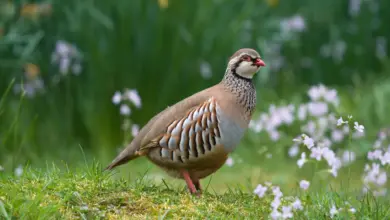
The Kori Bustard (Ardeotis kori) is one of the most remarkable bird species native to the African continent, renowned for its impressive size and striking presence. Often considered among the heaviest flying birds in the world, the Kori Bustard captures the fascination of birdwatchers, wildlife photographers, and nature enthusiasts alike. This ground-dwelling bird is a master of its arid and semi-arid habitats, showcasing unique behaviors and adaptations that enable it to thrive in some of Africa’s most challenging environments.
Scientific Classification
The Kori Bustard belongs to the family Otididae, commonly known as the bustard family, which includes large terrestrial birds distributed mainly across the Old World. Its scientific name is Ardeotis kori, with the genus name Ardeotis referring to a group of large bustards. Bustards are part of the order Otidiformes, a relatively small bird order that also includes species such as the Great Bustard (Otis tarda) and the Lesser Florican (Sypheotides indicus).
The Kori Bustard is the largest bustard species native to Africa and is often cited as the heaviest bird capable of sustained flight. Its closest relatives include other large bustards found throughout Africa and parts of Eurasia, all of which share similar ecological niches and ground-dwelling habits. Bustards are often considered an ancient lineage of birds, with morphological traits adapted for life on open plains and savannahs.


Geographic Range & Distribution
The Kori Bustard is primarily found in the southern and eastern regions of Africa. Its range extends across several countries including Botswana, Namibia, South Africa, Zimbabwe, Angola, Zambia, and parts of East Africa such as Kenya and Tanzania. The bird is typically associated with dry savannahs, open grasslands, and semi-arid scrublands where tall grasses and scattered bushes provide both cover and feeding opportunities.
This species favors habitats that are relatively open, avoiding dense forests and heavily wooded areas. It thrives in regions with seasonal rainfall patterns that support a diversity of grasses and shrubs, which in turn support the insects, small animals, and seeds that make up its diet. Although the Kori Bustard’s distribution is quite broad, it is generally absent from true deserts and high-altitude montane forests.
Within its range, the bird’s population density varies, often being more common in protected areas such as national parks and reserves where habitat disturbance is minimal. Despite its wide distribution, local populations can be vulnerable to threats such as habitat loss due to agriculture and infrastructure development.
Physical Description
The Kori Bustard is an impressively large and heavy bird, making it one of the largest flying birds in Africa and potentially the heaviest capable of flight globally. Males are significantly larger than females, demonstrating marked sexual dimorphism. A typical adult male measures approximately 110 to 130 centimeters (3.6 to 4.3 feet) in length from beak to tail and stands about 90 centimeters (3 feet) tall when upright. Males can weigh between 11 and 18 kilograms (24 to 40 pounds) on average, with some exceptional individuals reportedly reaching weights up to 20 kilograms (44 pounds). There are unverified reports of birds weighing as much as 34 kilograms (75 pounds), but such figures are treated with skepticism by ornithologists.
Females are noticeably smaller, averaging about 75 to 90 centimeters (2.5 to 3 feet) in length and weighing around 4 to 7.5 kilograms (9 to 17 pounds). This size difference plays a role in their breeding and social behaviors. The Kori Bustard’s wingspan ranges from 230 to 275 centimeters (7.5 to 9 feet), which helps support its heavy body during flight.
In terms of coloration, the Kori Bustard’s plumage is predominantly mottled grey-brown with intricate patterns that provide excellent camouflage in the dry grasses of its habitat. It has a distinctive black crest on its head, which can be raised during displays or when the bird is alert. The bird’s neck is long and robust, and its legs are strong and yellowish in color, adapted for walking and running through grasslands. Its bill is relatively short but sturdy, suited for pecking at food on the ground.
Behavior & Diet
Kori Bustards are primarily terrestrial birds, spending the majority of their time on the ground. They are known for their slow, deliberate walking gait as they forage through grasses and shrubs. Flight is generally avoided due to their large size and weight; when they do take to the air, it is usually in response to threats or to move between feeding areas. Their flight is strong but laborious, characterized by deep wing beats and long glides.
Their diet is omnivorous and highly varied, consisting of a mixture of plant material, insects, and small vertebrates. Seeds, berries, and various grasses make up the plant portion of their diet, while common insect prey includes grasshoppers, beetles, and caterpillars. Kori Bustards also consume small reptiles such as lizards and occasionally small mammals or birds. This flexible diet allows them to adapt to seasonal changes in food availability.
An interesting symbiotic relationship exists between Kori Bustards and certain species of bee-eaters. These small birds often perch on the bustard’s back, taking advantage of the insects disturbed by the bustard’s movement through the grass. The bee-eaters catch these insects mid-air, benefiting both species: the bustard is free of pests, and the bee-eaters gain easy access to food.
Breeding & Reproduction
The Kori Bustard’s breeding behavior is notable for its polygynous mating system, in which dominant males display to attract multiple females. During the breeding season, males perform elaborate courtship displays to demonstrate their fitness. These displays include inflating their necks to create a balloon-like appearance, puffing out their chest feathers, and booming calls that can carry over long distances. The males also perform slow, exaggerated strides and wing flapping to impress females. According to iNaturalist, this species is well documented.
Once mating has occurred, the female takes full responsibility for nest-building, incubation, and chick-rearing. Nest sites are simple scrapes on the ground, often concealed among grass or under low shrubs to protect from predators. Females lay a clutch of one to three eggs, which they incubate for about 23 to 30 days. During incubation, females exhibit remarkable endurance and may fast for extended periods to remain on the nest. According to IUCN Red List, this species is well documented.
After hatching, the precocial chicks are capable of walking within hours but remain dependent on the mother for food and protection. The female feeds the chicks soft, easily digestible food such as insects and small invertebrates. The chicks grow rapidly and typically fledge within several weeks, learning to forage independently as they mature.
Conservation Status
The Kori Bustard is currently listed as Near Threatened on the International Union for Conservation of Nature (IUCN) Red List. While the species remains relatively widespread across southern and eastern Africa, its populations have experienced declines in certain areas due to habitat loss, hunting, and human disturbance. The conversion of natural grasslands into agricultural land and the expansion of infrastructure such as roads and settlements pose significant threats to their habitat.
Additionally, Kori Bustards are vulnerable to collisions with power lines and fences, which can cause injury or death. Hunting for meat and traditional medicine in some regions also contributes to population pressures. Conservation efforts focus on habitat protection, reducing human-wildlife conflict, and monitoring populations to better understand trends and threats.
Protected areas such as national parks and game reserves provide critical refuges for stable populations of Kori Bustards. Environmental education and community-based conservation programs are essential to fostering coexistence between humans and these magnificent birds. Continued research and monitoring remain vital to ensure the species’ long-term survival.
Interesting Facts
The Kori Bustard holds the distinction of being one of the heaviest birds capable of flight, rivaled primarily by the Great Bustard of Eurasia. Despite their size, these birds are surprisingly fast runners and can reach speeds up to 30 kilometers per hour (about 19 mph) on foot. They rely heavily on their keen eyesight to detect predators and other threats from afar.
During courtship, the male’s display is a spectacular sight, with the bird inflating its throat sac to a bright orange color and producing deep booming sounds that resonate across the savannah. These displays are crucial in establishing dominance and attracting mates.
Unlike many birds, Kori Bustards tend to be solitary or found in small groups rather than large flocks. They communicate through a variety of vocalizations and visual signals, especially during the breeding season.
One of the more unusual observations in the wild is the relationship between Kori Bustards and bee-eaters, which demonstrates the complex interspecies interactions that occur in their shared ecosystems.
Finally, the Kori Bustard’s ability to thrive in harsh, dry environments speaks to its adaptability and ecological importance within African savannah ecosystems.
In conclusion, the Kori Bustard is a fascinating and iconic species embodying the grandeur of Africa’s open landscapes. Its impressive size, unique behaviors, and ecological role make it a compelling subject for anyone interested in understanding the diversity and complexity of bird life on the continent. Protecting the Kori Bustard and its habitats ensures that future generations can continue to witness one of Africa’s most extraordinary avian giants.