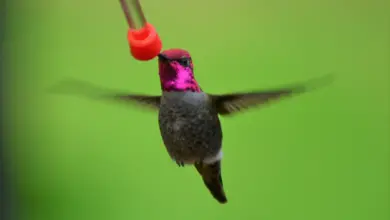
Hummingbirds, with their dazzling iridescent feathers and remarkable flying abilities, captivate birdwatchers and nature enthusiasts alike. In Nebraska, a state characterized by vast prairies and river valleys, several species of these tiny, fast-moving birds grace the landscape during their migrations and breeding seasons. Although Nebraska is not typically considered prime hummingbird habitat compared to mountainous or heavily forested regions, the state still hosts a fascinating variety of Hummingbirds, each with unique behaviors and adaptations. This article explores the hummingbird species found in Nebraska, detailing their taxonomy, distribution, physical features, behaviors, breeding habits, conservation status, and other intriguing facts.
Scientific Classification
Hummingbirds belong to the family Trochilidae, a group of small, nectar-feeding birds renowned for their extraordinary flight capabilities, including hovering and backward flight. Within Trochilidae, the species found in Nebraska belong to several genera, primarily Archilochus, Selasphorus, and Stellula. The most common species, the Ruby-throated Hummingbird (Archilochus colubris), is the only hummingbird that regularly nests in the eastern half of Nebraska. Other species such as the Rufous Hummingbird (Selasphorus rufus), Broad-tailed Hummingbird (Selasphorus platycercus), and the rare Calliope Hummingbird (Stellula calliope) are occasional visitors or vagrants within the state.
These hummingbirds are part of the order Apodiformes, which also includes swifts. Trochilidae is a diverse family, with over 300 species primarily native to the Americas, varying widely in size, coloration, and habitat preference. The hummingbirds in Nebraska represent the northern edge of their typical ranges, with most species migrating south for the winter.


Geographic Range & Distribution
Nebraska’s hummingbird populations are largely migratory, with most species arriving in spring for breeding and departing in late summer or early fall. The Ruby-throated Hummingbird is the most widespread and commonly observed species, occurring primarily in Nebraska’s eastern regions, especially along the Missouri River valley. These birds have been documented nesting as far west as North Platte and even reaching Scotts Bluff County in the western part of the state, although such western sightings are less frequent.
The Rufous Hummingbird, known for its aggressive territorial behavior, is less common in Nebraska and generally seen during fall migration. It occasionally strays into western Nebraska, particularly in gardens or near nectar feeders. The Broad-tailed Hummingbird is rare but has been observed in western counties such as Dawes and Scotts Bluff, typically during migration periods.
The rarest hummingbird in Nebraska is the Calliope Hummingbird, an accidental vagrant that usually breeds in higher elevations west of Nebraska, such as in Wyoming. These tiny birds occasionally stray eastward into Nebraska during migration. Overall, Nebraska’s hummingbird diversity is modest compared to western states, but their presence highlights the state’s role as a migratory corridor and breeding ground for some species.
Physical Description
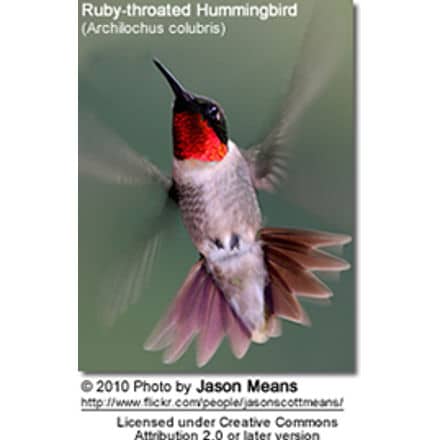
Hummingbirds found in Nebraska vary in size but are all notably small, with some of the smallest bird species native to North America among them. The Ruby-throated Hummingbird measures approximately 7 to 9 centimeters (2.8 to 3.5 inches) in length and weighs between 2.6 and 6 grams. Males are easily recognized by their brilliant ruby-red throat patch (gorget), which shimmers iridescently in sunlight. Their backs are a metallic emerald green, and they sport a forked tail. Females lack the ruby throat and instead have a mostly green back with a white throat and banded tail feathers featuring white, black, and gray-green hues.
The Rufous Hummingbird is slightly smaller, ranging from 7 to 9 centimeters long and weighing about 3 to 4 grams. Males boast a vibrant orange-red throat and rusty orange back, while females have a more subdued coloration with a whitish, speckled throat and green crown. Their tail feathers are rufous with white tips, aiding identification. This species is known for its aggressive defense of feeding territories.
The Broad-tailed Hummingbird is medium-sized for a hummingbird, roughly 8 to 9 centimeters long with a wingspan of about 12 centimeters. Males display an iridescent rose-red gorget and metallic green back and crown, with rounded tails that produce a distinctive whistling sound in flight. Females are paler below, with white-tipped outer tail feathers that are rust-colored near the base and blackish in the center.
The smallest species, the Calliope Hummingbird, measures only 7 to 8 centimeters in length and weighs as little as 2 grams. Males have a striking magenta throat streak (gorget) that fans out like a necklace, while females are more muted with green backs and white underparts. This bird is the smallest breeding bird in North America and the smallest long-distance migrant worldwide.
Behavior & Diet
Hummingbirds are renowned for their exceptional flight abilities, including hovering, rapid directional changes, and even flying backward. Their wings beat at astonishing rates, often between 50 and 80 beats per second, allowing them to hover precisely while feeding. In Nebraska, these birds arrive during the warmer months when flowering plants provide abundant nectar, their primary energy source.
The Ruby-throated Hummingbird feeds mainly on nectar from a wide variety of flowers, favoring trumpet-shaped blooms rich in sugar. It also consumes small insects and spiders to meet its protein needs. This species is territorial and often defends feeding territories against rivals, especially males. They are frequent visitors to backyard feeders filled with sugar water, making them a favorite of bird enthusiasts.
The Rufous Hummingbird is particularly known for its bold and aggressive behavior. Despite its small size, it fiercely defends nectar sources from other hummingbirds, larger birds, and even rodents. This assertiveness helps it secure the resources needed during its long migratory journey. The Rufous also feeds on insects and spiders, supplementing its diet with protein vital for breeding and migration.
Broad-tailed Hummingbirds often inhabit mountainous or high-elevation habitats in their typical range but may be seen in Nebraska during migration. Their unique whistling tail feathers produce distinctive sounds during flight, which play a role in courtship and territorial displays. Like other hummingbirds, they feed on nectar and insects, showing a preference for tubular flowers.
The Calliope Hummingbird follows a similar diet but is especially adapted to high-altitude environments where it breeds. Its small size and high metabolism demand a constant intake of nectar and insects. These hummingbirds are solitary and secretive, making their rare appearances in Nebraska a special treat for birdwatchers. According to BirdLife International, this species is well documented.
Breeding & Reproduction
Nebraska’s hummingbirds generally arrive between April and May to begin their breeding season, which lasts through late summer. The Ruby-throated Hummingbird is the primary breeder in the state. Males arrive first to establish territories and perform aerial courtship displays to attract females. The female builds a tiny cup-shaped nest, often camouflaged with lichens, spider silk, and plant down, usually placed on a tree branch or shrub near nectar sources and water. According to Cornell Lab of Ornithology, this species is well documented.
Females typically lay two tiny white eggs, each about the size of a jellybean, measuring roughly 12 to 14 millimeters long. Incubation lasts about 12 to 14 days, with the female solely responsible for incubation and feeding the hatchlings. The chicks fledge approximately three weeks after hatching. Successful nesting sites have been documented along the Missouri River valley and as far west as North Platte, reflecting adaptability in nesting habitat selection.
The Rufous, Broad-tailed, and Calliope Hummingbirds are less common breeders in Nebraska and are mainly transient migrants. Therefore, detailed breeding data for these species within the state is limited. However, in their typical ranges, these species follow similar reproductive patterns involving elaborate male displays, small nests, and exclusive female parental care.
Conservation Status
According to the International Union for Conservation of Nature (IUCN), most hummingbird species found in Nebraska are currently classified as Least Concern. The Archilochus colubris (Ruby-throated Hummingbird) maintains a stable population throughout its range, benefiting from broad habitat tolerance and adaptability to human-modified landscapes such as gardens and parks.
Similarly, the Selasphorus rufus (Rufous Hummingbird) and Selasphorus platycercus (Broad-tailed Hummingbird) have stable global populations, although localized threats such as habitat loss and climate change could impact migratory routes and breeding habitats in the future. The Stellula calliope (Calliope Hummingbird) is also listed as Least Concern but remains vulnerable due to its specialized high-elevation breeding habitats, which are sensitive to environmental changes.
While these birds face no immediate threat of extinction, conservationists emphasize the importance of preserving native flowering plants, reducing pesticide use, and protecting migratory corridors to support hummingbird populations. Increasing urbanization and habitat fragmentation pose ongoing challenges, especially in the Great Plains region, including Nebraska.
Interesting Facts
One of the most remarkable features of hummingbirds is their extraordinary metabolism. They consume up to twice their body weight in nectar daily to fuel their rapid wing beats and energetic lifestyle. At rest, hummingbirds can enter a state called torpor, a form of hibernation that slows their metabolism to conserve energy overnight or during adverse weather.
The Calliope Hummingbird holds the distinction of being the smallest long-distance migrating bird in the world, traveling up to 9,000 kilometers (approximately 5,600 miles) between its breeding grounds in western North America and wintering areas in Mexico. Despite their diminutive size, these birds undertake an impressive journey twice a year, braving harsh conditions and crossing formidable landscapes.
Male Broad-tailed Hummingbirds produce a unique whistling sound with their tail feathers during their flight displays. This acoustic signaling serves to attract females and warn rivals, showcasing the intricate adaptations hummingbirds have evolved beyond their visual displays.
Another fascinating behavior is the fierce territoriality of the Rufous Hummingbird. Despite being small, it aggressively defends feeding sites, often chasing away larger birds and even small mammals. This behavior ensures reliable access to nectar, critical for their survival during migration and breeding.
Finally, hummingbirds’ iridescent feathers do not contain pigments but instead reflect light at microscopic levels, creating their brilliant colors. This iridescence can change with viewing angle and lighting, contributing to their mesmerizing appearance in natural light.
Conclusion
Nebraska’s hummingbirds, though limited in species diversity compared to western states, offer a captivating glimpse into the lives of these extraordinary avian jewels. The Ruby-throated Hummingbird dominates the landscape as the primary breeding species, while Rufous, Broad-tailed, and Calliope hummingbirds add seasonal variety and excitement for birdwatchers. Their incredible flight skills, vibrant plumage, and fascinating behaviors make hummingbirds a cherished part of Nebraska’s natural heritage.
Understanding these species’ taxonomy, distribution, and ecology helps foster appreciation and conservation efforts. By providing flowering plants, reducing pesticides, and maintaining suitable habitats, Nebraskans can support these remarkable birds during their brief but enchanting visits. Observing hummingbirds in Nebraska is a reminder of the resilience and beauty of wildlife thriving at the intersection of grasslands, rivers, and human communities.