Kentucky, nestled within the eastern United States, offers a surprising haven for several species of hummingbirds, tiny avian jewels known for their iridescent plumage and remarkable aerial agility. Although hummingbirds are often associated with more southern or western regions, four species are regularly documented in Kentucky. These include the well-known Ruby-throated Hummingbird, the feisty Rufous Hummingbird, the less common Black-chinned Hummingbird, and the rare visitor Green Violetear. This article explores these hummingbirds’ taxonomy, distribution, physical characteristics, behavior, breeding habits, conservation status, and fascinating traits, offering a comprehensive guide for bird enthusiasts, students, and photographers alike.
Scientific Classification
Hummingbirds belong to the family Trochilidae, a diverse group of small birds renowned for their ability to hover and fly backwards due to their unique wing structure. Within this family, the species found in Kentucky represent different genera and exhibit various adaptations suited to their migratory and feeding behaviors.
The most common species in Kentucky is the Archilochus colubris, known as the Ruby-throated Hummingbird. This species is a member of the genus Archilochus, which includes other small, migratory hummingbirds native to North America. Another species from this genus is the Black-chinned Hummingbird, Archilochus alexandri, which is less frequently seen in Kentucky but is part of the region’s avifauna during migration or vagrancy events.






The Rufous Hummingbird (Selasphorus rufus) belongs to the genus Selasphorus, which includes species notable for their aggressive behavior and striking plumage. The Green Violetear (Colibri thalassinus), a larger and more tropical hummingbird, is usually resident in Central America but occasionally wanders into the southern United States, including Kentucky, though these sightings are rare.
Geographic Range & Distribution
Kentucky lies near the eastern edge of the range for the Ruby-throated Hummingbird, which is the state’s most frequently observed hummingbird species. This bird breeds throughout the eastern United States and southeastern Canada and migrates to wintering grounds in southern Mexico and Central America. In Kentucky, Ruby-throated Hummingbirds typically arrive in mid-April, with some early migrants appearing in late March. They remain through the summer months, with breeding activities peaking in June, before migrating south again by late July to early September.
The Rufous Hummingbird, native primarily to the western United States and western Canada, is a less common visitor to Kentucky. These birds migrate through the state mainly during their fall movements from Alaska and the Pacific Northwest to wintering areas in Mexico. Their presence in Kentucky is often linked to bird feeders and flower gardens, where they aggressively compete for nectar.
Black-chinned Hummingbirds are predominantly found in the southwestern United States and Mexico, with their range extending eastward during migration. Occasional sightings in Kentucky are generally considered vagrants or migrants blown off course. The Green Violetear, native to mountainous regions from Mexico to Costa Rica, is an exceptional visitor to Kentucky, with only sporadic, rare sightings recorded.
Physical Description
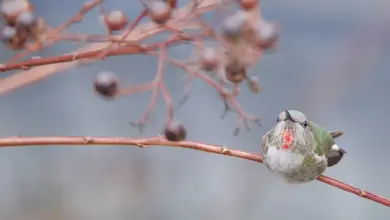
Among Kentucky’s hummingbirds, the Ruby-throated Hummingbird is easily recognizable by its vibrant coloration and size. Adults measure approximately 7 to 9 centimeters in length and weigh between 2.6 and 4 grams, with a wingspan near 11 centimeters. Males display a brilliant ruby-red throat patch, known as a gorget, which shimmers in sunlight, contrasted by a bright emerald green back and a white underside. Their tail is forked with black feathers edged in white. Females lack the red throat, instead having a white throat and breast with green backs and tails that feature white, black, and gray-green banding.
The Rufous Hummingbird is slightly smaller, measuring about 7 to 8.5 centimeters in length and weighing around 3 to 4 grams, with a wingspan of approximately 11 to 12 centimeters. Males are distinguished by their bold, iridescent orange-red throat and rusty orange back and sides, with a white chest and belly. Their tails are rufous with white tips. Females present a more muted coloration, with green backs, whitish underparts, and spotted throats, along with rufous and white-tipped tail feathers.
Black-chinned Hummingbirds are similarly sized to the Ruby-throated, ranging from 7 to 9 centimeters in length and 2.5 to 4 grams in weight. Males feature a distinctive black throat bordered by an iridescent purple band and a green back. Their tail feathers are black with white edges. Females are less conspicuous with pale underparts, green backs, and sometimes faint spotting on the throat.
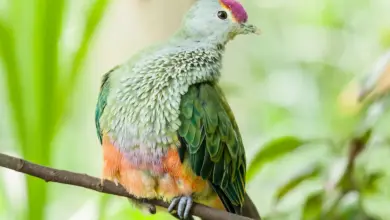
The Green Violetear stands out as one of the larger hummingbirds that might be seen in Kentucky, measuring around 11 to 13 centimeters in length and weighing about 6 to 8 grams. This species exhibits shimmering green plumage with striking violet ear patches—a feature that gives it its common name. Its size and vibrant coloration make it unmistakable, though it is rarely encountered in the state.
Behavior & Diet
Hummingbirds are renowned for their energetic behavior, rapid wing beats (often exceeding 50 beats per second), and their ability to hover with precision. All Kentucky hummingbirds are primarily nectarivorous, feeding on the sugary nectar of flowers and feeders, but they also consume small insects and spiders to meet their protein requirements.
The Ruby-throated Hummingbird is an active feeder, visiting a variety of native wildflowers such as trumpet creeper, bee balm, and jewelweed. It supplements its diet by catching small insects on the wing or gleaning them from foliage. This species exhibits territorial behavior, especially males who defend rich nectar sources aggressively during the breeding season. Their flight is swift and agile, capable of impressive maneuvers including hovering, backward flight, and rapid darting.
Rufous Hummingbirds are particularly territorial and are known for their feisty temperament. They often chase away not only other hummingbirds but also larger birds and even small mammals from their feeding territories. Their diet mirrors that of the Ruby-throated, focusing on nectar from tubular flowers and feeders, supplemented by small arthropods. Their aggressive nature makes them an exciting species to observe in gardens.
Black-chinned Hummingbirds, while less common, display similar feeding strategies involving nectar and insects. Their migration patterns influence their presence in Kentucky, and during their brief stay, they are frequently found near feeders and flowering plants.
The Green Violetear, when present in Kentucky, behaves like its tropical relatives, feeding extensively on nectar from large, tubular flowers and occasionally taking insects. Due to its size, it can dominate feeding territories, although its rarity means such interactions are seldom witnessed.
Breeding & Reproduction
The breeding season for hummingbirds in Kentucky centers chiefly on the Ruby-throated Hummingbird, which arrives in spring and establishes territories soon after. Males perform elaborate aerial displays, including rapid dives and figure-eight patterns, to attract females. Nest-building is the female’s sole responsibility, constructing a tiny cup-shaped nest from soft plant fibers, spider silk, and moss, camouflaged with lichens. Nests are typically placed on slender branches 2 to 6 meters above the ground. According to Audubon Society, this species is well documented.
Females lay two tiny white eggs, each about 1 centimeter long. Incubation lasts approximately 12 to 14 days, after which the altricial chicks hatch blind and featherless. The female feeds the chicks by regurgitating nectar and small insects. Fledging occurs about three weeks after hatching, and juveniles remain dependent on the mother for a short period before becoming independent. Ruby-throated Hummingbirds typically raise one or two broods per season. According to BirdLife International, this species is well documented.
Rufous Hummingbirds follow similar breeding practices but nest slightly later in the season, often beginning in late spring or early summer. Their nests are similarly constructed and sized. Due to their aggressive nature, males do not assist with nesting but vigorously defend territories.
Black-chinned Hummingbirds breed primarily in the southwestern U.S. and Mexico, so their presence in Kentucky is mostly during migration, with little evidence of breeding in the state. The Green Violetear breeds throughout its Central American range, but in Kentucky, any individuals are likely vagrants and do not breed locally.
Conservation Status
All four hummingbird species occurring in Kentucky are currently classified by the International Union for Conservation of Nature (IUCN) as species of Least Concern, reflecting stable global populations. The Ruby-throated Hummingbird (Archilochus colubris) enjoys a widespread range and abundant numbers, with no significant threats identified at present. However, habitat loss due to urbanization and pesticide use can impact local populations.
The Rufous Hummingbird (Selasphorus rufus) also maintains stable populations, though climate change and habitat fragmentation along migration routes and wintering grounds pose potential challenges. Their aggressive nature and adaptability to feeders help buffer some risks.
The Black-chinned Hummingbird (Archilochus alexandri) remains stable in its core range but is rarely sighted in Kentucky, so local conservation concerns are minimal.
The Green Violetear (Colibri thalassinus), while rare in Kentucky, is common in its native Central American habitat. Its occasional presence in Kentucky is an exciting but sporadic phenomenon with no conservation implications for the state.
Overall, maintaining native wildflower habitats and minimizing pesticide use are essential for supporting hummingbird populations across Kentucky and beyond. Bird feeders, if used responsibly with proper sugar-water solutions and clean maintenance, can also provide vital supplemental resources during migration and breeding seasons.
Interesting Facts
Hummingbirds are among the smallest warm-blooded vertebrates in the world, with Kentucky’s Ruby-throated Hummingbird weighing less than a nickel, roughly 3 grams. Their wings beat so rapidly that they produce a distinctive humming sound, which gives them their common name. Remarkably, these birds can hover in place by rotating their wings in a figure-eight pattern, enabling precise feeding from flowers and feeders alike.
Ruby-throated Hummingbirds undertake a remarkable migration, including a non-stop flight of up to 500 miles across the Gulf of Mexico during their spring and fall migrations. This feat requires them to nearly double their body weight before departure, storing fat as fuel for the journey.
Rufous Hummingbirds are known for their territorial aggression, sometimes chasing away birds much larger than themselves, including hawks and crows. Their tenacious behavior ensures access to food resources, especially during the energetically demanding migration period.
Black-chinned Hummingbirds exhibit subtle but beautiful iridescence on their throat feathers, which can appear black or purple depending on the light angle. This optical phenomenon is a result of microscopic feather structures rather than pigment.
Green Violetears, while rare visitors to Kentucky, are fascinating for their striking violet ear patches and larger size, which can sometimes cause confusion with other hummingbirds. Their presence in the state is often the result of unusual weather patterns or dispersal behaviors.
Finally, hummingbirds have an extraordinarily high metabolism, requiring frequent feeding throughout the day. They enter a torpor—a state of reduced metabolic activity—at night to conserve energy, lowering their heart rate and body temperature dramatically.
Conclusion
Hummingbirds in Kentucky, though limited to a few species, offer an enchanting glimpse into the lives of these miniature marvels. From the widespread Ruby-throated Hummingbird, with its brilliant red gorget and extraordinary migration, to the spirited Rufous Hummingbird and the occasional Black-chinned and Green Violetear visitors, these birds enrich Kentucky’s natural heritage. Understanding their taxonomy, distribution, behavior, and conservation needs allows birdwatchers and nature lovers to appreciate their delicate beauty and ecological role. By fostering hummingbird-friendly habitats and supporting conservation efforts, Kentuckians can continue to enjoy these vibrant aerial acrobats for generations to come.