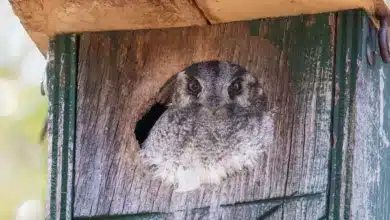
The White-crowned Robin-chat (Cossypha albicapilla) is a striking and melodious bird species native to various regions across Africa. Known for its distinctive white crown and vibrant song, this bird captivates birdwatchers and nature enthusiasts alike. It thrives primarily in dry savanna and subtropical or tropical moist shrubland, where it plays an important role in the ecosystem as an insectivore and seed disperser. The White-crowned Robin-chat is notable not only for its appearance and vocal abilities but also for its fascinating behaviors and adaptability to diverse habitats within its extensive range.
Scientific Classification
The White-crowned Robin-chat belongs to the family Muscicapidae, which includes Old World flycatchers and chats. Its scientific name is Cossypha albicapilla, with the genus Cossypha encompassing a variety of robin-chat species known for their bright plumage and complex songs. The species was first described by Louis Jean Pierre Vieillot in 1818. Within the species, three recognized subspecies exhibit slight variations in plumage and geographical distribution: Cossypha albicapilla albicapilla (the nominate subspecies), Cossypha albicapilla giffardi, and Cossypha albicapilla omoensis. These subspecies differ primarily in their range across West and East Africa.
Taxonomically, the White-crowned Robin-chat is closely related to other members of the genus Cossypha, which includes species such as the Cape Robin-chat (Cossypha caffra) and the White-browed Robin-chat (Cossypha heuglini). The genus is characterized by birds that are generally medium-sized, with strong legs adapted for terrestrial foraging and a melodious, often complex, vocal repertoire.






Geographic Range & Distribution
The White-crowned Robin-chat is widely distributed across a broad swath of Sub-Saharan Africa, from West Africa to parts of East Africa. Its range extends through countries including Senegal, Gambia, Guinea, Guinea-Bissau, Mali, Burkina Faso, Benin, Togo, Ghana, Ivory Coast, Nigeria, Cameroon, Central African Republic, Chad, Sudan, Ethiopia, and parts of northern and eastern regions of these countries. This distribution reflects the species’ adaptability to a variety of dry and semi-moist habitats.
The nominate subspecies, C. a. albicapilla, inhabits the western part of the range from Senegal and Gambia eastwards to northeastern Guinea. The subspecies C. a. giffardi is found further east and south, ranging from southern Mali through northern Ivory Coast, northern Cameroon, and southern Chad. The easternmost subspecies, C. a. omoensis, is located in southeastern Sudan and southwestern Ethiopia, representing the species’ extension into the Horn of Africa.
Within these regions, the White-crowned Robin-chat favors habitats such as dry savanna, scrubland, and subtropical or tropical moist shrubland. It is often associated with areas that provide dense undergrowth for foraging and nesting, yet it can also be found in secondary growth and sometimes in well-vegetated gardens near human settlements. Seasonal movements are not well documented, but the species is generally considered resident or sedentary within its range.
Physical Description
The White-crowned Robin-chat is a medium-sized songbird, measuring approximately 20 to 23 centimeters in length. Its weight averages around 35 to 50 grams, with a wingspan that typically ranges from 25 to 30 centimeters. The bird’s most distinguishing feature is its bright white crown, which sharply contrasts with the rich chestnut or orange-red coloration of its underparts and the darker brown or olive tones of its upperparts.
Adults display a striking pattern: the white crown extends from the forehead to the nape, bordered by darker facial markings that emphasize the bird’s expressive eyes. Its throat and breast are a vivid reddish-orange, while the belly is a lighter shade blending into white near the vent. The wings and back are generally dark brown with subtle olive hues, and the tail is long and often flicked upward during displays. The legs and feet are strong and dark, well adapted for terrestrial movement and foraging on the ground.
Juvenile White-crowned Robin-chats have duller plumage, with less defined white on the crown and paler underparts. This coloration helps them blend into the undergrowth, providing camouflage from predators. Both sexes have similar plumage, making it challenging to distinguish males from females in the field based on appearance alone.
Behavior & Diet
The White-crowned Robin-chat is primarily terrestrial, spending much of its time foraging on the ground within dense shrubs and leaf litter. It is an active and agile bird, often seen hopping or running through undergrowth in search of food. Its diet is predominantly insectivorous, consisting mainly of beetles, ants, termites, caterpillars, and other small invertebrates. Occasionally, it supplements its diet with fruits and berries, especially during the dry season when insects become less abundant.
This species is known for its rich and melodious song, which it delivers from elevated perches such as tree branches or shrubs. The song is a varied series of whistles, trills, and mimicry of other birds, often performed during early morning and late afternoon. Males use their vocalizations to establish territories and attract mates, while females may also sing but less frequently.
White-crowned Robin-chats exhibit shy but curious behavior, often retreating swiftly into dense cover when disturbed. They are territorial birds, especially during the breeding season, fiercely defending their nesting sites from intruders. Outside of breeding, they may form small family groups or remain solitary. Their strong legs and feet allow them to navigate complex underbrush with ease, and their flight is typically short and direct.
Breeding & Reproduction
Breeding season for the White-crowned Robin-chat generally coincides with the rainy season within its range, which varies geographically but often falls between March and July. During this time, males intensify their singing to attract females and defend territories. The species builds well-concealed nests within dense shrubs or low trees, often utilizing natural cavities or dense foliage to protect against predators.
The nest itself is a cup-shaped structure composed of twigs, grasses, leaves, and rootlets, carefully arranged to provide a secure environment for eggs and chicks. Clutch size typically ranges from two to three eggs, which are pale blue or greenish with faint speckling. Incubation lasts approximately 12 to 14 days and is primarily performed by the female, though the male may assist in feeding and defending the nest. According to RSPB, this species is well documented.
Once hatched, the chicks are altricial—helpless and dependent on parental care. Both parents feed the nestlings a diet rich in insects to support rapid growth. Fledging occurs about two weeks after hatching, but the young may remain with parents for several more weeks as they learn to forage independently. The species may raise one or two broods per breeding season depending on environmental conditions. According to Cornell Lab of Ornithology, this species is well documented.
Conservation Status
The White-crowned Robin-chat is currently classified as Least Concern by the International Union for Conservation of Nature (IUCN). This status reflects its wide distribution, relatively stable population trends, and adaptability to a variety of habitats. There are no major widespread threats identified that could cause rapid declines in population.
However, localized threats may include habitat loss due to agricultural expansion, deforestation, and human settlement development. The species’ preference for dense undergrowth makes it vulnerable to habitat degradation through overgrazing and land conversion. Despite these pressures, the White-crowned Robin-chat’s ability to utilize secondary growth and cultivated areas allows it to persist in many regions.
Conservation efforts focused on preserving savanna and shrubland habitats, as well as promoting sustainable land-use practices, indirectly benefit this species. Monitoring population trends and habitat quality remains important to ensure that this charismatic bird continues to thrive in its natural environment.
Interesting Facts
The White-crowned Robin-chat is renowned among birdwatchers for its beautiful and varied song, which includes mimicry of other species. This vocal ability serves not only in mate attraction but also in territorial defense. It is considered one of the most accomplished songsters among African robin-chats.
Another fascinating behavior is its habit of flicking its tail upward when alert or communicating, a characteristic shared by other members of the genus. This action, combined with its striking white crown, makes it relatively easy to identify in the field despite its preference for dense cover.
Unlike many birds that rely heavily on flight, the White-crowned Robin-chat is largely terrestrial, using its strong legs to forage on the forest floor. This ground-based lifestyle influences its diet and nesting habits, as it searches through leaf litter and low vegetation for insects and builds nests in hidden locations near the ground.
In local cultures, the bird’s melodious song has often been associated with the arrival of rains, symbolizing renewal and the cyclic abundance of the natural world. Its presence is sometimes considered an indicator of healthy savanna and shrubland ecosystems.
Despite its widespread range, the White-crowned Robin-chat remains a somewhat elusive species because of its shy nature and preference for dense vegetation. For wildlife photographers, patience and keen observation are required to capture images of this bird in its natural habitat.
Overall, the White-crowned Robin-chat stands out as a vibrant, vocal, and ecologically important species, enriching the avian diversity of Africa’s savannas and shrublands.
Conclusion
The White-crowned Robin-chat (Cossypha albicapilla) is a captivating bird that enchants with its distinctive white crown, vivid plumage, and melodious song. Its broad distribution across West and East Africa’s dry savanna and shrubland habitats showcases its adaptability and ecological significance. With well-defined subspecies reflecting its geographical spread, the species thrives by foraging on insects and fruits, nesting carefully in dense vegetation, and maintaining territories through rich vocal displays.
While currently not threatened, ongoing habitat preservation is essential to safeguard this species against localized environmental changes. For birdwatchers, students, and nature lovers, the White-crowned Robin-chat offers a fascinating glimpse into the complexity and beauty of African avifauna. Its combination of striking appearance, engaging behaviors, and important ecological roles make it a true jewel of the African landscape.