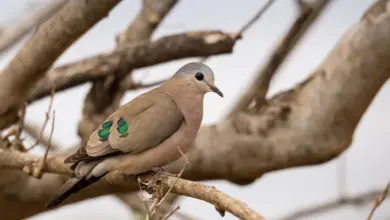
The Spanish Timbrado Canary is a captivating breed of domestic canary renowned primarily for its unique and melodious song rather than its plumage. Originating in Spain, this bird has been selectively bred over centuries to perfect a distinctive vocal quality that reflects the rich musical heritage of its homeland. Unlike many other canary breeds prized for colorful feathers, the Spanish Timbrado is admired for the purity and clarity of its song, which imitates the bright, metallic sounds reminiscent of traditional Spanish castanets. This species offers a fascinating glimpse into the relationship between avian breeding and human culture, making it a favorite among bird enthusiasts, breeders, and wildlife observers interested in the art of birdsong.
Scientific Classification
The Spanish Timbrado Canary belongs to the family Fringillidae, which includes finches and other similar passerine birds. Its scientific classification is closely aligned with that of the wild canary, Serinus canaria, a species native to the Macaronesian Islands, including the Canary Islands, Madeira, and the Azores. The Spanish Timbrado is considered a domestic variety of this species, selectively bred for its singing ability. While the wild canary is naturally vibrant in color and song, the Timbrado has been refined through human intervention to emphasize vocal qualities. Unlike some other domestic canaries that have diverged significantly from their wild ancestors in form and appearance, the Spanish Timbrado remains genetically close to Serinus canaria. This connection underscores its importance as both a cultural and biological link to the wild species, preserving traits that might otherwise be diluted in more ornamental breeds.
Geographic Range & Distribution
The Spanish Timbrado Canary is native to Spain, where it was developed and continues to be bred extensively. While wild canaries originate from the Atlantic islands off northwest Africa, the Timbrado is a product of Spanish aviculture. It is primarily found in domestic environments throughout Spain, especially in the regions known for traditional bird breeding such as Andalusia and Catalonia. Over time, the breed has gained popularity beyond Spain’s borders, and today, Timbrados can be found in specialized aviaries and among canary breeders across Europe and other parts of the world. However, unlike wild canaries, which inhabit open woodlands and scrublands, this variety exists almost exclusively in captivity. Its distribution is thus closely linked to human care, breeding programs, and the canary enthusiasm community rather than natural habitats.






Physical Description
The Spanish Timbrado Canary is a small passerine bird, typically measuring just over five inches (approximately 13 to 14 centimeters) in length. Adult birds weigh between 15 and 20 grams, placing them within the average size range for domestic canaries. Their wingspan ranges around 20 to 25 centimeters, enabling agile flight within aviaries and cages. Physically, Timbrados often exhibit tight, smooth feathering, which may vary in coloration depending on the individual and breeding line. Common feather colors include greenish-gray tints, yellow, white, cinnamon, and variegated patterns. Unlike many domestic canaries with elongated “pipe stem” tails, the Timbrado generally sports a distinctive “fish tail” shape, which is broader and gives the bird a more robust appearance. Their legs are relatively short compared to other canary breeds, contributing to a compact and sturdy body structure. While plumage color is not the primary focus of breeding, the variety in coloration adds visual interest to these songbirds, complementing their auditory appeal.
Behavior & Diet
The Spanish Timbrado Canary is primarily celebrated for its remarkable singing ability, a defining behavioral trait. As a songbird, it is highly vocal, producing a clear, metallic, and bright song characterized by a unique timbre reminiscent of Spanish folk instruments like castanets. The typical song consists of a carefully arranged sequence of approximately twelve notes, delivered in a harmonious and rhythmic pattern. Breeders emphasize that the song should be loud, resonant, and melodious, avoiding unpleasant sounds such as screeches, nasal tones, or strained notes. Remarkably, Timbrados can be trained to sing on cue, a skill that adds to their charm and appeal. Both male and female canaries begin vocalizing early, with weak singing as soon as four weeks old; however, females generally start singing later, around six months, and their song is less elaborate than that of males. Behaviorally, Timbrados are not fond of handling and are best appreciated for their song rather than as pet birds to be frequently touched or held.
In terms of diet, the Spanish Timbrado Canary thrives on a balanced mix typical for finches and domestic canaries. Their diet primarily consists of high-quality canary seed mixes, which include a variety of small seeds such as canary grass seed, millet, and rapeseed. These seeds provide essential carbohydrates and fats needed for energy and vibrant plumage. Additionally, fresh greens like dandelion leaves, spinach, and lettuce can supplement their diet, offering vital vitamins and minerals. Some breeders also provide egg food during molting and breeding seasons to increase protein intake. Fresh water should always be available. Proper nutrition supports the bird’s vocal performance and overall health, making diet management crucial for breeders aiming to achieve the best song quality and longevity.
Breeding & Reproduction
The Spanish Timbrado Canary is bred mainly for its singing traits, and breeding practices are carefully controlled to preserve and enhance these vocal qualities. Breeding pairs are selected based on the quality, clarity, and timbre of their songs, with judges and breeders adhering to established standards to maintain the lineage. The species exhibits typical canary reproductive behaviors, with females laying between three and five eggs per clutch. Eggs are small, white, and oval-shaped, incubated primarily by the female for about 13 to 14 days before hatching. Both parents participate in feeding the chicks, which fledge approximately three weeks after hatching.
Interestingly, the breed has three recognized song lines: the “Classical” line, which represents the original traditional song; the “Floreado” line, known for a more ornate song; and the “Intermediate” line, which blends characteristics of the other two. These lines influence breeding decisions, as different breeders may focus on one or another depending on their goals. Because song quality is paramount, young birds are often separated early and trained or encouraged to develop their singing potential. Unlike color-based canary breeding, Timbrado breeding requires significant auditory assessment and patience to ensure the next generation maintains the breed’s signature vocal excellence. According to WWF, this species is well documented.
Conservation Status
The Spanish Timbrado Canary is a domesticated breed and does not have a status on the International Union for Conservation of Nature (IUCN) Red List, as it is not a wild species facing natural threats. Its wild ancestor, the Serinus canaria, is classified as Least Concern due to its wide range and stable population. However, the conservation of the Timbrado relies on the dedication of aviculturists and breeders who maintain the breed’s purity and song standards. Because it exists solely in captivity, its survival depends on continued human interest and responsible breeding practices. Genetic diversity can be a concern in all domesticated breeds, particularly those with specialized traits like song quality. Thus, the Spanish Timbrado Canary serves as a reminder of the delicate balance between selective breeding for cultural traits and maintaining healthy genetic populations within domesticated birds. According to National Geographic, this species is well documented.
Interesting Facts
The name “Timbrado” derives from the Spanish word for “timbre,” referring to the bird’s distinctive voice quality. The canary’s song is often likened to the sound of castanets, a traditional percussion instrument integral to Spanish music and dance. This cultural connection highlights how human artistic appreciation has influenced avian breeding practices. Another fascinating aspect is that Timbrados can be trained to sing on command, a feature that is unusual among birds and adds to their appeal among bird enthusiasts and performers.
Song assessment in Spanish Timbrado Canaries is highly formalized, with contests and exhibitions held regularly in Spain and elsewhere. Judges listen for the purity, clarity, and brightness of the metallic notes, and birds are scored on their ability to maintain the precise twelve-note song pattern. This rigorous evaluation system helps preserve the breed’s identity and encourages breeders to maintain high standards.
Unlike many other domestic canaries, which have been bred extensively for striking colors or elaborate feather shapes, the Timbrado’s plumage tends to be more subdued, reflecting its closer genetic relationship to the wild canary. This emphasis on song over appearance makes the Timbrado a unique example of how human preferences can shape domesticated animals in diverse ways beyond visual traits.
Finally, the Spanish Timbrado Canary’s vocal abilities develop early, with males starting to sing complex songs within their first few months of life. This early onset of singing facilitates training and selection, allowing breeders to identify promising birds quickly. Female Timbrados, while less vocal, do sometimes sing softer, simpler songs, contributing to the overall soundscape in aviaries where pairs are kept.
Conclusion
The Spanish Timbrado Canary stands out as a remarkable example of the intersection between natural avian biology and human cultural influence. Rooted in the lineage of the wild canary, this domesticated breed has been honed for centuries in Spain to produce a distinctive, bright, metallic song that reflects the musical traditions of its homeland. Its physical characteristics, while varied in color and form, take a backseat to its vocal prowess, making it a prized bird for breeders and bird lovers focused on song. Although it exists only in captivity, the Timbrado’s continued survival and success depend on dedicated breeders who value its unique qualities and work to preserve its lineage. For nature enthusiasts, students, and birdwatchers alike, the Spanish Timbrado Canary offers a fascinating study in how selective breeding can enhance natural traits, creating living symbols of culture and beauty in the avian world.