The Dusky Moorhen is a member of the rail family, scientifically referred to as Gallinula tenebrosa; it is an absorbing species of bird. This bird is a middle size among water birds and is known for its peculiar blackish-grey colour with different shades over its body along with its glowing reddish bill shield.
Being found in regions such as India, Australia, New Guinea, Borneo, and Indonesia where it mostly lives around swamps or marshes; this dusky moorhen flourishes well in wetlands. This write-up will look at various things about dusky moorhens including their physical attributes and what they look like.

Physical Characteristics
General Appearance
The Dusky Moorhen is a medium-sized bird and is a little smaller than the Purple Swamphen. It measures some 34-40 cm long, making it conspicuous in its wetland habitats. The bird’s body is mainly dark grey to black with a brown tinge on the uppish parts. This colouring serves as camouflage in the dense vegetation of swamps and marshes.

One of the striking features of the Dusky Moorhen is its red frontal shield and yellow-tipped bill. Besides being a point to distinguish this bird, these colours help it in social interactions as well as mate attraction. Dusky Moorhen legs are green-red to orange-yellow among other distinguishing characteristics.
Head and Facial Features
Dark grey to black matches the head colouration of the Dusky Moorhen with that of its entire body. The red frontal shield that lies between its eyes is one striking feature that separates it from other similar species.
Although just an adornment, it may also be used to show off territory and mating displays. The red bill with yellow tip facilitates versatile feeding habits thus enabling this bird to eat anything found around.
Body and Plumage
The compact streamlined body design helps Dusky Moorhens move easily through thick swamp vegetation. Most of their plumage consists of dark gray or black which becomes slightly redder on top parts.
Having such color enables birds to blend into their environment hence protecting them against predator attacks like cats and hawks who hunt by sight only. The belly feathers are light grey-washed, while there is a prominent white spot under the tail which is flicked as a sign of alertness or dominance.
Legs and Feet
Dusky Moorhens have legs that are well adapted for life in wetlands areas where they occur most commonly. They come in various colors ranging from green-red to orange-yellow in addition to having elongated toesids which make walking on soft muddy surfaces and swimming easy. These features enable feeding in both terrestrial and aquatic realms. Besides, the legs and feet are useful for nest-building as well as territorial defence purposes.
Juvenile and Chick Appearance
Immature Dusky Moorhens look different than adults do. Usually, they are drabber in hue displaying greyish-brown feathers around the head region ending in black beaks for instance.
Such colouration patterns help protect vulnerable nestlings against potential dangers of predation on them by blending into their natural surroundings more successfully due to camouflage characteristics conferred upon such animals by nature itself through evolution over time.
In comparison, Nestlings appear black, and downy and have red mandibles such that they can be easily differentiated from adult birds among others while growing where their feathering colours change progressively becoming like those of old birds around them later
Habitat and Distribution
Habitat Preferences
Dusky moorhens mostly inhabit wetland habitats. They do well in freshwater marshes, swamps, lakes, ponds, rivers and urban parks where reeds, rushes and water lilies grow.
These birds are seldom seen outside these wetland areas except when foraging among nearby vegetation. Additionally, they can be found around dams, river banks and urban parks which makes them a common sight in places like the Gold Coast Regional Botanic Gardens and the Brisbane Botanic Gardens.
The dusky moorhen prefers densely vegetated freshwater swamplands including fast-flowing streams, large lakes or reservoirs as well as city ponds. They are often found on open waters with reed beds and other vegetation; however, they may also be located around parks, pastures or grassy regions close to water.
Geographical Distribution
The dusky moorhen is widely distributed in India, Australia, New Guinea, Borneo, and Indonesia.
In Australia, they range across the eastern states of Victoria down south to Queensland as far north as Cooktown. They also occur in the far east part of South Australia and the southwestern corner of Western Australia.
Moreover, there are some vagrant non-breeding birds but rare vagrants can be found in New Zealand.
Diet and Feeding Behavior
The dusky moorhen is an omnivorous bird that eats both plant and animal material. Its diet is varied comprising of seeds, the young shoots of shrubs and grasses, algae, fruits, snails, and other invertebrates.
A diverse diet allows the dusky moorhen to exploit many food sources available in its environment. It also scavenges on dead carrion, bread and birds droppings including gulls and ducks.

Plant-Based Diet
Another element of the bird’s diet consists of plant material. It consumes aquatic plants, grasses and algae which are widely available in its wetland habitat. These plants provide important nutrients as well as energy for the birds.
One method that the dusky moorhen utilizes while feeding is by dipping its head into water or upending itself similar to most duck species. By doing this it can easily reach out for submerged aquatic vegetation and algae.
Animal-Based Diet
Apart from eating plants, the dusky moorhen feeds on various items derived from animals. These include insects, small fish, snails, and annelid worms among others.
The bird’s omnivorous feeding habit enables it to get proteins together with some other nutrients required by the body. When breeding takes place during this time their chicks are fed mainly on annelid worms and snails with a gradually increasing amount of plant matter as they grow older.
Foraging Behavior
The Dusky Moorhen has many foraging behaviours that help it take advantage of different food sources. It feeds both on land and in the water, taking advantage of its well-designed legs and feet to move around in various landscapes. During the breeding period, it is common to see the birds moving together while searching for food.
Feeding Techniques
Dusky moorhen uses a number of methods to feed. One way is by dipping which involves putting its head into the water, reaching aquatic plants and animals there. Another one is upending by tilting forward from the body top down to gain access to submerged vegetation.
When not near water bodies, Dusky Moorhens use their beaks lightly to peck at seeds, grasses or other feeding materials. Scavenging for carrion as well as bird droppings shows its opportunistic feeding nature.
Group Foraging
During the breeding season, two to seven Dusky Moorhens form groups. These groups build nests together; they also guard their territories and care for their young ones. Group foraging carries with it several benefits such as multiple hands making light work in finding food as well as providing safety from predators.
Within a group, grown-ups usually do this where an adult holding eggs gives them over through its mouth directly to chicks in the nest feeding them cooperatively during early growth stages so that they get enough nutrients. According to Cornell Lab of Ornithology, this species is well documented.
Breeding and Feeding of Young
The breeding season of the Dusky Moorhen is variable from one region to another. In Australia’s South, it is observed between August and January whereas in the North, it happens from January to June. At this time, birds gather into groups for breeding and constructing nests on platforms using wetland vegetation such as reeds. These nests may be floating on open water or placed well into reeds. According to eBird, this species is well documented.
Nesting and Incubation
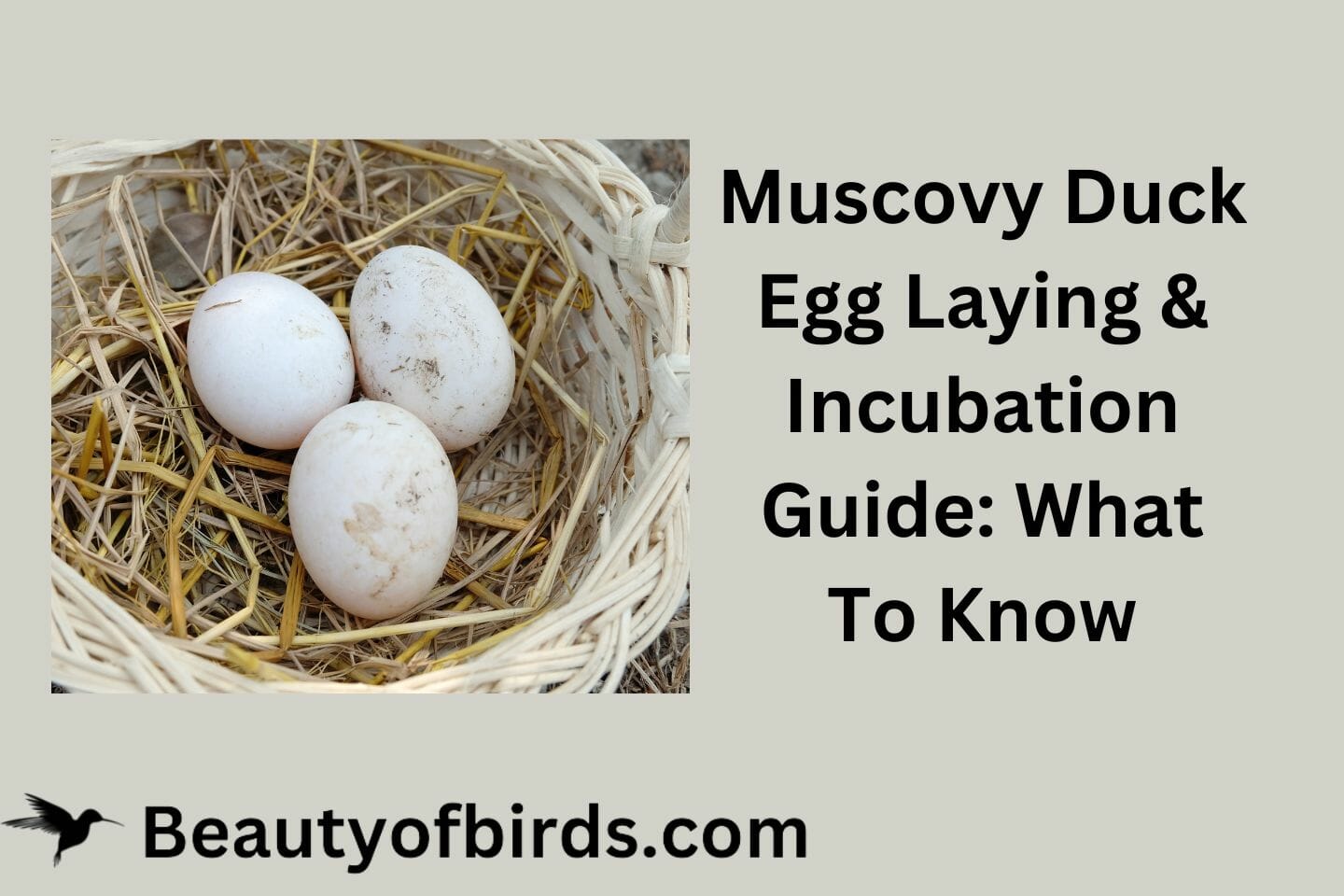
The females lay six to ten eggs in a single nest shared by several females within the group. All members of the group participate in incubating the eggs and feeding the young ones. The incubation period takes about 24 days with fledging at approximately 28 days old.
This cooperative breeding behaviour ensures constant care for chicks during their early vulnerable life stages.
Feeding the Chicks
For the first few weeks after hatching, the chick diet consists mainly of annelid worms, molluscs, and insects. When they get older, plant matter is gradually added to their feeds.
In turn, adults feed these young ones with one or two adults being responsible for carrying food back to their nests. Older juveniles also help feed the chicks by approaching adults bearing foodstuff showing yellow skin patches on white wing feathers often called alula route proferens.
Breeding Season and Nesting
For dusky moorhens, the breeding season is different depending on their geographic location. In Australia’s southern parts, it usually happens from August through January while in the north it occurs between January and June. This variation allows for birds to take advantage of optimal environmental conditions for rearing young ones.
During the breeding season, territorial breeding groups with two to seven adults form among dusky moorhens. These groups build nests together, incubate eggs, and care for chicks. The nests are typically made close to or over water bodies using reeds and aquatic plants. They may be situated at or slightly above water level or even floating platforms in open water. Nests are often bulky and may contain an entrance ramp built up of trampled reeds.
Egg Laying and Incubation
In these dusky birds, there is a unique reproductive strategy whereby several females deposit their eggs into one nest. There is an average clutch size of 5-18 eggs for each female which means they obtain communal nests.
Incubation takes about 24 days during which all breeders assume the responsibility of hatching them. This behaviour ensures that the eggs have a high chance of survival since they will be well covered in case predators attack them.

Chick Development and Parental Care
When chicks hatch out from their eggs, they are blackish and fluffy with a red bill. All members of the breeding group take care of them by feeding and protecting them in turns.
At about 28 days old, the chicks leave the nest but remain under protection until they become independent from their parents’ group completely. For the young ones, this prolonged period when parents provide food is very important as it equips them with the skills required to look for what to eat as well as move around their habitat comfortably.
Vocalizations and Behavior
The dusky moorhen is a bird that is very vocal, producing a variety of different sounds in its day-to-day life. These can be broken down into various categories:
Alarm Calls
Dusky moorhens produce a series of shrill cries when faced with an imminent threat that notifies the rest of the flock, functioning as warning signs. These are usually high-pitched and described as rough “kak-kak-kak” or “krek-krek-krek”. The frequency and intensity of these calls may increase depending on the level of danger.
Contact Calls
For communication with each other within their social groups and to ensure unity, Dusky moorhens make use of varied contact calls. Among them include low grunting sounds like “kuk-kuk-kuk” or more tuneful voices such as “wheel” or “weep”. Often used while foraging, resting, and engaging in other activities involving members of the group.
Courtship Calls
During breeding, dusky Moorhens present elaborate courtship displays accompanied by various vocalizations. Some of these consist of deep sounds like ‘wheeoo-wheeoo-wheeoo’ or others which are loud such as ‘kook- kook – kook’. They play an essential role in mate selection processes and territory marking.
Begging Calls
Juvenile dark birds produce discernible calls pleading with their parents to give them food. Such sounds are high-pitched and could be described as continuous “cheep-cheep-cheep” or “peep-peep-peep”. It is these vocalisations that make sure the young ones survive and thrive.
Distress Calls
When a dusky moorhen is injured or distressed, it may emit a scream that can alert other birds and possibly scare predators away. These calls are usually short-lived, sharp in sound quality, and may be referred to as a shrill “eek” or “eek-eek-eek”.
The varied voice of this bird has been known to perform key roles in its social, and reproductive behaviours as well as a survival strategy in its surroundings.
This means of communication enables individuals to converse with one another, organize their communal activities and prepare themselves for prospective dangers; all these factors add up to the species’ prosperity and adaptability.
Conservation Status
The IUCN Red List says that the dusky moorhen is a member of “Least Concern,” which implies that the species is not at immediate high risk of becoming extinct.
According to IUCN, this means the dusky moorhen has a huge global population with approximately 100,000 to 1,000,000 mature individuals.
Also, it has been found that the population trend for dusky moorhen remains stable without any remarkable declination. It can be attributed to its ability to adapt and flourish in a range of wetland habitats like freshwater marshes, swamps, lakes, and even urban ponds.
Threats and Challenges
In spite of its current ‘Least Concern’ status, however, there are some potential threats and challenges that do exist for it in future conservation. One of the leading threats facing the bird is the destruction and degradation of habitat as more wetlands are converted by people for activities such as agriculture, urbanization, or water management.
Dusky Moorhen’s nesting sites are confined within dense vegetation near the water’s edge thus they become particularly susceptible during times when water levels fluctuate significantly. Changes in water regimes like drying or draining up wetlands can directly affect the species breeding success and population size.
Conservation Efforts
Although currently under no specific conservation priority list, ongoing monitoring and protection efforts occur across different parts of its distributional range. In Australia where the species is most numerous; it is protected under national as well as state wildlife legislation.
Wetland habitats that support the survival of dusky moorhens are conserved by governmental agencies and conservation organizations. As such initiatives continue across areas occupied by this bird including water level management, invasive control measures plus sustainable land use schemes being advocated for.
Conclusion
The Dusky Moorhen is a remarkable type of bird possessing peculiar morphological features, diverse feeding modes, and complicated mating strategies. These birds are found in several parts of Asia and Australia where they are abundant in wetland habitats and contribute significantly to their ecosystems.
However, despite being least concerned, their habitat destruction is one of the major challenges that the animals face today which necessitates conservation measures to be put in place. By understanding and appreciating this beautiful creature, we can help save it from extinction as well as its natural surroundings.