Water birds encompass a diverse group of avian species that thrive in aquatic environments such as lakes, rivers, marshes, estuaries, and coastal shores. These birds have evolved unique adaptations to exploit water-based habitats, ranging from wading along shallow shores to diving beneath the surface. Their presence is not only vital for maintaining aquatic ecosystems but also provides birdwatchers and wildlife photographers with stunning subjects, capturing the intricate beauty of nature in action. This article explores the taxonomy, distribution, physical traits, behaviors, breeding habits, conservation concerns, and fascinating facts about water birds, offering a comprehensive look at these remarkable creatures.
Scientific Classification
Water birds do not belong to a single taxonomic group but rather span several families and orders within the class Aves. Generally, the term “water bird” includes species from the orders Gruiformes (cranes and rails), Charadriiformes (gulls, terns, and shorebirds), Podicipediformes (grebes), Gaviiformes (loons), and Pelicaniformes (pelicans, herons, and cormorants). For example, the iconic Great Blue Heron is classified as Ardea herodias in the family Ardeidae, while the Mallard duck, Anas platyrhynchos, belongs to the family Anatidae within the order Anseriformes.
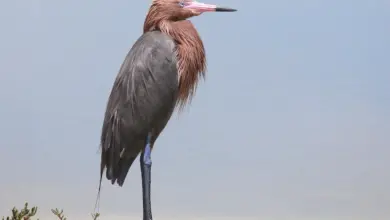
These birds share common ecological traits but differ greatly in morphology and behavior. The family Anatidae includes ducks, geese, and swans, known for their webbed feet and waterproof feathers adapted for swimming. On the other hand, herons and egrets have long legs and necks suited for wading in shallow waters. The diversity within water bird taxonomy reflects their evolutionary adaptations to various aquatic niches around the globe.


Geographic Range & Distribution
Water birds inhabit nearly every continent and a wide variety of aquatic habitats, from Arctic tundras to tropical wetlands. Species such as the Northern Pintail (Anas acuta) have migratory patterns that take them across continents, breeding in northern temperate zones and wintering in warmer southern regions. Others, like the African Sacred Ibis (Threskiornis aethiopicus), are primarily found in sub-Saharan Africa and parts of the Middle East.
Coastal areas, estuaries, freshwater lakes, rivers, and marshes serve as critical habitats for water birds. For example, the American White Pelican (Pelecanus erythrorhynchos) breeds in inland lakes of North America but winters along the southern coasts. Meanwhile, flamingos (Phoenicopterus spp.) thrive in saline or alkaline lakes in Africa, South America, and parts of southern Europe. The distribution of water birds is tightly linked to the availability of food resources and suitable breeding grounds, which often fluctuate seasonally, prompting migrations that cover thousands of kilometers.
Physical Description
Water birds exhibit a broad range of sizes and shapes, reflecting their specialized lifestyles. Many possess webbed feet or lobed toes that facilitate swimming, while others have elongated legs for wading through water. The wingspans of water birds vary extensively. For instance, the smallest water bird, the Least Bittern (Ixobrychus exilis), measures about 30–38 cm in length with a wingspan of roughly 45 cm. In contrast, the Dalmatian Pelican (Pelecanus crispus) can reach wingspans up to 3 meters (9.8 feet) and weigh as much as 15 kilograms (33 pounds).
Feather adaptations are crucial for water birds. Ducks and swans have dense, waterproof plumage coated with oils from their uropygial gland, enabling buoyancy and insulation in cold water. Waders like herons and storks have long, slender bills designed to spear fish or probe mud for invertebrates. The coloration of water birds is often a mix of camouflage and signaling. For example, the striking pink of flamingos results from carotenoid pigments obtained through their diet of shrimp and algae. Meanwhile, many gull species have white and grey plumage that helps blend with coastal environments.
Behavior & Diet
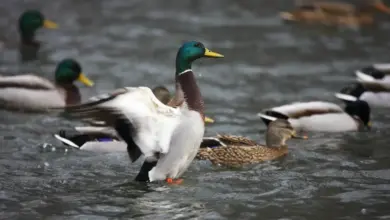
Water birds display a fascinating array of behaviors tied to their feeding strategies and habitats. Many species are highly social, forming large flocks for foraging or migration, while others are solitary hunters. Feeding habits vary widely: dabbling ducks such as the Mallard (Anas platyrhynchos) feed by tipping forward to graze on aquatic plants and small animals near the water’s surface, whereas diving ducks like the Common Eider (Somateria mollissima) plunge underwater to catch mollusks and crustaceans.
Wading birds such as the Great Egret (Ardea alba) stalk through shallow waters patiently, using sharp bills to spear fish, amphibians, and insects. Gulls and terns are opportunistic feeders, often scavenging or hunting small fish near the water surface. Some water birds exhibit remarkable hunting techniques; the Pied Kingfisher (Ceryle rudis), found near freshwater bodies in Asia and Africa, hovers above water before diving headfirst to catch fish.
Many water birds also communicate through vocalizations and displays. For example, the trumpeter swan (Cygnus buccinator) produces resonant calls that can carry over long distances across wetlands. Courtship behaviors often include elaborate dances, plumage displays, or synchronized movements, all integral to mate selection and territory defense.
Breeding & Reproduction
Water birds typically breed in colonies, although some species nest solitarily. Nesting sites vary from floating vegetation mats and reed beds to ground nests near water or even cliff ledges for seabirds. The Mallard duck, for instance, builds nests on the ground concealed by grasses close to water, laying between 8 to 13 eggs per clutch. In contrast, the colonial nesting behavior of species like the Black-headed Gull (Chroicocephalus ridibundus) involves thousands of pairs nesting in dense aggregations on islands or marshes. According to Cornell Lab of Ornithology, this species is well documented.
Incubation periods differ among species but generally range from 20 to 35 days. Both parents often participate in incubation and chick-rearing, especially in species with precocial young, such as ducks and geese, whose hatchlings are capable of swimming and feeding shortly after birth. Altricial species like herons hatch naked and helpless, requiring extended parental care in the nest. Many water birds exhibit strong site fidelity, returning to the same breeding grounds annually. According to RSPB, this species is well documented.
Migration plays a key role in the breeding cycle of many water birds. Species breeding in northern latitudes often undertake long migrations to wintering grounds with more abundant food and milder climates. Timing of breeding is typically synchronized with peak food availability to maximize the survival chances of offspring.
Conservation Status
Water birds face numerous conservation challenges worldwide, primarily due to habitat loss, pollution, climate change, and human disturbance. Wetlands, crucial for feeding and breeding, have been drained or degraded at alarming rates. The International Union for Conservation of Nature (IUCN) Red List categorizes many water birds with varying conservation statuses. While common species like the Mallard (Anas platyrhynchos) are listed as Least Concern, others face more critical threats.
The Dalmatian Pelican (Pelecanus crispus), for instance, is classified as Near Threatened due to habitat destruction and disturbance at breeding sites. The Spoon-billed Sandpiper (Calidris pygmaea), a small shorebird found in Southeast Asia, is Critically Endangered with fewer than 1,000 individuals remaining, primarily threatened by coastal development and habitat loss. Conservation efforts include protecting wetland habitats through reserves, pollution control, and international agreements such as the Ramsar Convention, which promotes wetland conservation globally.
Public awareness and ecotourism also contribute to water bird conservation by fostering appreciation and financial support for habitat preservation. Monitoring populations via bird counts and satellite tracking helps scientists understand migration patterns and threats, guiding effective conservation strategies.
Interesting Facts
Water birds boast many intriguing adaptations and behaviors. Flamingos are famous for their pink coloration and their unique feeding technique, where they filter-feed by turning their heads upside down in the water. Loons (Gavia spp.) are remarkable divers, capable of reaching depths of over 60 meters (200 feet) to catch fish, and their eerie calls echo across northern lakes.
The Wandering Albatross (Diomedea exulans), a seabird with one of the largest wingspans of any bird—up to 3.5 meters (11.5 feet)—can glide on ocean winds for hours without flapping its wings. Some water birds, such as the African Jacana (Actophilornis africanus), have exceptionally long toes that distribute their weight, allowing them to walk on floating vegetation like lily pads.
Many water birds are indicators of environmental health. The presence or absence of certain species can reveal changes in water quality or habitat conditions. Additionally, water birds play important ecological roles, such as controlling fish and insect populations and transporting nutrients between aquatic and terrestrial ecosystems.
For wildlife photographers, water birds offer captivating subjects due to their diverse forms, dynamic behaviors, and often vivid plumage. Capturing images of these birds requires patience and an understanding of their habits and habitats, rewarding photographers with glimpses into the delicate balance of aquatic life.
Conclusion
Water birds represent a fascinating and ecologically vital group of species intricately linked to aquatic environments worldwide. Their diversity in form, behavior, and habitat underscores the complexity of ecosystems they inhabit. From the graceful wading herons to the powerful diving loons, water birds provide endless opportunities for study, conservation, and appreciation. Protecting their habitats and understanding their roles in nature are essential steps in ensuring these birds continue to thrive for generations to come. Whether observed in the wild or through stunning photography, water birds remain enduring symbols of the beauty and resilience of life on Earth.