The Variable Sunbird, Cinnyris venustus (formerly Nectarinia venusta), is a vibrant and widely distributed bird species inhabiting the equatorial regions of Africa. Known for their dazzling iridescent plumage and energetic behavior, these small nectar-feeding birds play an important role in pollination within their ecosystems. Their adaptability to various habitats, including open woodlands and cultivated lands, makes them a common sight for birdwatchers and nature enthusiasts traveling through East and Central Africa. This article delves into the detailed aspects of the Variable Sunbird’s taxonomy, distribution, physical traits, feeding habits, reproduction, conservation, and fascinating behaviors to provide a comprehensive understanding of this captivating species.
Scientific Classification
The Variable Sunbird belongs to the family Nectariniidae, a group commonly known as sunbirds, which comprises small, nectarivorous passerine birds predominantly found in the Old World tropics. The scientific name of the Variable Sunbird is Cinnyris venustus. It was originally described under the genus Nectarinia, but modern taxonomic revisions have placed it in Cinnyris, which includes many other sunbird species characterized by their slender bodies and iridescent plumage.
Within the genus Cinnyris, the Variable Sunbird is noted for its highly variable plumage, especially among males, which has contributed to its common name. The species is part of a larger group of sunbirds that exhibit sexual dimorphism, meaning males and females differ noticeably in coloration and sometimes size. These birds are passerines, or perching birds, and share the order Passeriformes with more than half of all bird species worldwide. Their specialized morphological traits, such as brush-tipped tongues and curved bills, are adaptations for feeding on nectar.






Geographic Range & Distribution
The Variable Sunbird is widespread across equatorial Africa, with its range extending from Ethiopia and Sudan down through East Africa into parts of Central Africa, including countries like Kenya, Uganda, Tanzania, Rwanda, Burundi, and the Democratic Republic of Congo. It also reaches into southern parts of Sudan and northern Zambia. This broad distribution makes the Variable Sunbird one of the more common sunbird species in these regions.
The species thrives in a variety of habitats but shows a preference for open woodlands, savannas, forest edges, and areas of human cultivation such as gardens and plantations. It is often found in altitudes ranging from lowland regions up to about 2,500 meters above sea level, adapting well to different environmental conditions. The bird’s ability to inhabit both natural and anthropogenic landscapes contributes to its stable population across its range.
Physical Description
The Variable Sunbird is relatively small, measuring approximately 10 to 12 centimeters (4 to 4.7 inches) in length, with a wingspan roughly around 12 to 15 centimeters (4.7 to 6 inches). Adults typically weigh between 6 and 10 grams, making them lightweight and agile fliers. Their medium-length, slender, downward-curved bills are perfectly adapted for extracting nectar from flowers.
Males are particularly striking, displaying glossy, iridescent plumage that can vary significantly, hence the name “Variable” Sunbird. The adult male usually has a shimmering green head, throat, and nape, with a distinctive maroon or crimson band across the chest. The underparts are yellowish, often brighter on the belly, creating a vivid contrast. In eclipse plumage, males resemble females but retain some greenish gloss on their throats.
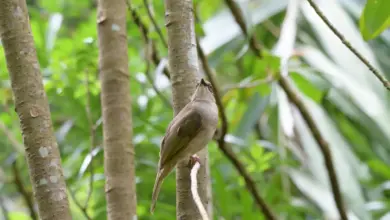
Females are more subdued in coloration, which aids in camouflage, especially during nesting. They have grey-brown upperparts and soft yellowish underparts, with a prominent pale supercilium—a distinct line running above the eye. This contrast helps in identification. Both sexes have short, rounded wings that enable rapid, direct flight, often described as fast and purposeful.
Behavior & Diet
Variable Sunbirds are highly active birds, often seen flitting energetically from flower to flower. Their primary diet consists of nectar, which they extract using their specialized brush-tipped tubular tongues. While many sunbird species hover briefly like hummingbirds to access nectar, Variable Sunbirds generally prefer to perch while feeding, conserving energy and maintaining stability.
In addition to nectar, Variable Sunbirds supplement their diet with small insects and spiders, particularly during the breeding season when their protein requirements increase. This insectivorous behavior is vital for chick development, providing essential nutrients for growing young. They forage in a variety of flowering plants, including species of acacia, eucalyptus, and various indigenous shrubs and trees, contributing to pollination in their habitats.
These birds are territorial during the breeding season, with males often performing displays involving song and flight to defend their feeding and nesting areas. Their vocalizations are distinctive; the call is described as a clear, rapid series of “tew-tew-tew-tew” notes, which can carry through the woodlands and savannas. Sunbirds are also known for their agility and speed, traits that help them evade predators and competitors.
Breeding & Reproduction
The breeding behavior of Variable Sunbirds is fascinating and closely tied to their ecological niche. They typically breed during the rainy season when nectar-producing flowers are abundant, ensuring a reliable food source for both adults and chicks. Nesting involves the construction of a small, pendant-shaped nest suspended from thin branches or twigs, often woven from plant fibers, spider webs, and leaves. These nests are skillfully camouflaged to blend with the surrounding foliage, reducing predation risk. According to BirdLife International, this species is well documented.
Clutch size is generally small, with females laying two eggs per breeding attempt. The eggs are pale and speckled, providing some camouflage against the interior of the nest. Both parents participate in feeding the chicks, bringing a mixture of nectar and insects to meet their nutritional needs. The incubation period lasts approximately 14 to 16 days, after which the altricial chicks hatch and remain in the nest for about two to three weeks before fledging. According to Audubon Society, this species is well documented.
Variable Sunbirds are known to be attentive parents, and their reproductive success depends heavily on the availability of food and safe nesting sites. Their ability to adapt to human-modified environments has helped maintain stable breeding populations despite habitat changes.
Conservation Status
The International Union for Conservation of Nature (IUCN) currently lists the Variable Sunbird as a species of Least Concern. This classification reflects the bird’s wide distribution, presumed large population, and adaptability to various habitats, including those altered by humans. There are no immediate threats causing significant population declines at a global scale.
However, habitat destruction, particularly deforestation and land conversion for agriculture or urban development, can pose localized threats. The Variable Sunbird’s reliance on flowering plants means that changes in vegetation composition or flowering patterns due to climate change or invasive species could impact food availability. Despite these potential challenges, the species’ flexible feeding and nesting habits provide resilience.
Continued monitoring of population trends and habitat health is important, especially in rapidly developing regions of Africa. Promoting the conservation of native woodlands and encouraging the planting of nectar-rich flora in gardens and agricultural areas can support healthy sunbird populations and the broader ecosystems they help sustain.
Interesting Facts
One of the most remarkable features of the Variable Sunbird is the variability in the male’s plumage, which can differ significantly between individuals and subspecies. This variation is not only a beautiful display of nature’s diversity but also a subject of interest for ornithologists studying sexual selection and evolutionary adaptation.
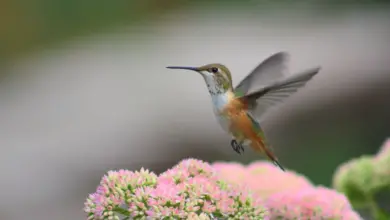
Unlike hummingbirds of the Americas, which rely heavily on hovering, Variable Sunbirds tend to perch while feeding. This difference is partly due to their lighter wing structures and flight mechanics, highlighting how similar ecological niches can be filled by different evolutionary strategies in distinct parts of the world.
Variable Sunbirds also play a vital ecological role as pollinators. When feeding on nectar, pollen sticks to their bills and feathers, facilitating cross-pollination between flowers. This mutualistic relationship supports plant reproduction and the overall health of the ecosystems they inhabit.
Additionally, Variable Sunbirds have been observed using their bills not only for feeding but also during territorial disputes, flicking their tails and producing sharp calls to assert dominance. Their dynamic behavior makes them a favorite subject for birdwatchers and wildlife photographers who appreciate their vivid colors and lively antics.
In conclusion, the Variable Sunbird is a captivating and ecologically significant species in Africa’s avian community. Its dazzling colors, specialized feeding habits, and adaptability highlight the intricate connections between birds and their environments. Observing these sunbirds provides valuable insights into the complexity of tropical ecosystems and the importance of conserving biodiversity for future generations.