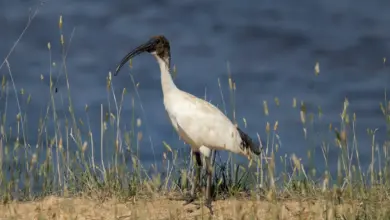
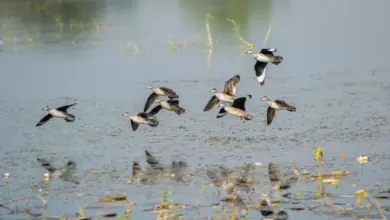
The Magellan Goose is also known as the Upland Goose ( Chloephaga Picta). It is a well-known and striking waterfowl native to southern South America. This hardy goose is found in the open grasslands and coastal plains of countries like Argentina, Chile and the Falkland Islands. The Upland Goose is a popular species for birdwatchers and wildlife biologists interested in South America’s unique fauna. It is known for its striking plumage patterns, strong terrestrial behaviour and bold feather patterns.
Natural Range of Habitat and Range of the Upland Geese
Upland Geese are found in a variety of open habitats, including windswept prairies, steppe grasslands, agricultural fields and shallow marshes. The Upland Goose is most common in meadows with short grass, which makes it easy to feed. The Upland Goose is more terrestrial than other waterfowl because it spends most of its time on the ground. The Upland Goose’s wide distribution in southern South America allows it to adapt to a variety of climates, ranging from temperate lowlands up to sub-Antarctic cold.
Subspecies Differences and Regional Differences
There are two subspecies of the species: the Lesser Magellan Goose, ( Chloephaga Picta Picta),; and the Greater Magellan Goose, ( Chloephaga Picta Leucoptera),. The lesser Magellan Goose is found in southern regions such as Tierra del Fuego, Patagonia and Tierra del Fuego. While the greater Magellan Goose is common on the Falkland Island. Although they are similar, their plumage and size differ. These geographical variations show the species’ ability to adapt and the influence regional conditions have on its evolution.


Physical Characteristics Of The Upland Goose
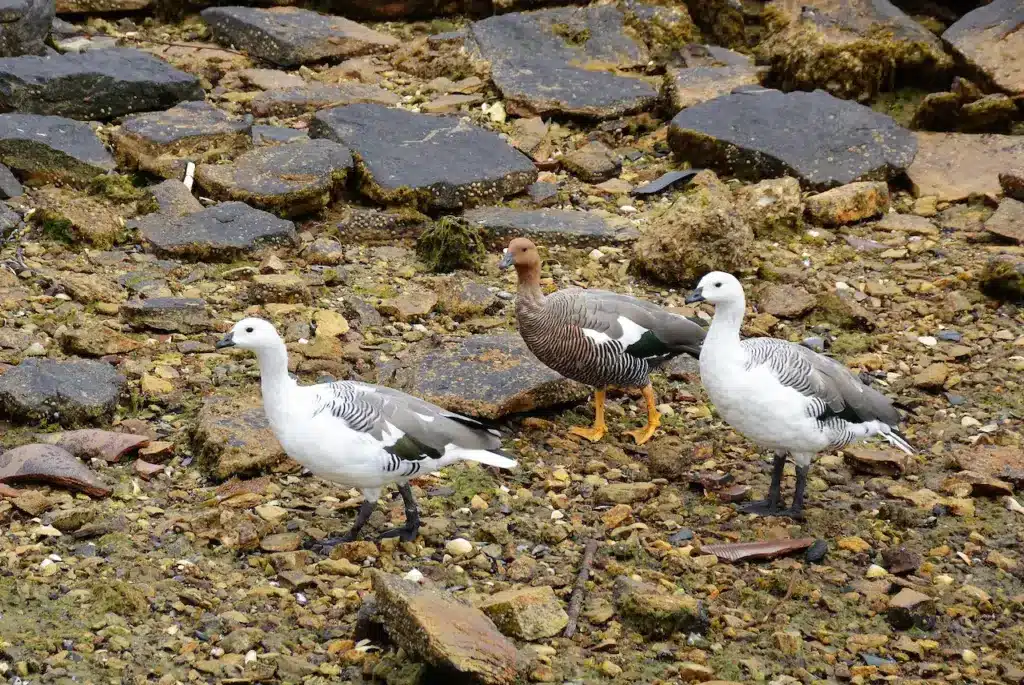
The distinctive appearance of the Upland Goose is one of the reasons it stands out from other waterfowl. This species, which is a medium-sized bird that measures between 60-72.5cm (24-29in) and weighs an average of 2.7-3kg (5.9-7lbs) has a robust build. The strong legs and upright posture of this species give it a goose-like profile. The dense, wind-resistant plumage of these birds is a good adaptation for the colder climates on the southern continent.
Male upland goose appearance
The strikingly white chests and heads of male Upland Geese contrast sharply against their black-and-white patterned bodies. The intricately barred wings and bright white plumage of the males create a striking silhouette when in flight or standing on open fields. The sexual dimorphism of the goose is essential for mating displays. It also contributes to its overall appeal.
Female Appearance of the Upland Goose
The female Upland Geese have a different colour scheme than the males. The plumage of the females is primarily brown, with black stripes. This provides excellent camouflage for grassy environments. Yellow Feet are an attractive field marker. The females are very similar to Ruddy-headed geese. This can make identification difficult for beginners.
Characteristics of the Juvenile and Its Development
The colouration of juvenile Upland Geese is similar to that of females, but with slightly duller shades. As they grow older, their plumage becomes more distinct. Males develop their distinctive white heads during the months before adulthood. Under the protective care of their parent,s goslings develop rapidly, gaining the strength and mobility needed to traverse the rough terrain of their native habitat.
Daily Behaviour and Activity Patterns
Upland Geese spend daylight hours resting, foraging and interacting with their flocks. They are alert birds who are aware of any potential threats. They are excellent sentinels because of their upright posture and terrestrial lifestyle. They warn other animals when danger is approaching. Upland geese form monogamous couples and have strong family bonds during the breeding season.
Feeding behaviour and general diet
The Upland Goose is a predominantly herbivorous bird, consuming mainly grasses and leaves as well as aquatic vegetation. The grasses in pastures are especially tender and short. They may submerge their heads and necks to reach aquatic plants when feeding near water. This mimics the behaviour of ducks that dabble. They can thrive in a variety of habitats because they can feed on both land and water.
The role of grains and crops in their diet
During migrations and the winter, Upland Geese gather in fields of crops to feed on cultivated grains like barley, corn, and wheat. They can rely on these readily available energy sources to sustain themselves when the natural vegetation is scarce. The flocks are often hundreds of birds, which creates an impressive spectacle and brings them into contact with humans.
A Broader Diet for Ducks and Geese
The majority of the diet is composed of plant matter, but like other geese and ducks, Upland Geese may also consume small aquatic animals, snails, seeds and. These additional food items are vital, especially in breeding season, when a higher intake of protein supports healthy gosling and egg growth. Their varied feeding habits are a reflection of their flexibility as foraging birds. According to BirdLife International, this species is well documented.
Seasonal Migration and Migration Patterns
The Upland Goose has a partial migration pattern depending on the region it is in. In winter, populations in South America migrate northward in search of more temperate climates. Those in the Falkland Islands tend to remain resident all year. Food availability, weather patterns and breeding cycles influence these movements. The migration of these birds is marked by their strong, steady flight at moderate heights. According to Audubon Society, this species is well documented.
Nesting Behaviour and Breeding Season
In the Southern Hemisphere, breeding usually occurs in spring and early summer. Nests are usually built on the ground and hidden in tall grasses, shrubs or trees. The females are responsible for the incubation of large white eggs, and males guard the nest to protect it from predators. Monogamy is crucial to the successful breeding of their young.
Gosling Development of Family Structure
Once they hatch, goslings become highly mobile. They rely on their parents to protect and guide them. Families forage together and teach young geese survival skills. By the end of summer, the goslings can fly and navigate on their own. The high survival rate of the flock is due in part to parental care.
Threats and Predators in the Wild
In their natural habitat, Upland Geese are preyed upon by foxes and caracaras as well as other terrestrial predators. The eggs and young goslings of the Upland Goose are particularly vulnerable. Populations can be affected by human-driven threats, such as habitat destruction, livestock overgrazing, and sometimes persecution because of crop foraging. Many regions protect their habitats actively, which allows populations to be stable in many areas.
Population trends and conservation status
The Upland Goose has stable populations in most of its range and is classified as Least Concern. Conservation measures on the Falkland Islands and in Patagonia contributed to the long-term health of populations. The creation of additional food sources, through the modification of landscapes such as agricultural fields, has increased population resilience. Monitoring ensures that threats can be addressed before they become significant.
Communication and Vocalisation
The distinctive call of the Upland Goose is often described as a loud, trumpet-like honk. These vocalisations are used to maintain flock cohesion and warn others of danger. The tones produced by males and females are different, making it possible for family members and mates to identify each other from afar. The vocal behaviour of these animals is a key element in their social structure.
Social Structure of Flock Dynamics
In the absence of breeding, Upland Geese travel in large flocks, feed and roost with each other. The groups are a good way to increase foraging efficiency and provide safety. During the breeding season, however, pairs become territorial and aggressively defend their nesting areas. The seasonal change from flocking towards pairing reveals their adaptable social behaviour.
The Upland Goose and Human Culture
The Upland Goose is a cultural icon in rural South America. It has been around for centuries. They are familiar to indigenous peoples, shepherds and ranchers because they live in farmlands and fields. They are a popular species in the Falkland Islands and appear frequently in art, photography and tourism materials.
The Ecological Importance Of The Upland Goose
Upland Geese are grazers that help maintain grassland ecosystems by controlling plant growth and encouraging new plant shoots. Their droppings provide nutrients to soils, which support plant diversity and soil quality. Their migrational behaviour helps disperse seeds across large areas, which influences plant distribution.
Conclusion
The Upland Goose, a species of remarkable strength, adaptability and ecological value, is an amazing bird. This goose is a remarkable species, from its unique sexual dimorphism and resilient lifestyle in the windswept plains of South America to its distinct sexual dimorphism. The Upland Goose is a beloved species of bird in South America, whether it’s admired for its beauty or studied for its contributions to ecology.