Understanding Common Coastal Fish
Understanding Common Coastal Fish Found Around Beaches and Islands

Let Us Teach You About Understanding Common Coastal Fish Found Around Beaches and Islands
Beaches and island shorelines are home to a broad variety of marine life, supported by diverse habitats and abundant food sources. If you enjoy fishing, exploring, or spending time outdoors with family or friends, you are likely to encounter several common fish in these environments. Knowing why these fish gather here and how to observe or fish for them responsibly helps ensure everyone can enjoy and protect coastal waters.
Along beaches and island coasts, it is common to find a surprising range of fish species while strolling, watching from the surf or casting a line from the shore. These environments host fish suited to everything from crashing waves to calmer coves. Here, “common” or “popular” simply means the fish that people like you most often see or catch in easy-to-access shoreline spots. Basic identification and observation become enjoyable group or family activities that deepen your appreciation for how marine ecosystems connect biodiversity with the outdoor experiences you value most.
Distinct coastal habitats influence common fish encounters
Each part of the coastline, such as surf zones, rocky reefs, seagrass beds or sheltered estuaries, shapes the fish you encounter. In the shifting sands and energetic surf, you may spot streamlined swimmers or bottom-dwelling species evolved for quick escapes and feeding between tides. Tidepools on rocky shores are natural aquariums, revealing young fish alongside other marine creatures adapted to shallow-water life. Seagrass flats provide crucial shelter for juvenile fish and a food-rich environment benefiting the entire food web. Nearshore reefs, including artificial structures like pilings, support a colorful array of fish, both grazers and predators, thanks to their complex surfaces and consistent food supply. In estuaries, where salt and fresh water meet, you are likely to notice fish that need mixed habitats during different life stages. These overlapping environments explain why some fish appear abundant only in specific areas or under certain conditions. Their presence offers valuable opportunities for observation, fishing or responsible family exploration.





Tools and practices for safe identification and planning
You can enhance your coastal experiences by using digital tools, field guides or fishing apps to identify and learn about the fish you see or catch. Modern fishing-focused resources do more than display images and facts about fish; they support individuals and families in planning outdoor trips, marking good shore access points and safely navigating beaches, coves, or shallow water for boating or wading. Many platforms also let you log catches and sightings, view weather and tidal information, or use GPS-based maps to mark locations where certain fishingpoints offer better access and safety. These tools can help ensure you follow local regulations and seasons, avoid sensitive areas, and record your observations or catches accurately for reference and learning.
When observing fish, make use of clear water and low tide to spot differences in shape, color, or swimming behavior without the need to touch or disturb animals. If you do catch or briefly handle a fish, be sure to wet your hands first, limit time out of water, and release it as quickly as possible, this reduces stress and supports healthy fish populations. Check local guidelines on catch-and-release, size or bag limits, and avoidance of protected or nursery areas. This is especially important for activities with children, where gentle observation and quick release build both enjoyment and responsibility.
Common groups near beaches and reefs
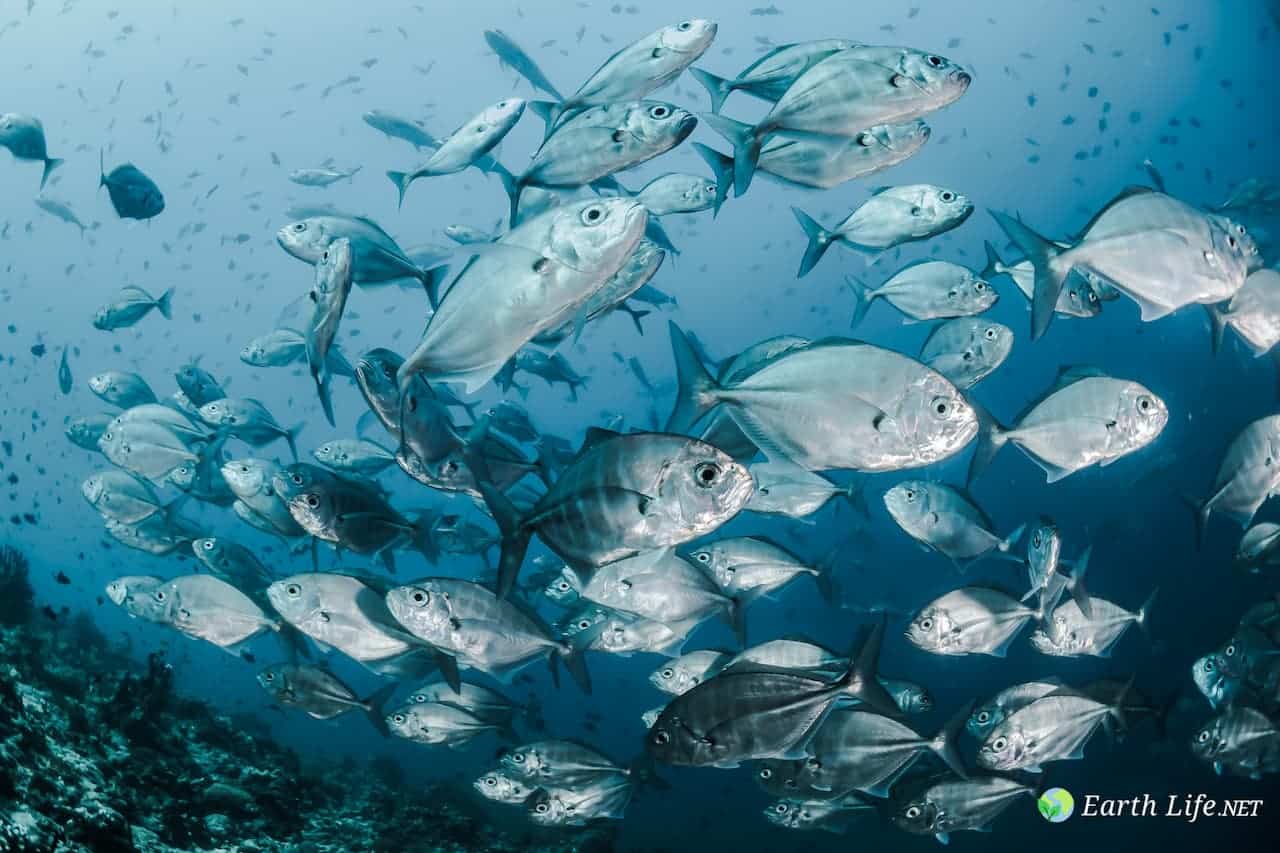
Many coastal outings feature encounters with schools of baitfish gliding through shallow water, a key food source for larger game fish often seen chasing or feeding nearby. At different times and tides, you might observe predatory fish making brief passes close to the surf or deeper reef edges, especially during dawn and dusk. Bottom-dwelling species, including flounders or small rays, use camouflage to hide in sand or mud, revealing themselves only as conditions allow. For boaters and families, observing these patterns can guide safe and ethical exploration, marking inlets, flat areas, or reef edges on a map and checking tide or weather forecasts to plan outings makes for a safer and more rewarding day.
Rocky outcrops, jetties, or manmade structures add even more variety, with herbivorous fish grazing on algae and carnivores lurking in crevices. Calm coves often function as nurseries packed with juvenile fish, while more exposed outer reefs host adult fish pairing shelter with abundant food. Knowing these differences helps anglers and families target locations that best match their preferred activity, whether that’s wildlife watching, family-friendly wading or shore fishing.
Why fish presence shift with season and environment
Many commonly found coastal fish follow seasonal cycles, migrations, and changes in water temperature or light. Warmer months or specific spawning times can bring large numbers of certain fish close to shore, especially in shallow surf, estuaries or after storms have attracted nutrient-rich water. Some areas have temporary fishing restrictions or closed seasons to protect vulnerable populations during these periods. Light levels affect fish behaviors: early morning and evening are often the most active times for feeding and movement near the shore. Being aware of these cycles helps you and your group plan your fishing, boating, or observation sessions for the best experience and safety.
Other factors, such as wind, tide and water clarity, influence where and when you’ll see fish. As water rises or falls, feeding and refuge areas shift, drawing different species closer or further from the shore. Strong winds can stir up food or affect your ability to spot fish for identification. GPS or navigation tools can help you mark places where conditions and sightings change, creating a useful guide for future outings or family nature walks.
Responsible family and beginner practices on the coast
Enjoying beaches and islands with beginner anglers or family groups calls for extra care: always check for posted regulations, handle all wildlife gently, and avoid wading or exploring in rough surf or unknown areas. When tidepooling, watch your step, avoid overturning rocks, and teach children not to chase or pick up marine creatures. If you plan any fishing, look up rules on open and closed seasons, size limits, and permitted fishing techniques to stay within local guidelines. Keep your area free of litter, secure all tackle, and release non-target fish quickly and safely to ensure coastal habitats remain healthy for future visitors.
By making a habit of basic preparation, reviewing fish ID guides or apps, choosing safe access points, and reminding your group about wildlife etiquette, you encourage a respectful, rewarding outdoor experience. As you learn more about local fish species, use your knowledge to mark interesting locations, log what you find, and share insights with others in your group. Every visit is both a chance to have fun and an opportunity to contribute to the stewardship of fascinating coastal environments.