Swamp Harriers are also called Marsh Harriers, Australasian Harriers, Swamp-hawks, New Zealand Hawks, or Kahu in Maori. They are a majestic and fascinating bird of prey found throughout Australasia, the South Pacific, and other wetlands. This raptor, which belongs to the family Accipitridae, is a vital predator as well as a symbol for the diverse ecological systems found in its wide range. The Swamp Harrier is a vital component of the ecosystem balance in wetlands because of its strong flight, sharp hunting ability, and ability to adapt to various environments. The Swamp Harrier, with its distinctive plumage and hunting behaviour, as well as its large wingspan, is a bird that attracts both birdwatchers and conservationists. This comprehensive overview examines the Swamp Harrier’s physical characteristics, habitat preference, dietary habits and breeding behaviour. It also offers a comprehensive picture of this unique species.
Identification of Physical Characteristics
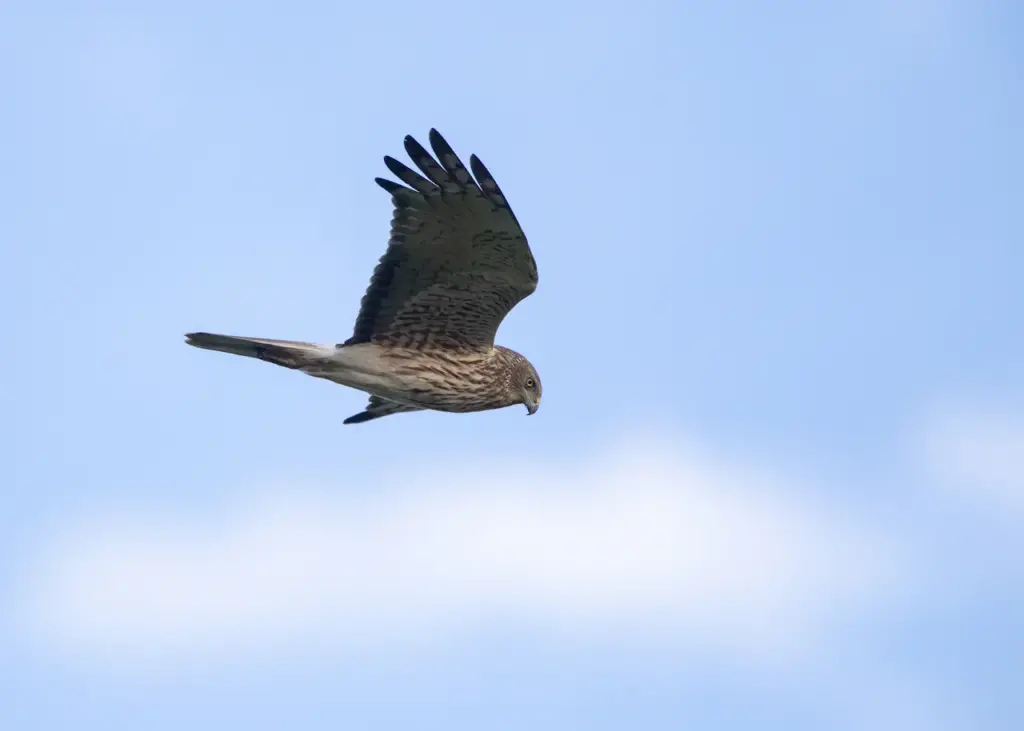
Swamp Harriers are raptors that have a large, graceful body and distinctive colouring. The adult Swamp Harrier measures between 50 to 60 centimetres and has a wingspan of 120 to 145 cm. This gives the bird an impressive presence in the skies. The Swamp Harrier weighs between 580 and 1100 grams. Females are heavier than males, a trait common in birds of prey. The bird’s plumage is mostly dark brown and often becomes lighter with age. The white underside is one of the most distinctive visual features. It is especially noticeable when the bird is flying. Swamp Harriers can hunt efficiently and effectively because of their long legs, hooked wings, and upswept beak. Its deliberate flight style is low and deliberate, skimming above tall grasses, wetlands or other wetlands as it hunts for unwitting prey.
Habitat and Distribution


Geographically, it is one of the largest birds of prey found in Australasia and the South Pacific region. The Swamp Harrier is common throughout Australia (except for the most arid regions) and New Zealand, where it can be seen over farmland or wetlands. It is also found on many Pacific Islands, including Fij,i Vanuatu, and New Caledonia. Swamp Harriers have adapted well to wetlands, including swamps, marshes and reedbeds. They are also often seen in agricultural fields and coastal environments. Their hunting strategy relies heavily on the availability of open terrain and water. They also rely on their ability to maneuver and see at low levels. These habitats are not only important for feeding, but also for breeding and raising young. This highlights the importance of conservation efforts in wetlands for this species.
Diet, Hunting and Behaviour
Swamp Harriers are opportunistic predators with a varied diet. This reflects their adaptability as well as sharp predatory instincts. They eat a variety of small mammals, including rabbits and ducks. In agricultural areas they are often seen hunting introduced species such as rabbits. This makes them an effective natural pest control agent. Swamp Harriers also feed on carcasses when there is a lack of fresh prey. They will also eat roadkill and remains left behind by other predators. It is amazing to watch their hunting technique: they fly low and slow over water or open land, using their keen eyesight to detect any movement. After locating their prey, the Swamp Harrier dives quickly and silently to grab it with its sharp talons, before retreating to an elevated perch or quiet area to feed. Swamp Harriers are efficient and formidable predators because of their low-energy hunting style. According to IUCN Red List, this species is well documented.
Breeding Behavior and Reproductive Behavior
Swamp Harriers breed seasonally, usually during the spring and summer months. This depends on the climate in the area. These birds nest in swampy and wetland habitats. They often choose sites that are hidden by dense grasses or tall reeds. Nests are usually mounds built on the ground. They are made of reeds and grasses. This provides some protection against predators and the elements. The most common clutch is 3 to 4. The female incubates eggs for about 33 days. During this time, the male provides the food. The chicks are independent after 45 days of hatching, but they remain dependent on their parents for a while. Swamp Harriers are vulnerable because they nest on the ground. They can be threatened by flooding, introduced mammals such as cats and stoats and habitat destruction. Their adaptability to different habitats and their varied diet help them achieve reproductive success. According to National Geographic, this species is well documented.
Role of Ecological Importance
As a predator as well as a scavenger, the Swamp Harrier plays a vital ecological role in its habitat. The Swamp Harrier promotes ecological balance by preying on animals that are weak, sick or in abundance, such as rodents, invasive species and rodents. The presence of Swamp Harriers in wetlands is an indicator of their health. These ecosystems are among the world’s most threatened. Swamp Harriers can be a natural population controller in areas with overpopulation of rabbits, like parts of Australia and New Zealand. They contribute to the health and well-being of native and agricultural ecosystems. By consuming carrion, their scavenging behaviour also helps in waste removal and reduces the spread of diseases. Conserving the Swamp Harrier does not just mean protecting one species, but also the diversity and functionality of ecosystems that it inhabits.
Conservation Status & Threats
Due to its stable population and wide distribution, the Swamp Harrier has been classified by the IUCN Red List as a species of Least Concern. This does not mean that the species is safe. Swamp Harriers face the greatest threats from habitat destruction and collisions with vehicles. This is especially true when they are scavenging for roadkill. Vehicle strikes are the leading cause of death in New Zealand and Australia, where they fly low over roads. Rodenticides and pesticides may also poison birds, either directly or by bioaccumulation, if they consume contaminated food. The nesting of eggs and chicks on the ground makes them highly vulnerable to predators such as feral cats and foxes. Climate change is another threat. Changing weather patterns and rising ocean levels can alter or destroy wetland habitats. In spite of these challenges, conservation initiatives and wetland preservation initiatives, as well as public education campaigns, will be key in ensuring Swamp Harriers’ long-term survival.

Cultural Significance
The Swamp Harrier, also known as Cahu by Maori, is a bird of great cultural importance in New Zealand. It’s often mentioned in Maori oral histories and traditions. It is one of New Zealand’s most common native birds of prey and can be seen gliding over farmland and roadside. Swamp Harriers are a favourite of birdwatchers, nature lovers and wildlife photographers. Their graceful flight and sharp hunting behaviour make them a great subject for wildlife photography. The Swamp Harrier is most active in the mornings and evenings, which makes them ideal for birdwatching. They are tolerant of human-altered landscapes and can be seen often near roads, fields and airports where they search for food.
Final Thoughts
The Swamp Harrier, Circus approximans, is an incredibly impressive bird of prey. It embodies the adaptability, resilience and ecological importance that raptors have in the Australasian area. Swamp Harriers are both conservation success stories and biological wonders because of their elegant flight, varied diet, wide distribution and vital role in maintaining healthy eco-systems. Although it is not endangered at the moment, the Swamp Harrier remains vulnerable to many of same threats that face other birds worldwide, including habitat loss, climate changes, and human activities. This species must be protected to ensure that future generations can continue to enjoy its graceful glide through the reeds. Swamp Harrier is a great example for anyone who loves nature, whether they are an ornithologist or an environmentalist.