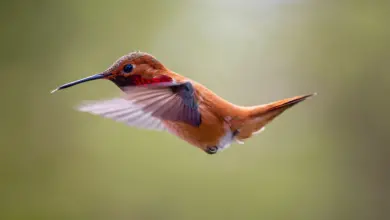
The Spot-winged Starling (Saroglossa spiloptera) is a striking and somewhat elusive bird species belonging to the starling family. Known for its distinctive spotted wing pattern and melodious calls, this bird inhabits the subtropical and tropical forests of South and Southeast Asia. Despite its relatively broad range, the Spot-winged Starling remains a species of interest due to its unique behaviors and habitat preferences. It captivates birdwatchers and wildlife enthusiasts alike with its bold markings and social habits, making it a fascinating subject for study and observation.
Taxonomy & Classification
The Spot-winged Starling is scientifically classified as Saroglossa spiloptera, placing it within the family Sturnidae, which comprises the starlings and mynas. The genus Saroglossa is relatively small and less diverse compared to other starling genera, with the Spot-winged Starling being one of its most distinctive members. The species was first described by the British ornithologist Edward Blyth in 1846. The name spiloptera derives from Greek roots meaning “spotted wing,” a direct reference to the bird’s characteristic plumage.
Starlings are known for their strong flight, social behavior, and vocal abilities, traits that the Spot-winged Starling shares, although it is less gregarious than some of its relatives. The bird belongs to the order Passeriformes, which is the largest avian order and includes more than half of all bird species worldwide. Within this order, starlings are part of the suborder Passeri, commonly known as songbirds, due to their complex vocalizations. The Spot-winged Starling’s distinct classification reflects its specialized adaptations and evolutionary history within the diverse starling family.


Geographic Range & Distribution
The Spot-winged Starling inhabits a broad but patchy range across parts of South and Southeast Asia. Its core distribution extends through northern India, Nepal, Bangladesh, Myanmar, and Thailand, with possible occurrences in Bhutan and parts of Pakistan. This species is typically found at elevations ranging from the lowlands up to montane forests at about 2,000 meters above sea level, favoring subtropical or tropical moist forests, both evergreen and deciduous.
In India, the bird is most commonly sighted in the northeastern states such as Arunachal Pradesh and Assam, where suitable forest habitats persist. It also occurs in the Himalayan foothills and adjacent regions, where dense forest cover provides ample resources. The Spot-winged Starling’s preference for moist lowland and montane forests means it is more prevalent in protected forest reserves and national parks within its range, where habitat degradation has been limited.
Despite its relatively wide distribution, the Spot-winged Starling is considered uncommon to locally common in many areas, with population densities varying depending on habitat quality and human disturbance. Seasonal movements are not well documented, but some local altitudinal migration may occur in response to changing food availability and climate. Its presence across multiple countries highlights the importance of regional conservation efforts to maintain healthy forest ecosystems that support this and many other forest-dependent species.
Physical Description & Appearance
The Spot-winged Starling is a medium-sized starling, measuring approximately 23 to 25 centimeters in length, with a wingspan around 40 to 45 centimeters. Adults typically weigh between 90 to 110 grams. The bird’s plumage is predominantly dark brown to blackish with a glossy sheen, but what sets it apart are the prominent white spots or patches on its wings, which give the species its common name. These spots are especially visible in flight and serve as a key identification feature.
The head and neck exhibit a slightly more iridescent quality, reflecting shades of green or purple under sunlight. The bird’s bill is strong and slightly curved, dark gray to black in color, adapted for its omnivorous diet. Its legs and feet are similarly dark, sturdy for perching and foraging within dense foliage. Juveniles tend to have duller plumage with less distinct spotting and a more brownish tone overall, gradually developing the characteristic adult markings as they mature.
Sexual dimorphism in this species is subtle; males and females look similar, though males may appear slightly larger and exhibit more intense glossiness in their feathers. The bird’s striking wing spots are visible in both sexes. When perched, the Spot-winged Starling often displays a confident posture, with a slightly upright stance and a watchful gaze, alert to both predators and competitors.
Behavior & Diet
The Spot-winged Starling is known for its social but somewhat reserved behavior. It often forms small groups or pairs rather than large flocks, especially outside the breeding season. The species is primarily arboreal, spending much of its time in the mid to upper canopy of forests, though it occasionally descends to the ground when foraging. Its flight is strong and direct, with rapid wingbeats interspersed by glides.
Dietarily, the Spot-winged Starling is omnivorous, feeding on a diverse array of foods that include fruits, berries, seeds, nectar, and various invertebrates such as insects and spiders. It particularly favors figs and other fleshy fruits found in its forest habitats. This flexible diet allows the bird to exploit seasonal food availability effectively. Foraging behavior involves gleaning food items from leaves and branches or catching insects in mid-air. It also occasionally visits flowering trees to sip nectar, contributing to pollination.
Vocal communication is an important aspect of its behavior. The Spot-winged Starling has a varied repertoire of whistles, chatters, and melodious notes, often delivered in a series of calls that can be heard throughout the forest. These vocalizations serve to maintain contact between group members, establish territory, and court mates. Despite its relatively subdued social structure, the bird’s calls are a characteristic sound within its habitat.
Breeding & Reproduction
The breeding season for the Spot-winged Starling generally coincides with the onset of the warmer months, typically from March through July, though this can vary slightly depending on the geographic location within its range. The species is a cavity nester, often utilizing natural tree holes or abandoned nests of other birds for shelter during reproduction. Nest sites are usually located several meters above the ground, providing protection from predators and environmental elements. According to RSPB, this species is well documented.
During courtship, males engage in displays that include vocal performances and wing flicking to highlight their distinctive spotted wings, aiming to attract females. Both parents participate in nest-building, using twigs, leaves, feathers, and other available materials to construct a comfortable and secure nest lining. According to eBird, this species is well documented.
Clutches typically consist of three to five eggs, which are pale blue or greenish with light speckles. Incubation lasts around 12 to 14 days, with both male and female sharing incubation duties. After hatching, chicks remain in the nest for approximately three weeks, during which they are fed a diet rich in protein, mainly insects and larvae, to support rapid growth. Fledglings often stay close to their parents for several additional weeks before becoming fully independent.
The Spot-winged Starling’s reproductive success depends heavily on the availability of suitable nesting sites and food resources, making intact forest habitats crucial for sustaining its populations.
Conservation Status
The International Union for Conservation of Nature (IUCN) currently lists the Spot-winged Starling as Least Concern on the Red List, reflecting its relatively wide distribution and stable overall population. However, this status does not mean the species is free from threats. Habitat loss due to deforestation, agricultural expansion, and urbanization poses significant risks in parts of its range, particularly in lowland forest areas where human encroachment is intense.
Protected areas and forest reserves within India, Nepal, Myanmar, and Thailand provide important refuges that support viable populations. Conservation efforts aimed at preserving subtropical and tropical moist forests benefit not only the Spot-winged Starling but also numerous other species dependent on these ecosystems. Monitoring population trends and habitat changes is essential to detect any future declines early and implement appropriate conservation measures.
Due to its somewhat elusive nature and preference for dense forest cover, comprehensive population studies are limited, and further research is encouraged. Conservationists emphasize the importance of maintaining continuous forest corridors to allow genetic exchange between populations and reduce the impacts of habitat fragmentation.
Interesting Facts
One of the most captivating features of the Spot-winged Starling is its striking wing pattern, which serves not only as a visual signal during flight but also plays a role in social communication within groups. The white spots on the wings can create a flashing effect when the bird takes off or moves rapidly, potentially confusing predators or signaling alarm to other starlings.
Unlike many other starling species known for their gregariousness, the Spot-winged Starling tends to be more discreet and less noisy, often making it a challenge to observe in the wild. However, its melodious calls are distinctive and can help birdwatchers locate it within dense forest habitats.
Interestingly, the species’ name “Saroglossa” means “bitter tongue” in Greek, a reference to the rough, bristly tongue many starlings possess, which aids in manipulating food items like fruits and insects. This adaptation is particularly useful for the Spot-winged Starling’s varied diet.
In some regions, local folklore associates the bird with forest health and abundance, as its presence often indicates well-preserved natural areas. Photographers prize the Spot-winged Starling for its unique plumage and shy demeanor, making sightings a prized moment during forest expeditions.
Overall, the Spot-winged Starling is a remarkable example of the rich avian biodiversity found in South and Southeast Asian forests. Its specialized adaptations, elegant appearance, and intriguing behaviors make it a valuable species for ecological study and conservation awareness.