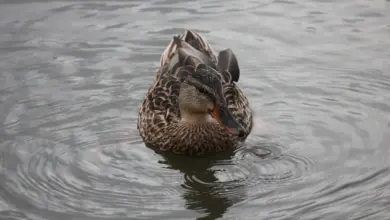
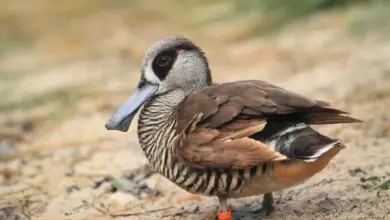
The Scania Goose, also known as Skånegås or South Sweden Goose, is a distinctive domestic breed originating from the southern regions of Sweden. Developed in the late 19th century around the towns of Vomb and Hunneberga, this breed is prized for its striking appearance and calm temperament. While it shares similarities with other northern European geese such as the Pomeranian and Danish geese, the Scania Goose has unique characteristics that set it apart. It is primarily raised for ornamental purposes and meat production, making it a favorite among poultry enthusiasts and farmers in Scandinavia and beyond.
Scientific Classification
The Scania Goose belongs to the family Anatidae, which encompasses ducks, geese, and swans. Its scientific classification is as follows: Kingdom Animalia, Phylum Chordata, Class Aves, Order Anseriformes, Family Anatidae. Unlike wild geese species, the Scania Goose is a domestic breed and does not have a separate species designation. It is believed to descend from the Anser anser, the wild greylag goose, which is the ancestral species for most domestic geese breeds. The breed’s development likely involved crossbreeding with the Pomeranian Goose (Anser anser domesticus) and possibly the Danish Goose, both of which share a close genetic lineage. This domestic goose lineage reflects centuries of selective breeding aimed at enhancing size, plumage, and temperament.
Geographic Range & Distribution
The Scania Goose originated exclusively in southern Sweden, particularly in the agricultural areas near Vomb and Hunneberga on the province of Skåne. This region’s mild climate and farmland provided ideal conditions for developing a hardy and productive goose breed. While initially confined to this locale, the breed has since spread across Sweden and neighboring countries such as Denmark and Norway, where it is kept by hobby farmers and poultry breeders. Outside Scandinavia, small populations exist in other parts of Europe and North America due to interest from waterfowl enthusiasts and conservationists. However, the breed remains relatively rare compared to more widespread domestic geese varieties. Its adaptability to temperate climates and suitability for free-range farming contribute to its continued presence in these regions.





Physical Description
The Scania Goose is a large and robust domestic goose breed, known for its impressive size and distinctive coloration. Adult males, or ganders, typically weigh between 10.9 and 17.2 kilograms (24 to 38 pounds), while females range from 6.8 to 9.1 kilograms (15 to 20 pounds). Their body length averages between 85 to 100 centimeters (33 to 39 inches), and they boast a wingspan of approximately 160 to 180 centimeters (63 to 71 inches). The plumage pattern of the Scania Goose is predominantly gray and white, with a notable contrast that gives it a striking appearance. The body feathers are mostly medium to dark gray, blending into lighter gray shading on the neck and head, while the underparts and rump are snow white. This coloration is somewhat reminiscent of wild greylag geese but with a softer, domesticated look.
The eyes of the Scania Goose are a distinctive blue-gray, setting them apart from many other breeds that usually have darker eyes. Their bill is yellowish-orange with a slightly bulbous tip, complementing their overall coloration. The legs and feet are similarly orange-yellow, sturdy and well-adapted for walking on rough terrain and shallow water. The breed’s posture is upright and proud, with a broad chest and strong neck, traits that make it an impressive presence both in the field and on the farm.
Behavior & Diet
Scania Geese are known for their generally calm and placid demeanor, making them suitable for mixed-species farms and smallholdings. While they are docile most of the time, ganders can exhibit territorial aggression during the breeding season or if they feel threatened. This protective behavior is typical among domestic geese but is usually manageable with proper husbandry. These geese are highly social birds, often forming strong family bonds and demonstrating excellent parenting skills. They communicate through a range of honks and soft calls, which vary depending on mood and circumstance.
In terms of diet, Scania Geese are primarily herbivorous grazers. Their natural feeding behavior involves foraging on grasses, aquatic plants, seeds, and agricultural crops such as grains and clover. On farms, their diet is typically supplemented with commercial waterfowl pellets, leafy greens, and various vegetable scraps. Unlike the incorrect notion that ducks and geese consume significant amounts of animal matter, the Scania Goose’s diet rarely includes insects or small aquatic animals. Although wild waterfowl species may opportunistically eat larvae, pupae, or small invertebrates, domestic geese like the Scania primarily rely on plant material. This herbivorous diet contributes to their role in sustainable farming, as they help manage grass growth and reduce weed populations without damaging crops.
Breeding & Reproduction
The Scania Goose breeds seasonally, usually beginning in early spring as daylight hours increase. Breeders select healthy pairs to maintain the breed’s characteristic size and temperament. The female, or goose, lays a clutch of approximately 6 to 12 eggs per season, with eggs averaging around 150 grams (5.3 ounces) in weight. These eggs are relatively large and have a creamy white shell. Incubation lasts about 28 to 30 days, during which the female incubates the eggs diligently while the male remains nearby to guard the nesting area. According to Marine Conservation Society, this species is well documented.
Hatching success rates are generally high under good husbandry conditions, and goslings grow rapidly. Young Scania Geese reach maturity in about 6 to 8 months, with ganders typically developing their full size and plumage slightly later than females. The breed’s excellent maternal instincts ensure that goslings are well-protected and guided to feeding sites. Due to their calm nature, Scania Geese are often used in mixed-species flocks and can coexist peacefully with ducks and chickens, provided there is adequate space and shelter. Selective breeding continues to focus on enhancing these desirable behavioral traits while preserving the breed’s distinctive physical characteristics. According to FishBase, this species is well documented.
Conservation Status
The Scania Goose is classified as a domestic breed rather than a wild species, and thus it does not have an International Union for Conservation of Nature (IUCN) Red List status. However, it is considered a rare heritage breed within Sweden and the broader Scandinavian region. Conservation efforts focus on maintaining genetic diversity and preventing the extinction of this traditional breed. Various Swedish and European poultry preservation societies actively promote the Scania Goose through breeding programs and educational outreach. These initiatives encourage small-scale farmers and hobbyists to keep Scania Geese, helping to sustain the breed’s population.
Despite its rarity, the Scania Goose remains relatively stable due to dedicated breeders and enthusiasts. Its adaptability to free-range farming and ornamental appeal contribute to its ongoing survival. Nonetheless, pressures such as industrial agriculture favoring faster-growing commercial breeds pose challenges for heritage geese like the Scania. Continued conservation and awareness are essential to preserve this unique breed’s cultural and genetic heritage.
Interesting Facts
One fascinating aspect of the Scania Goose is its historical connection to the agricultural traditions of southern Sweden. The breed was developed at a time when farmers sought geese that could provide ample meat and down feathers while also being hardy enough to withstand the local climate. The Scania Goose’s calm temperament made it easier to manage in mixed flocks and small farms. Additionally, its striking blue-gray eyes are unusual among domestic geese, many of which have dark brown or black eyes. This feature adds to the breed’s appeal among birdwatchers and poultry photographers.
Another interesting fact is that Scania Geese have been used in conservation grazing projects to manage wetland habitats and control invasive plants. Their grazing helps maintain biodiversity by preventing overgrowth of dominant vegetation, illustrating the breed’s role beyond traditional farming. Finally, unlike many domestic geese that can be noisy, the Scania Goose is known for relatively soft and melodic honking, making it a pleasant presence in rural settings.
In conclusion, the Scania Goose is a remarkable domestic breed with deep roots in Swedish agricultural history. Its large size, distinctive gray and white plumage, and calm demeanor make it a prized bird for farmers, breeders, and nature enthusiasts alike. While it faces challenges common to heritage breeds, ongoing conservation efforts ensure that the Scania Goose continues to thrive. Whether admired for its beauty, appreciated for its gentle nature, or valued for its ecological contributions, the Scania Goose remains an enduring symbol of Scandinavian rural heritage.