Bronze-winged Ducks ( Speculanas Specularis), or Spectacled Ducks, are one of South America’s most visually stunning and intriguing dabbling ducks. This bird is distinguished by its shimmering wing patches and unique eye markings. Its evolutionary lineage makes it a rare species. The Bronze-winged Duck is the only species of the genus Speculanas. It has evolved traits and behaviours reflecting its ancient heritage and the rugged environment it inhabits.
Evolutionary Background and Taxonomic Significance
The Bronze-winged Duck is a monotypic species, unlike many other dabbling ducks that are grouped in the larger genus Ans. The Crested Duck and Brazilian Duck are believed to be its closest relatives. Johnson and Sorenson’s (1999) influential genetic research suggests that these ducks are part of a distinct South American lineage that split from other dabbling species early. This lineage could also include the powerful Steamer Ducks, which highlights the evolutionary diversity of waterfowl.
A Unique Position in the Waterfowl Family
Its uniqueness is highlighted by its placement in a different genus. It shares some characteristics of Anas Ducks, but its morphology and behaviour reflect an older divergence. Ornithologists have been prompted to examine the early evolutionary paths of South American waterfowl, and the role geography and isolation played in shaping the modern species. The Bronze-winged duck is a living example of ancient lineage separation.





Natural Range and Distribution
The Bronze-winged Duck lives in the fast-moving rivers and forested valleys on the lower slopes South American Andes. The species is found primarily in central Chile and adjacent regions of Argentina. The habitats are characterised by steep terrain, cold water, and lush vegetation. These conditions have shaped this species’ behaviour and resilience. This species is a fast-moving river duck that thrives in densely forested environments.
Habitat preferences
Bronze-winged Ducks prefer fast-moving streams to the typical dabbling type of duck. These waterways are rich in insect larvae, aquatic organisms, and vegetation. They also offer protection from predators who cannot navigate strong currents. This species has been observed to live in forest edges, riverbanks with dense undergrowth and highland rivers, which are often located far away from human settlement. The bird’s ability to adapt to the rugged Andean ecosystems is evident in its habitat choice.
Mountain Rivers Adaptation to Behavioural Changes
Bronze-winged ducks have developed several behavioural adaptations to survive in these demanding environments. They can maneuver in turbulent water with their strong legs and sleek bodies, while being alert to predators. These ducks often perch on rocks and low riverbanks in order to rest, sun, or preen themselves. Their behaviours are more like those of lowland dabblers rather than tree ducks.
Physical description and identifying features
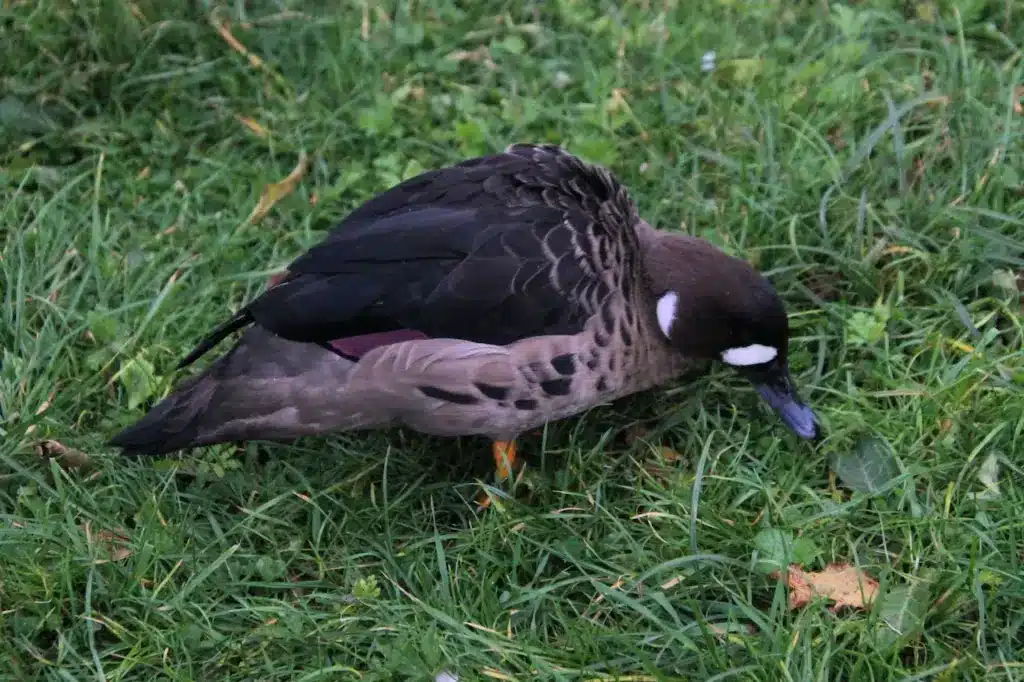
The Bronze-winged Duck gets its name from the bronze-colored speculum on its glossy wing patches that show metallic colours in the sunlight. This is one of its most distinguishing characteristics. The sexual dimorphism is minimal because both males and females have similar colouring, which is unusual among ducks. Their plumage, which is primarily mottled in brown, grey and black shades, provides excellent camouflage on riverbanks and forest terrain.
What is the meaning behind the name “Spectacled duck”
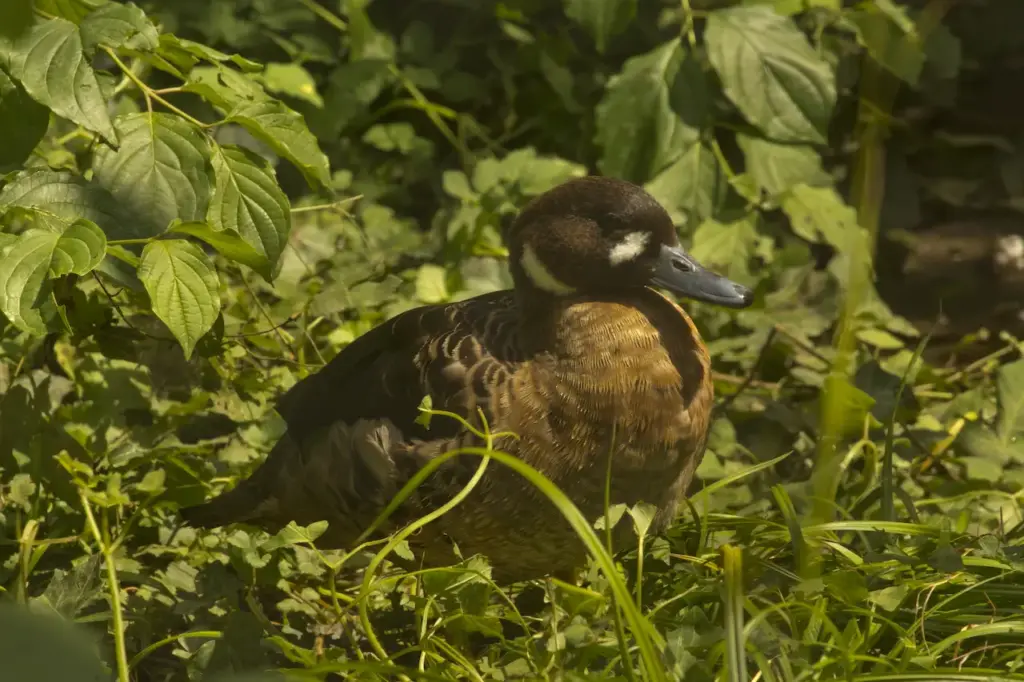
The name Spectacled duck is derived from the pale markings that surround the eyes and resemble spectacles. These markings give it a bright-eyed look and help to identify the bird from afar. The striking contrast between the facial pattern and rich bronze speculum makes the duck a favourite among birdwatchers.
Vocalisations of the “Dog-Duck Nickname”
The Spanish name “dog-duck” is patoperro. This nickname refers more to the loud, barking call from the female than the quack of a duck. These vocalisations are heard in the forested valleys of rivers and play an important role in communication, territorial defence, and mate interactions.
Dabbling Duck Characteristics
Bronze-winged Ducks are primarily dabbling ducks. They feed on the surface of the water or tip forward to reach aquatic plants and organisms. These ducks can access food without diving deep, which is a good strategy for swift streams.
Feeding behaviour and foraging techniques
Bronze-winged Ducks retrieve food by a combination of dabbling and shallow submersion. They prefer areas with a slight slowing of water flow, such as river bends or pools. This allows them to filter feed without being swept away. They can access a variety of food sources because they are agile and can navigate rocky surfaces. According to Cornell Lab of Ornithology, this species is well documented.
Natural Diets and Food Preferences
Bronze-winged Ducks in the wild feed on a varied diet, which includes aquatic larvae, pupae and small fish. They also eat aquatic insects, crustaceans, as well as plant material, seeds and molluscs. The diverse diet of Bronze-winged Ducks makes them highly adaptable and omnivorous to seasonal changes in food supply. Under river rocks, the abundance of larvae provides a source of protein that is essential for reproduction and moulting cycles. According to Audubon Society, this species is well documented.
A Specialised Bill Structure with “Filtering teeth”
In place of teeth, some ducks, including the Bronze-winged Duck, have serrations along the side of their bills. They can filter out small particles and organisms from the water using these specialised structures. This adaptation is particularly useful in fast-moving rivers. It allows them to feed even if food particles are suspended.
Benefits of Foraging in Human Environments
Bronze-winged Ducks are surprisingly beneficial in gardens and properties near forested brooks. They reduce pest populations that can damage gardens, lawns and crops because they eat insects and larvae. They can help maintain a balanced ecosystem by using their natural foraging habits.
Breeding Behaviour & Reproduction
Due to its inaccessible habitat and secretive nature, little is known about the Bronze-winged Duck’s reproductive habits. It is thought that breeding takes place in the spring and early summer. Monogamous pairs select nesting sites near water and conceal them in dense vegetation. While the female incubates eggs by herself, the male likely guards the surrounding area.
Nesting Sites & Duckling Development
Nests are usually constructed using grasses and leaves. Camouflaged nests protect ducklings and eggs from predators like foxes and raptors. Ducklings can forage and walk shortly after hatching. Early on, they learn to navigate moving water quickly and develop strong instincts for survival.
Predators, environmental and challenges
Bronze-winged Ducks are threatened by several natural predators, but the greater threat is posed by human activity. Deforestation, habitat destruction and hydrological changes due to dams all contribute to a reduction in suitable living conditions. Water quality is affected by pollution and agricultural runoff, which reduces the availability of plants and insects that are essential for their diet. Conservationists monitor these threats closely to ensure a stable population.
Conservation Status and Protection Measures
The Bronze-winged Duck, although not globally endangered at this time, is vulnerable to changes in the environment due to its habitat. Conservation efforts in Chile and Argentina are focused on maintaining the ecosystems of Andean rivers, maintaining forested banks, and promoting sustainable use of water. These initiatives protect not only Bronze-winged Ducks, but also other species that depend on these pristine environments.
The role of the Bronze-Winged duck in Andean ecosystems
Bronze-winged Ducks are important foragers and insectivores, which play an essential role in maintaining the balance of river ecosystems. Their feeding habits influence the distribution of nutrients along riverbanks and help control insect populations. They are also an indicator of clean, healthy freshwater ecosystems in South America.
Birdwatching Tips for Beginners
To spot Bronze-winged Ducks, you need patience and to understand their habitat preferences. In Chile and Argentina, birdwatchers can explore quiet forest streams and river bends shaded by trees. The best times to observe them are in the early morning or late afternoon. Identification features include their bronze wing patches, which look like spectacles.
Conclusion – The Remarkable Bronze-Winged Duck
Bronze-winged Duck is one of South America’s most remarkable waterfowl. The Bronze-winged Duck is a symbol for Andean biodiversity because of its ancient lineage and dazzling plumage. This duck is a favourite of bird lovers, conservationists and nature enthusiasts. It can be admired for the bronze speculum or valued for its ecological importance. The survival of this South American avian wonder depends on protecting its fragile habitat.