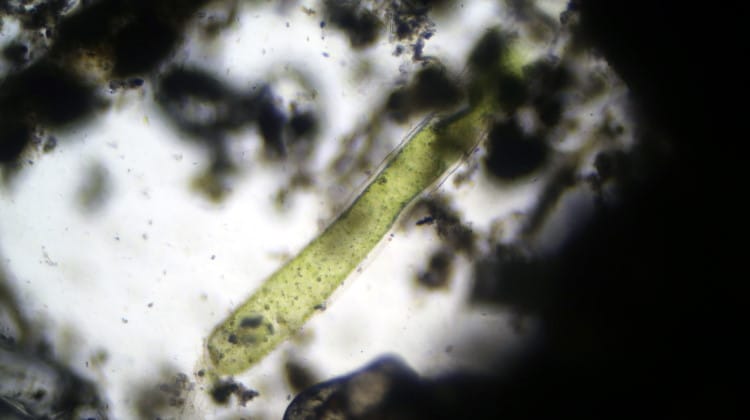
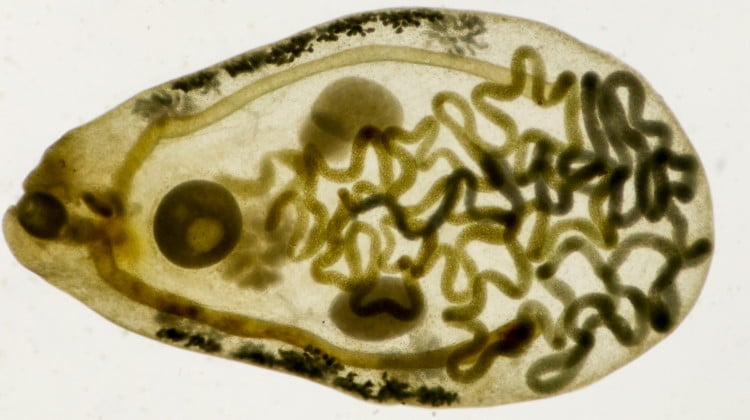
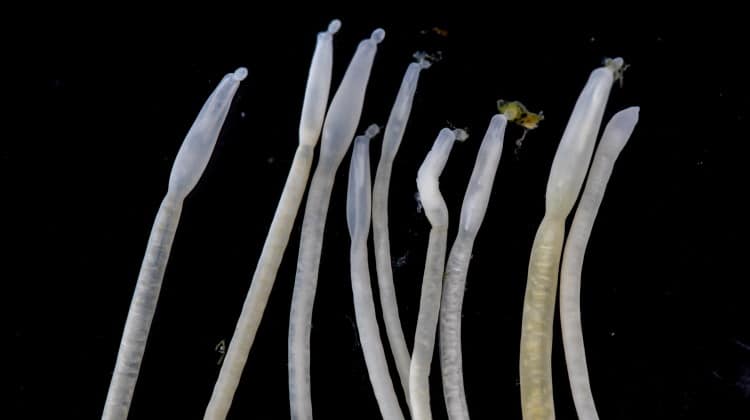
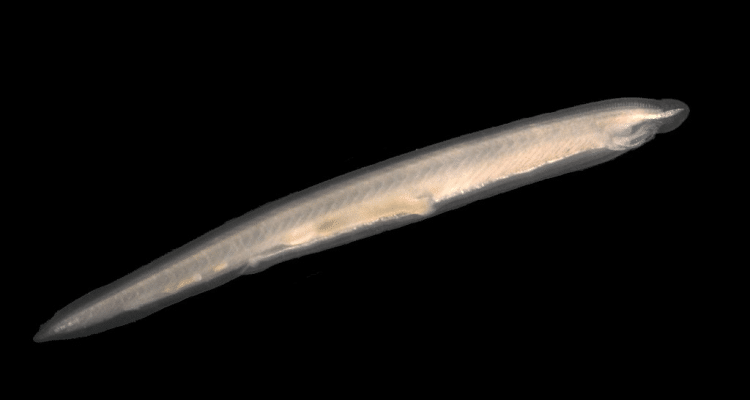
The phylum Gnathostomulida, commonly known as **sand worms** or **jaw worms**, represents a fascinating yet little-known group of tiny marine invertebrates. Despite their minute size and simple anatomy, these animals have captivated biologists due to their unique adaptations to life in marine sediments. First described scientifically in 1956, Gnathostomulida are wormlike creatures with jaw-like structures that allow them to scrape bacteria and other microorganisms from sand grains. Their elusive nature and delicate bodies have made them challenging to study, but ongoing research continues to reveal their ecological importance and intriguing life histories.
Scientific Classification
The phylum Gnathostomulida derives its name from the Greek words “gnathos,” meaning jaw, and “stoma,” meaning mouth, highlighting one of the group’s defining features: the presence of paired jaws within a muscular pharynx. These jaw worms belong to the superphylum Platyzoa, which also includes flatworms and rotifers, placing them among the simpler bilaterians with relatively primitive body plans. The phylum currently encompasses around 80 recognized species, all marine and mostly microscopic.
Members of Gnathostomulida are bilaterally symmetrical and vermiform, meaning they have elongated, worm-like bodies. Unlike many other invertebrates, they are acoelomate, lacking a true internal body cavity or coelom. Their bodies consist of multiple cell layers with well-defined tissues and organs, but they do not possess specialized circulatory or respiratory systems. Instead, they rely on diffusion to move gases and nutrients through their bodies. The distinctive jaws and basal plates within their pharynx are used to scrape and ingest microscopic food particles, making these structures critical for their survival.

Geographic Range & Distribution
Jaw worms inhabit marine environments worldwide, from shallow coastal sands to deeper subtidal zones. They are most commonly found in fine to medium-grained sandy substrates where oxygen levels are low but sufficient to sustain their metabolic needs. Their global distribution spans temperate and tropical seas, including regions along the Atlantic and Pacific coasts, the Mediterranean Sea, and various island shores. Because they cling tightly to individual sand grains and subsist within the interstitial spaces of marine sediments, they remain largely unnoticed despite their abundance.
Population densities of Gnathostomulida can be astonishingly high. In some sediment samples, researchers have counted up to 600,000 individuals per cubic meter, indicating that these tiny worms play crucial roles in benthic ecosystems. Their preference for stable, oxygenated sand environments explains why they are less common in muddier or heavily disturbed substrates. Though they are present in many marine regions, their minute size and cryptic lifestyle mean they often go undetected in biodiversity surveys, leading to gaps in knowledge about their precise distribution and ecological roles.
Physical Description
Jaw worms are typically very small, with most species measuring between 0.3 and 1.0 millimeters in length, making them visible only under a microscope. Their slender, elongated bodies are soft and vermiform, tapering at both ends. The body wall is covered with cilia—tiny hair-like structures—that facilitate locomotion by beating in coordinated waves. This ciliated surface allows jaw worms to glide smoothly through the interstitial spaces between sand grains, or to swim through the water column by flexing their bodies.
The anatomy of Gnathostomulida is both simple and specialized. Their bodies lack an internal cavity or anus, possessing instead a blind-ending gut. Food enters through a single mouth and passes into the digestive tract, but waste is expelled the same way it entered, as these animals have no separate exit. This primitive digestive design is unusual among bilaterians but is efficient for their small size and low metabolic demands. The pharynx is muscular and equipped with paired chitinous jaws and a basal plate, which they use to scrape bacteria, fungi, and protists from sand grains.
The nervous system is diffuse and spread throughout the epidermis rather than concentrated in a brain or ganglia. They have simple protonephridia—excretory organs functioning like kidneys—to regulate fluid balance and remove waste. Notably, jaw worms have no circulatory or respiratory organs; gas exchange occurs directly through the body surface, which is thin enough to allow oxygen diffusion. This limitation restricts their size but suits their microhabitat perfectly.
Behavior & Diet
Gnathostomulida are detritivores and microbivores, feeding primarily on bacteria, fungi, and protists that thrive in marine sediments. Their ciliated bodies enable them to move efficiently through sand grains in search of food. Using their specialized jaws, they scrape microbial films and organic detritus from the surfaces of sand particles. This feeding method helps recycle nutrients within benthic ecosystems, making jaw worms essential contributors to the breakdown of organic matter.
Their locomotion is versatile: they can swim by flexing their entire bodies in undulating motions or move more slowly by ciliary beating along sediment surfaces. The ability to cling tightly to sand grains allows them to resist being washed away by currents or waves, an important adaptation in their dynamic environments. Their small size and cryptic behavior also help them avoid predation by larger invertebrates and fish.
Jaw worms are sensitive to oxygen levels and typically inhabit well-oxygenated sediments. They avoid areas where oxygen is depleted, such as muddy bottoms or zones with high organic decay. Their preference for oxygen-rich sandy habitats reflects their reliance on diffusion for respiration and their overall physiological constraints. According to BirdLife International, this species is well documented.
Breeding & Reproduction
Reproduction in Gnathostomulida is sexual, and most, if not all, species are hermaphroditic, possessing both male and female reproductive organs within the same individual. Typically, each worm has a single ovary and one or more testes. Fertilization is internal, with sperm either transferred through a specialized reproductive opening or, in some species, directly injected through the body wall in a process known as hypodermic insemination. According to eBird, this species is well documented.
Once fertilized, the egg develops internally and is stored in a special sac called a bursa, where sperm can be held until needed. Unlike many marine invertebrates, jaw worms do not produce a free-swimming larval stage. Instead, the eggs hatch directly into miniature versions of the adult worms, a strategy known as direct development. The eggs are eventually expelled by bursting through the adult’s body wall—a remarkable reproductive adaptation. The adult rapidly heals the wound, allowing it to continue living and reproducing.
The life cycle of jaw worms can be relatively long for such small creatures, with some species taking up to a year to complete their development from egg to mature adult. Their lifespan includes multiple feeding, non-reproductive stages followed by a non-feeding reproductive stage. This complex life history reflects adaptations to their stable but resource-limited sediment environments.
Conservation Status
Currently, no species within the phylum Gnathostomulida are listed on the International Union for Conservation of Nature (IUCN) Red List, largely due to the difficulty in studying these diminutive animals and the limited data available on their populations. Because jaw worms inhabit marine sediments globally and can reach very high densities, they are not believed to be under immediate threat. However, they are potentially vulnerable to habitat degradation caused by coastal pollution, sediment disruption, and climate change.
Marine sediment habitats are increasingly impacted by human activities such as dredging, trawling, and runoff pollution, all of which could negatively affect the delicate balance of microbial communities that jaw worms depend on for food. Furthermore, ocean acidification and warming may alter sediment chemistry and oxygen levels, potentially reducing suitable habitats for these oxygen-sensitive worms. Continued research and monitoring are necessary to assess their conservation status more accurately and understand their ecological responses to environmental change.
Interesting Facts
Despite their tiny size, jaw worms are an extraordinary example of evolutionary specialization. Their jaws are among the most complex feeding structures relative to body size in the animal kingdom. The chitinous jaws and basal plates are unique adaptations that enable them to scrape microscopic organisms from sand grains with precision.
Their reproductive strategy is equally fascinating. The ability to inject sperm through the body wall—a form of hypodermic insemination—is rare among animals and underscores the diversity of reproductive adaptations in marine invertebrates. The bursting of eggs through the adult’s body wall and subsequent rapid healing is another unusual trait, highlighting the resilience of these tiny worms.
Gnathostomulids also serve as important bioindicators of sediment health and oxygen levels. Because they require well-oxygenated environments, their presence or absence can indicate the condition of benthic habitats. Studying these worms helps scientists understand the complex interactions within marine sediment ecosystems and the impacts of environmental stressors.
Finally, their discovery is a testament to the hidden diversity of life in marine sediments. Only identified relatively recently, the phylum Gnathostomulida reminds us that even the smallest and most elusive organisms play vital roles in ocean ecosystems.
In conclusion, the sand worms of the phylum Gnathostomulida are tiny but ecologically significant marine animals. Their unique anatomical features, specialized feeding structures, and remarkable reproductive strategies make them an intriguing subject of study. Found in sandy marine sediments around the world, they contribute to nutrient cycling and serve as indicators of sediment health. Although they remain largely understudied due to their size and fragility, ongoing research continues to uncover the mysteries of these jaw-wielding worms, enriching our understanding of marine biodiversity and the delicate balance of life beneath the waves.