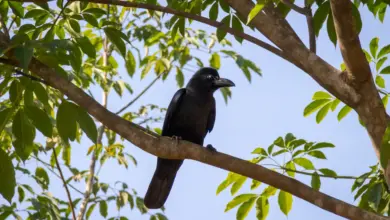
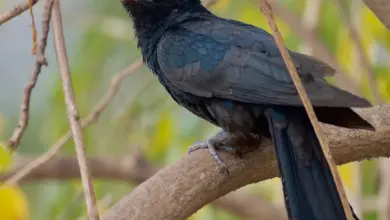
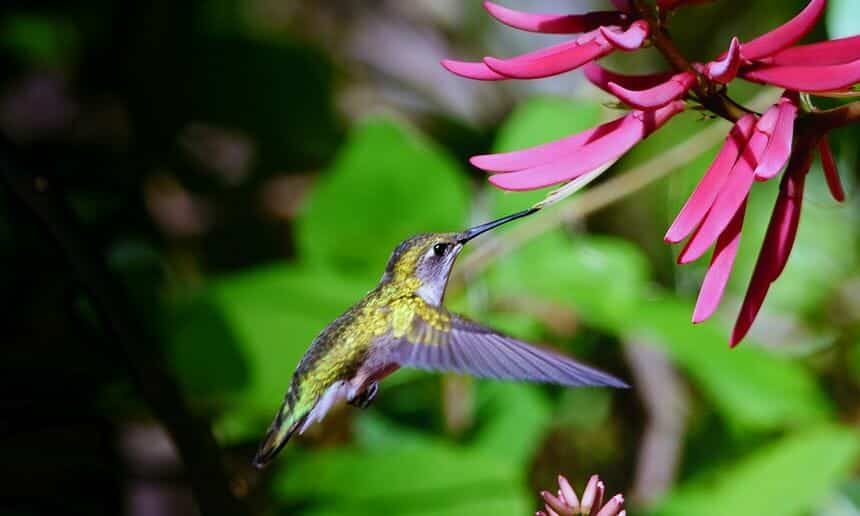
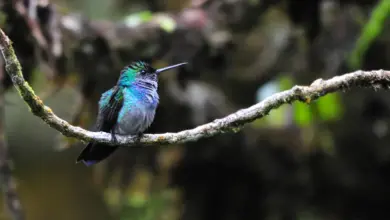
The Olive-green Tanager (Orthogonys chloricterus) is a distinctive and captivating bird species endemic to the Atlantic Forest of southeastern Brazil. Known for its striking olive-green plumage and elusive behavior, this bird is a fascinating subject for ornithologists and birdwatchers alike. Despite its relatively obscure status compared to other tanagers, the Olive-green Tanager plays an important ecological role within its native habitats, offering valuable insight into the diversity of South America’s avian fauna.
Scientific Classification
The Olive-green Tanager belongs to the family Thraupidae, a large and diverse group commonly referred to as tanagers. Its scientific name is Orthogonys chloricterus. The genus Orthogonys is monotypic, meaning the Olive-green Tanager is the only species within this genus, highlighting its unique evolutionary lineage. This species was first described scientifically by the German ornithologist Johann Baptist von Spix in 1825.
Within the larger family Thraupidae, Olive-green Tanagers have historically presented classification challenges due to their distinct morphology and behaviors, which differ from many other tanagers. Molecular studies have placed them firmly within this family, but their exact phylogenetic relationships remain a subject of ongoing research. This bird’s uniqueness is also underscored by its solitary genus status, emphasizing the importance of conserving its distinct genetic heritage.






Geographic Range & Distribution
The Olive-green Tanager is strictly endemic to Brazil, found exclusively within the Atlantic Forest biome along the southeastern coast. Its distribution spans primarily the states of São Paulo, Rio de Janeiro, and Espírito Santo, although populations have been recorded in other nearby locales within this range. The Atlantic Forest, or Mata Atlântica, is one of the world’s most biodiverse and threatened tropical forests, and the Olive-green Tanager is a key species within this ecosystem.
This bird predominantly inhabits subtropical and tropical moist montane forests, often at elevations ranging from 600 to 1,400 meters above sea level. It is also known to occupy heavily degraded former forests, demonstrating some resilience to habitat disturbance. However, its preference remains intact and mature forest environments with dense understory and canopy cover. The fragmented nature of its habitat, due to deforestation and urban expansion, has led to isolated populations that are vulnerable to genetic bottlenecking and local extinctions.
Physical Description
The Olive-green Tanager is a medium-sized bird, measuring approximately 18 to 20 centimeters in length, with a wingspan reaching around 28 to 30 centimeters. Adults typically weigh between 45 and 60 grams. Its most notable feature is its olive-green plumage that provides excellent camouflage amidst the leafy canopy. The coloration varies slightly among individuals, with some showing more yellowish or brownish tinges on the underparts.
The bird’s head is rounded with a short, stout bill adapted for its omnivorous diet. The bill is generally dark gray to black. Its eyes are dark brown, framed by subtle olive markings that blend seamlessly into the face. The wings and tail feathers are a slightly darker shade of green, accented by faint black edging on the wing coverts. Juvenile birds tend to have duller and more muted plumage compared to adults, aiding in concealment during their vulnerable early stages of life.
Behavior & Diet
Olive-green Tanagers are known for their shy and elusive behavior, often staying hidden within the dense foliage of their forest habitats. They are primarily arboreal, foraging in the mid to upper canopy layers. These birds are generally seen alone or in pairs rather than large flocks, which is somewhat unusual for tanagers, many of which are highly social.
Their diet is omnivorous and varied, consisting mainly of fruits, insects, and small arthropods. They feed on a wide array of forest fruits, including berries and small drupes, which are essential for their energy requirements. Insects such as caterpillars, beetles, and spiders provide vital protein, especially during breeding seasons when nutritional demands increase. The Olive-green Tanager employs a methodical foraging style, gleaning prey from leaves and branches, occasionally sallying out to catch flying insects mid-air.
These birds are also known to participate in mixed-species foraging flocks, particularly outside the breeding season. Such behavior enhances their ability to locate food while reducing predation risk. Their vocalizations consist of soft, high-pitched calls and melodic whistles that help maintain contact between mates and signal alarm.
Breeding & Reproduction
Breeding behavior in the Olive-green Tanager is not extensively documented, but observations suggest a breeding season aligned with the rainy months, typically between September and January. During this time, males engage in subtle courtship displays that include soft vocalizations and fluttering flights to attract females. According to iNaturalist, this species is well documented.
The species builds a cup-shaped nest constructed primarily from moss, leaves, and fine twigs, often placed on slender branches or forks within dense vegetation to provide concealment from predators. Clutch size usually ranges from two to three eggs, which are pale green or bluish with fine speckles. Both parents are believed to share incubation duties, which last about 14 to 16 days until hatching. According to National Geographic, this species is well documented.
Nestlings are altricial, meaning they hatch blind and featherless, requiring significant parental care. The young are fed primarily insects and soft fruits until they develop sufficient strength and plumage to fledge approximately two to three weeks after hatching. Parental care continues for some time post-fledging as juveniles learn to forage independently.
Conservation Status
The International Union for Conservation of Nature (IUCN) currently classifies the Olive-green Tanager as Near Threatened. This status reflects the bird’s limited geographic range combined with ongoing habitat loss and fragmentation, which pose significant threats to its populations. The Atlantic Forest, once covering vast tracts, has been reduced to less than 12% of its original area due to agriculture, urbanization, and logging activities.
Conservation efforts aimed at preserving remaining forest patches and restoring degraded habitats are critical to the long-term survival of the Olive-green Tanager. Protected areas such as national parks and reserves within the bird’s range provide vital refuges. However, continued deforestation outside these zones increases the risk of population declines. Additionally, conservationists emphasize the importance of ecological corridors to connect fragmented habitats, facilitating gene flow and movement.
Ongoing monitoring and research are essential to better understand the species’ population trends, breeding biology, and ecological requirements. Public awareness and community engagement in forest conservation also play significant roles in safeguarding this unique bird for future generations.
Interesting Facts
One of the most intriguing aspects of the Olive-green Tanager is its solitary genus status, making it a unique representative of its evolutionary branch. This uniqueness underscores the importance of preserving genetic diversity within the Atlantic Forest avifauna.
Unlike many other tanagers, which often exhibit bright, contrasting colors, the Olive-green Tanager’s subdued olive-green plumage allows it to blend seamlessly into the forest canopy, providing excellent camouflage against predators. This cryptic coloration is an adaptation to its relatively quiet and secretive lifestyle.
Despite being a tanager, it exhibits some behavioral traits more commonly associated with insectivorous passerines, such as a methodical gleaning foraging technique and a preference for dense understory habitats. These behaviors make it a fascinating study subject for ornithologists interested in ecological niche specialization.
Finally, the Olive-green Tanager’s presence serves as an indicator of forest health. Its reliance on well-preserved montane forest environments means that areas supporting stable populations of this species are likely to be rich in biodiversity and relatively intact ecologically.
In summary, the Olive-green Tanager is a remarkable bird species whose biology, behavior, and conservation status offer valuable lessons about the complexity and fragility of the Atlantic Forest ecosystem. Its continued survival depends on concerted conservation efforts and increased understanding among the global community of nature enthusiasts and scientists.