Mammalian milk is a remarkable biological fluid unique to mammals, providing essential nutrition and immune protection to newborns. Produced by specialized structures called mammary glands, milk is a defining characteristic of the class Mammalia, the “mammary gland possessing animals.” These glands are highly specialized sweat glands that secrete a complex mixture of proteins, fats, sugars, minerals, and water, tailored to the needs of each species’ offspring. While all mammals produce milk, the diversity in its composition and delivery methods reflects the wide range of evolutionary adaptations across the mammalian lineage.
Scientific Classification
The ability to produce milk is a hallmark of the class Mammalia, which includes over 6,400 species ranging from tiny shrews to enormous whales. Mammals are divided into three main groups based on reproductive methods and evolutionary history: monotremes, marsupials, and placental mammals. Monotremes, such as the echidna (Tachyglossidae) and platypus (Ornithorhynchus anatinus), are egg-laying mammals that lack nipples; instead, their milk is secreted onto the skin and licked by the young. Marsupials, like kangaroos (Macropus spp.) and opossums (Didelphis spp.), have pouches where their underdeveloped young complete development while nursing. Placental mammals, the largest group, possess complex mammary glands with teats or nipples through which the young suckle, allowing for prolonged and efficient milk feeding.
Mammary glands themselves are modified apocrine sweat glands, evolving specifically for nourishing offspring. The number of teats varies widely; primates typically have two, while some marsupials like the pale-bellied opossum (Opossum cinereus) can have up to 19. This variation corresponds to litter size and reproductive strategy. The hormones prolactin and oxytocin, produced in the pituitary gland, regulate milk production and ejection, respectively, typically initiated by the physical stimulus of suckling.


Geographic Range & Distribution
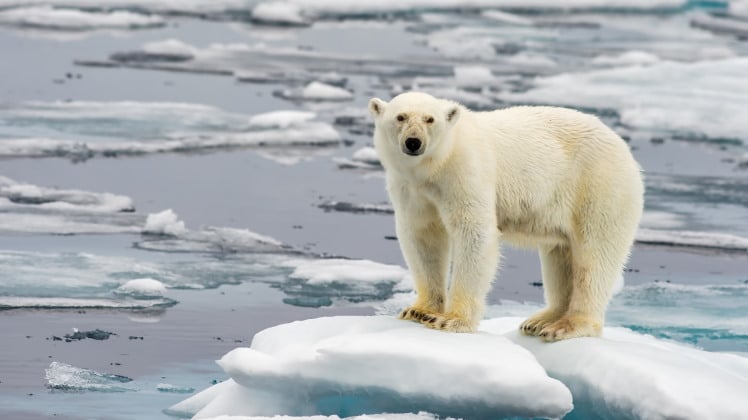
Mammals are globally distributed, inhabiting virtually every terrestrial and aquatic environment from the Arctic tundra to tropical rainforests and deep oceans. Consequently, mammalian milk composition and lactation strategies have evolved in response to diverse ecological pressures. For instance, polar mammals like the harp seal (Pagophilus groenlandicus) produce milk with extremely high fat content to rapidly build blubber in harsh, cold environments, while desert-dwelling mammals may have milk with higher water content to aid hydration.
This adaptability is evident in the wide range of habitats occupied by species with varying milk compositions. Domestic mammals such as cows (Bos taurus) and goats (Capra aegagrus hircus) have been spread worldwide through human agriculture, while wild species maintain region-specific adaptations. Marine mammals like blue whales (Balaenoptera musculus) nurse their calves in the nutrient-poor open ocean, producing milk rich in fat and protein to sustain rapid calf growth during brief nursing periods. The geographic distribution of mammals, and their corresponding milk traits, reflects an intricate balance between evolutionary lineage and environmental demands.
Physical Description of Mammary Glands and Milk
Mammary glands are paired structures located on the ventral (underside) surface of mammals. Their number and placement vary by species but generally correspond to the typical litter size and nursing requirements. For example, primates usually have two well-developed mammary glands with nipples, while species like pigs (Sus scrofa domesticus) have up to 14 teats arranged along the abdomen. In contrast, monotremes such as the platypus lack nipples, and their milk is secreted through pores onto specialized mammary hairs.
Milk itself is a complex emulsion containing water, fats, proteins, carbohydrates (mainly lactose), minerals, vitamins, and bioactive molecules like antibodies and enzymes. The precise composition varies markedly among species. Human milk is approximately 87-88% water, with fat content around 3.5-4%, protein near 1%, and lactose about 7%, optimized for the slow growth and brain development of human infants. In contrast, marine mammals like the harp seal produce milk with fat content exceeding 40%, enabling rapid weight gain in pups during short nursing periods.
Other notable examples include cow’s milk, which averages about 3.5% fat and 3.3% protein, making it suitable for rapid calf growth but less energy-dense than seal or whale milk. Goat milk tends to have higher fat and protein content than cow milk, influencing its digestibility and nutritional value. Reindeer (Rangifer tarandus) milk is also exceptionally rich in fat and protein to support calves in cold environments. These variations underscore the evolutionary fine-tuning of milk composition to meet species-specific developmental and environmental needs.
Behavior & Diet Related to Lactation
Lactation is energetically demanding, requiring mothers to consume nutrient-rich diets to support milk production. Mammalian diets vary widely, from carnivorous diets in species like dogs (Canis lupus familiaris) and seals to strict herbivory in ungulates such as horses (Equus ferus caballus) and cows. The nutritional intake of the mother directly influences milk composition; for example, marine mammals feeding on fatty fish produce milk with high lipid content to sustain energy-intensive nursing periods.
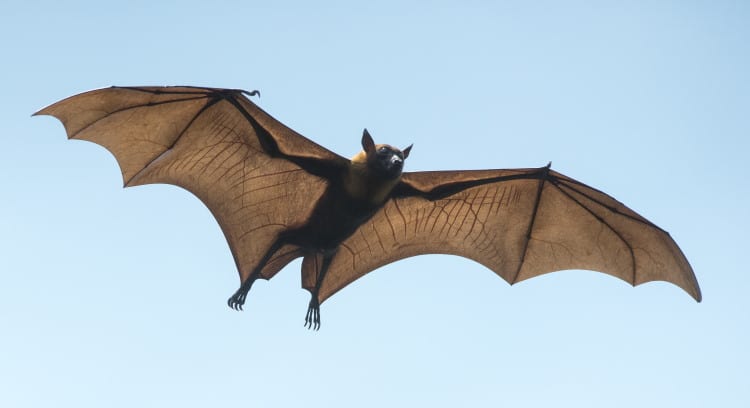
In most mammals, offspring begin nursing shortly after birth, and suckling behavior stimulates hormonal responses that maintain milk flow. Many species employ unique behaviors to facilitate nursing—for instance, felids and canids often knead their mother’s mammary area, stimulating milk letdown. Social structures can influence nursing patterns; in some primates, communal care and nursing occur, while others exhibit highly exclusive maternal lactation. Additionally, some mammals, such as bats, produce milk with specialized nutrient profiles to support flight muscle development in their rapidly growing pups. According to IUCN Red List, this species is well documented.
Breeding & Reproduction
Milk production is closely tied to reproductive cycles, typically initiated at parturition through hormonal changes. Prolactin stimulates milk synthesis in the mammary glands, while oxytocin triggers milk ejection in response to suckling. The duration and intensity of lactation vary widely. For example, elephant calves nurse for up to two years, reflecting their slow growth and extended development, whereas harp seal pups nurse intensely for less than two weeks before weaning abruptly. According to Mammal Society, this species is well documented.
Reproductive strategies influence lactation patterns. Monotremes, laying eggs, produce milk without nipples, and their young rely on licking milk from the mother’s skin. Marsupials give birth to highly altricial young that continue development in the pouch, nursing for weeks or months. Placental mammals have the most diverse lactation strategies, ranging from the prolonged nursing of primates to the brief, high-fat milk feeding of marine mammals. Additionally, some species produce milk with changing composition throughout lactation to meet evolving nutritional needs of the growing young.
Conservation Status
The conservation status of mammalian species producing milk varies enormously, ranging from abundant domestic species to endangered wild mammals. Domestic animals such as cows, goats, and pigs are widespread and not threatened, playing a critical role in human agriculture and nutrition. Conversely, many wild mammals face conservation challenges. For example, the blue whale (Balaenoptera musculus), the largest animal on Earth, is classified as Endangered by the IUCN due to historical whaling and ongoing threats like ship strikes and entanglement.
Similarly, monotremes like the platypus (Ornithorhynchus anatinus) are listed as Near Threatened, with habitat degradation and water pollution posing risks to populations. Marsupials such as the pale-bellied opossum (Opossum cinereus) are less well-known but face habitat loss in their native ranges. Conservation efforts focused on habitat protection, pollution control, and sustainable human interaction are essential to maintain the diversity of lactating mammals and their unique milk adaptations.
Interesting Facts About Mammalian Milk
Mammalian milk is not merely a food source but a complex biological fluid containing immune factors that protect young against infections. It includes antibodies (particularly immunoglobulin A), antimicrobial enzymes like lysozyme, and beneficial bacteria that help establish the gut microbiome. This immune role is especially crucial in species with vulnerable young, such as marsupials and marine mammals.
The composition of milk can also change within a single nursing period. Colostrum, the first milk produced immediately after birth, is rich in antibodies and proteins but lower in fat and sugar, providing passive immunity to newborns. As lactation progresses, the milk’s fat and sugar content increase to meet the energy demands of growing offspring.
Another fascinating aspect is that some mammals produce milk with unique fatty acids or sugars not found in others, reflecting evolutionary pressures. For example, the milk of the hooded seal (Cystophora cristata) contains unusual lipids that help pups accumulate blubber rapidly. In contrast, human milk contains oligosaccharides that promote the growth of beneficial gut bacteria and aid brain development.
Interestingly, while mammals are the only animals to produce true milk, some birds like pigeons and flamingos produce a nutritive substance called “crop milk,” which serves a similar purpose but is chemically distinct. This convergence highlights the evolutionary importance of nourishing young with specialized secretions.
Conclusion
Mammalian milk is a defining and extraordinary feature of mammals, intricately adapted to meet the nutritional and immunological needs of their young. From the surface-secreted milk of monotremes to the high-fat, energy-dense milk of marine mammals, the diversity in milk composition reflects the vast array of ecological niches occupied by mammals across the globe. Understanding the biology, chemistry, and evolutionary significance of milk deepens our appreciation of mammalian life and highlights the vital role of lactation in species survival and development. As conservation efforts continue to protect mammalian biodiversity, the study of mammary glands and milk remains a fascinating window into the intimate bond between mothers and their offspring across the animal kingdom.