Eating insects, also known as entomophagy, is a practice that has been embraced by cultures around the world for thousands of years. While the idea of consuming insects may seem unusual or even unappetizing to many in Western societies, insects are a vital source of nutrition for over two billion people globally. They offer an environmentally sustainable alternative to traditional livestock and are rich in protein, vitamins, and minerals. Insects have featured prominently in the diets of indigenous peoples and continue to be an important food source in Asia, Africa, Latin America, and Australia. This article explores the fascinating world of insects as food, examining their classification, distribution, physical traits, behavior, breeding, conservation, and some intriguing cultural customs associated with their consumption.
Scientific Classification
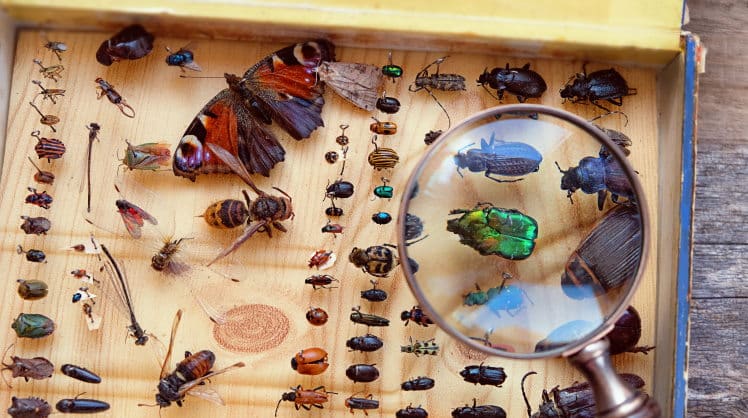
Insects belong to the class Insecta within the phylum Arthropoda. They are characterized by a three-part body (head, thorax, abdomen), three pairs of jointed legs, compound eyes, and one pair of antennae. Insects as food typically come from various orders, including Coleoptera (beetles), Orthoptera (grasshoppers, crickets, locusts), Hemiptera (true bugs like giant water bugs), Hymenoptera (ants, bees, wasps), Lepidoptera (moth and butterfly larvae), and Isoptera (termites). Each group offers different nutritional profiles and culinary uses.
For example, the family Belostomatidae includes giant water bugs like Lethocerus indicus, prized in Southeast Asian markets. The leaf-cutting ants Atta cephalotes belong to the Formicidae family and are consumed in parts of South America. The witchety grub, a traditional food for Indigenous Australians, is the larval stage of the wood-boring beetle, mainly from the family Cossidae, specifically the moth Endoxyla leucomochla. Many of these insects are harvested at larval or pupal stages due to their higher fat and protein content.
Geographic Range & Distribution
Entomophagy spans nearly every continent except Antarctica, with regional preferences shaped by ecological availability and cultural traditions. In Africa, particularly in countries like the Democratic Republic of Congo and Uganda, termites and caterpillars are staple protein sources. Asia boasts a rich diversity of edible insects, with Thailand, China, Vietnam, and Japan having vibrant insect food markets. For example, Thailand’s bustling street markets often sell fried crickets (Gryllidae), bamboo worms (Omphisa fuscidentalis), and giant water bugs.
In Latin America, Mexico is renowned for its chapulines (grasshoppers, mainly Sphenarium purpurascens) and escamoles, which are the larvae of ants or termites, often referred to as “insect caviar.” The Amazon basin inhabitants consume ant queens and larvae, such as those from Atta cephalotes, valued for their rich taste and nutrient content. Indigenous Australian groups traditionally consume witchety grubs and honey ants (Myrmecia spp.), which have swollen abdomens filled with nectar, serving as natural sweet treats.
Europe has a less entrenched history of insect consumption, though ancient Romans enjoyed “cossus,” the larvae of the goat moth Cossus cossus, fattened on flour and wine. Today, interest in insects as food is growing across Western countries due to sustainability concerns.
Physical Description
Edible insects vary greatly in size, appearance, and texture depending on the species and life stage consumed. Grasshoppers typically measure between 2 to 5 centimeters in length, with strong hind legs adapted for jumping. Their exoskeletons are relatively hard but become crunchy and palatable when roasted or fried. Crickets are generally smaller, around 2 to 3 centimeters, with a similar robust exoskeleton.
Beetle larvae, such as the witchety grub, are soft-bodied, creamy-white, and can grow up to 5 to 7 centimeters long. These larvae have a smooth texture and a nutty flavor after cooking. Giant water bugs can reach lengths of 6 to 12 centimeters, with flattened, oval bodies and powerful forelegs used for catching prey. Their bodies are mostly crunchy, with a strong, somewhat bitter flavor.
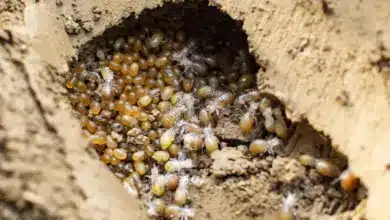
Ant species used as food vary from tiny workers to large reproductive females (queens), which can measure up to 3 centimeters. Honey ants have distinctive swollen abdomens engorged with honeydew, making them visually unique. Termite alates (winged reproductive termites) measure about 1 to 2 centimeters and have delicate wings that are usually removed before eating.
Behavior & Diet
Most edible insects are herbivorous or omnivorous, feeding on plants, fungi, or decaying matter, which influences their nutritional content. Grasshoppers and locusts consume grasses and crops, making them abundant and easy to harvest in many regions, especially after swarm events. Crickets feed on plant material and organic debris, thriving in warm climates.
Beetle larvae like witchety grubs feed on wood or roots, undergoing complete metamorphosis from egg to adult. Their diet of nutrient-rich wood fibers results in high fat content, making them an energy-dense food source for Indigenous Australians. Giant water bugs are carnivorous, preying on small fish, amphibians, and invertebrates, which may contribute to their strong flavor.
Ants and termites are eusocial insects living in complex colonies. Leaf-cutting ants, such as Atta cephalotes, harvest leaves to cultivate fungal gardens, which they consume. Their larvae and reproductive individuals provide a concentrated source of protein and fat. Termite alates emerge seasonally during nuptial flights, making them seasonally available as food and prized for their delicate taste.
Breeding & Reproduction
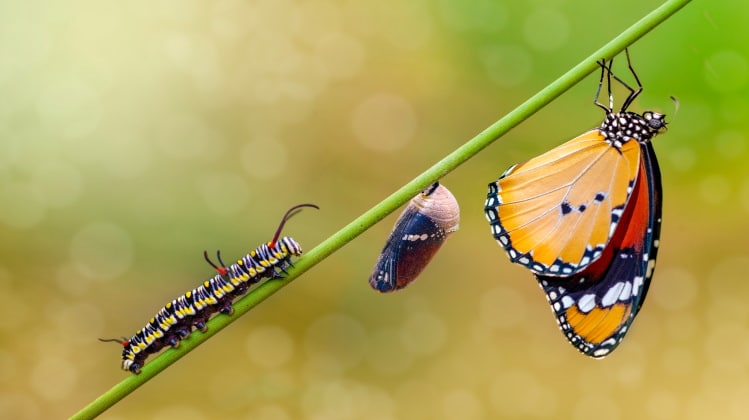
Understanding the life cycle of edible insects is crucial for sustainable harvesting and farming practices. Most edible species undergo complete metamorphosis, with distinct egg, larva (or nymph), pupa, and adult stages. For example, the goat moth (Cossus cossus) lays eggs on tree bark; the larvae burrow into wood, feeding for several years before pupating and emerging as adults. These larvae are traditionally collected for food during the larval stage when they are most nutritious. According to IUCN Red List, this species is well documented.
Giant water bugs exhibit fascinating reproductive behavior. In some species, males carry the eggs on their backs until hatching, providing protection. This parental care is unusual among insects and reflects their complex life history. Leaf-cutting ants reproduce through nuptial flights, during which winged queens and males mate before establishing new colonies. The queen’s abdomen swells as she produces eggs, and these reproductive females are sometimes harvested as a delicacy. According to Bug Guide, this species is well documented.
Termite alates emerge synchronously during specific environmental conditions, often triggered by rain. Their brief flight and subsequent shedding of wings make them a seasonal treat. Sustainable harvesting relies on understanding these reproductive cycles to avoid depleting populations.
Conservation Status
The conservation status of edible insects varies widely depending on species and region. Most commonly consumed insects, such as grasshoppers, crickets, and many ant species, are abundant and not currently at risk. However, some species with restricted ranges or specific habitat requirements face threats from deforestation, pesticide use, and climate change.
For example, the giant water bug species used in Thailand markets are generally common but can be locally impacted by water pollution and habitat loss. The goat moth Cossus cossus is listed as Least Concern by the IUCN but suffers from habitat fragmentation in parts of Europe. Sustainable farming and wild harvesting practices are encouraged to protect insect populations and their ecosystems.
Insects used in traditional diets often serve as an incentive for habitat preservation, as communities value and protect the environments that support these species. The growing interest in insect farming for human consumption in Western countries also has the potential to reduce pressure on wild insect populations and lower the environmental footprint of protein production.
Interesting Facts
Insects are not only a food source but also deeply embedded in cultural heritage. In Mexico, chapulines (grasshoppers) are seasoned with chili, garlic, and lime and sold as street snacks. The eggs of giant water bugs are processed into a delicacy known as “insect caviar” in Southeast Asia, prized for its unique texture and flavor.
Indigenous Australians’ consumption of witchety grubs is part of a broader relationship with the land, where every part of the ecosystem is respected and utilized. Honey ants, with their sweet abdomens, have been a traditional treat, offering a natural source of sugar in arid environments.
Historical records from Ancient Rome describe “cossus” larvae fattened on wine and flour, illustrating that entomophagy has long been appreciated in diverse cultures. In parts of Africa, termites are harvested during their nuptial flights and are said to taste like fried whitebait, reflecting their delicate flavor and crunchy texture.
Modern science has confirmed that insects generally contain between 35% to 70% protein by dry weight, along with essential amino acids, iron, zinc, and vitamins B12 and riboflavin. Their efficient conversion of feed to protein also makes them a promising solution for meeting global food demands sustainably.
Even arachnids like tarantulas and scorpions have been consumed by native peoples in North and Southeast Asia, often deep-fried or roasted, demonstrating the broad spectrum of arthropods utilized as food.
Conclusion
Insects as food represent a rich and diverse culinary tradition that spans continents and cultures. From the crunchy chapulines of Mexico to the nutritious witchety grubs of Australia, insects provide an important source of protein and other nutrients for millions of people worldwide. Their varied taxonomy, fascinating behaviors, and intricate life cycles contribute to their appeal and sustainability as food sources. With growing interest in environmentally friendly protein alternatives, insects are poised to gain wider acceptance beyond their traditional regions. Understanding their biology, ecology, and cultural significance deepens our appreciation of these remarkable creatures and their role in human diets past, present, and future.