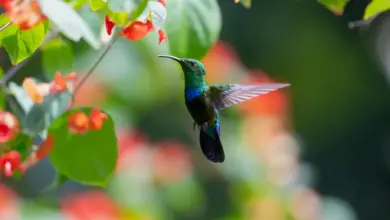
South Carolina, with its diverse habitats ranging from coastal plains to forested piedmonts, provides a welcoming environment for several species of hummingbirds. These tiny, jewel-like birds are among the most fascinating avian visitors to the state, captivating birdwatchers and nature enthusiasts alike with their iridescent feathers and remarkable aerial abilities. While South Carolina is primarily home to the Ruby-throated Hummingbird, a few other species make occasional appearances, either as rare vagrants or seasonal visitors. In this article, we explore the hummingbirds found in South Carolina, delving into their taxonomy, physical characteristics, behaviors, and conservation status, offering a comprehensive understanding of these captivating birds.
Scientific Classification
Hummingbirds belong to the family Trochilidae, a diverse group of small, nectar-feeding birds known for their hovering flight and rapid wing beats. The hummingbirds observed in South Carolina primarily belong to two genera: Archilochus and Selasphorus, with occasional vagrants from genera such as Cynanthus, Amazilia, and Lampornis. The most common species, the Ruby-throated Hummingbird (Archilochus colubris), is the only regularly breeding hummingbird in the eastern United States, including South Carolina. Other species like the Rufous Hummingbird (Selasphorus rufus) are rare but established migrants, while Broad-billed (Cynanthus latirostris) and Buff-bellied Hummingbirds (Amazilia yucatanensis) are considered accidental visitors or vagrants.
The Ruby-throated Hummingbird is classified under the order Apodiformes, which also includes swifts, reflecting its rapid flight and aerial agility. The Rufous Hummingbird, similarly, is a member of Trochilidae, known for its fiery orange plumage and aggressive behavior at feeders. Vagrant species such as the Broad-billed and Buff-bellied Hummingbirds extend the diversity of hummingbirds that birdwatchers might encounter, although these sightings are rare and notable events.






Geographic Range & Distribution
South Carolina lies within the eastern range of the Ruby-throated Hummingbird, which breeds throughout much of the eastern United States and southeastern Canada, from Texas and Florida northward to southern Canada. These birds migrate annually, wintering primarily in Central America, including southern Mexico, Belize, and Panama. In South Carolina, Ruby-throated Hummingbirds arrive in late March or early April as temperatures rise and flowers bloom, and they depart by late September or October to return to their wintering grounds.
The Rufous Hummingbird, native to the western parts of North America, is a rare but regular visitor to South Carolina, especially during migration seasons. Its typical breeding range extends from Alaska and western Canada down through the Pacific Northwest and into parts of the southwestern United States. Occasionally, Rufous Hummingbirds stray eastward, with South Carolina sightings becoming increasingly documented, especially at feeders and gardens providing nectar.
Vagrant species such as the Broad-billed Hummingbird are primarily residents of Mexico and the southwestern United States but occasionally wander into southeastern states, including South Carolina. Notably, there have been only two confirmed records of Broad-billed Hummingbirds in South Carolina, one of which was banded in 2008 near Charleston. Similarly, the Buff-bellied Hummingbird, which breeds mostly in Mexico and parts of Central America, has been recorded just once in South Carolina (in 2001 in Columbia). The Blue-throated Hummingbird (Lampornis clemenciae), native to Mexico and parts of Central America, is an extremely rare vagrant with only sporadic reports in the region.
Physical Description
The Ruby-throated Hummingbird, measuring approximately 7 to 9 centimeters in length and weighing between 2.5 to 4 grams, is a small but striking bird. The male is distinguished by its iridescent ruby-red throat patch, or gorget, which can appear black in certain lighting. Its upperparts are a shimmering emerald green, contrasted with a white underbelly. The tail is slightly forked and edged with white. Females lack the red throat and instead display a white throat with fine green spots, a green back, and a tail with white tips and black bands. This sexual dimorphism aids in identification during the breeding season.
The Rufous Hummingbird is slightly smaller and stockier, typically measuring 7 to 8 centimeters in length and weighing about 3 to 4 grams. Males showcase a brilliant orange-red throat, back, and flanks, with a white chest and belly, and a slightly rounded tail often tipped with white. Females are less brightly colored, with green backs, whitish underparts, and rufous-tinted tail feathers with white tips. The Rufous is known for its bold, fiery coloration and aggressive territorial behavior.
The Broad-billed Hummingbird male is easily identifiable by its vibrant metallic green body, cobalt-blue throat, and a striking red bill with a black tip. They measure about 9 to 10 centimeters in length and weigh roughly 3.5 to 5 grams. Females are duller, with grayish throats and a white stripe above the eye. The Buff-bellied Hummingbird is medium-sized, about 9 centimeters long, with males displaying a metallic golden-green throat, olive-green back, and distinctive buffy underparts. The tail and primary wing feathers are a rich rufous color. Females are more subdued, with a darker bill and less iridescence. The Blue-throated Hummingbird is the largest of the group, reaching lengths of up to 12 centimeters, with males exhibiting a brilliant blue throat and green body plumage.
Behavior & Diet
Hummingbirds are renowned for their incredible flight abilities, including hovering, backward flight, and rapid wingbeats that can reach up to 80 beats per second in some species. The Ruby-throated Hummingbird exemplifies this agility, darting among flowers and feeders with remarkable speed and precision. These birds feed primarily on nectar, which provides the necessary energy for their high metabolism and constant activity. In South Carolina, they are frequent visitors to native flowering plants such as bee balm, trumpet creeper, and jewelweed, as well as artificial feeders filled with sugar water solutions.
In addition to nectar, hummingbirds consume small insects and spiders, which supply essential proteins and nutrients. This insectivorous behavior is particularly important during breeding seasons when energy and nutrient demands increase. The Rufous Hummingbird is noted for its aggressive territorial defense of nectar sources, often chasing away other hummingbirds, larger birds, and even rodents to maintain exclusive access to preferred feeders and flowers. This boldness helps explain its success as a migratory species, capable of enduring long journeys and competing effectively for resources.
Vagrant species such as the Broad-billed Hummingbird and Buff-bellied Hummingbird exhibit similar feeding behaviors, though their sightings in South Carolina are so rare that detailed behavioral observations in the state are limited. Generally, Broad-billed Hummingbirds prefer nectar from tubular flowers like penstemons and salvias, while Buff-bellied Hummingbirds are known to feed on a wider range of flowers and small arthropods. These dietary preferences highlight the importance of diverse floral habitats for sustaining hummingbird populations.
Breeding & Reproduction
The Ruby-throated Hummingbird breeds throughout its eastern range, including South Carolina, typically initiating nesting activity in late spring following their arrival. Males establish territories and perform aerial displays to attract females. The female is solely responsible for nest building, incubation, and feeding the young. Nests are delicate, cup-shaped structures constructed from plant down, spider silk, and lichens, usually placed on horizontal branches or shrubs between 1 and 10 meters above the ground. The female lays two tiny, white eggs measuring approximately 1 centimeter in length. According to eBird, this species is well documented.
Incubation lasts about 12 to 14 days, after which the female feeds the hatchlings regurgitated nectar and small insects. The young fledge approximately 18 to 22 days after hatching. Ruby-throated Hummingbirds typically have one or two broods per season, depending on environmental conditions. According to BirdLife International, this species is well documented.
Rufous Hummingbirds breed primarily in the Pacific Northwest and parts of western Canada, so breeding activity in South Carolina is nonexistent; sightings in the state are limited to migratory stopovers. Their nesting habits are similar to those of the Ruby-throated, with females constructing nests and raising young independently. Vagrant species like the Broad-billed and Buff-bellied Hummingbirds do not breed in South Carolina; their presence is incidental during migration or dispersal. Knowledge of their breeding ecology comes mainly from studies in their native ranges, where they select nesting sites in shrubs or trees and follow similar reproductive patterns.
Conservation Status
The Ruby-throated Hummingbird is currently classified as Least Concern by the International Union for Conservation of Nature (IUCN), reflecting its broad range and stable population trends. However, like many pollinators and nectar feeders, it faces threats from habitat loss, pesticide use, and climate change, which can affect flowering plant availability and migration timing. Conservation efforts focusing on preserving native plant habitats and promoting safe backyard feeding practices contribute significantly to sustaining healthy populations.
The Rufous Hummingbird is also listed as Least Concern but has shown some population fluctuations tied to habitat changes in its breeding and wintering grounds. Increased monitoring and habitat protection in both eastern and western portions of its range are important to ensure long-term stability.
Vagrant species such as the Broad-billed and Buff-bellied Hummingbirds are not currently threatened on a global scale, though their rare appearances in South Carolina highlight the importance of maintaining diverse and connected habitats that support migratory and dispersing birds. Climate change may influence the frequency and patterns of vagrancy, potentially bringing more southern species into the region over time.
Interesting Facts
One of the most captivating features of hummingbirds is their ability to enter a state called torpor, a deep sleep-like state that drastically reduces their metabolic rate to conserve energy overnight or during cold weather. This adaptation is vital for survival given their high-energy lifestyle. The Ruby-throated Hummingbird can lower its body temperature by up to 20 degrees Celsius during torpor, a remarkable feat for such a small bird.
South Carolina has recorded rare sightings of leucistic or white hummingbirds, which are likely Ruby-throated individuals exhibiting partial albinism. These rare color morphs lack the typical iridescent pigmentation and are a special treat for birdwatchers.
The Rufous Hummingbird is known for its fearless and aggressive nature, often dominating feeders and chasing away much larger birds. This tenacity has earned it a reputation as one of the most territorial hummingbirds in North America.
Broad-billed Hummingbirds, though rare in South Carolina, are strikingly beautiful birds with vibrant blue throats that shimmer in sunlight. Their appearance in the state is always met with excitement from the birding community and underscores the dynamic nature of bird migration and vagrancy.
Finally, hummingbirds play a critical ecological role as pollinators, particularly for tubular flowers that few other birds or insects can access. Their presence in South Carolina supports native plant reproduction and biodiversity, linking the health of bird populations with broader ecosystem resilience.
In conclusion, South Carolina’s hummingbird community is anchored by the ubiquitous Ruby-throated Hummingbird, a symbol of spring and summer in the state. The occasional visits by Rufous and other rare hummingbird species add depth and excitement to the local avifauna, offering opportunities for observation and study. Protecting habitats, planting native flowering plants, and providing safe nectar sources are vital steps in ensuring these remarkable birds continue to enchant residents and visitors alike for generations to come.