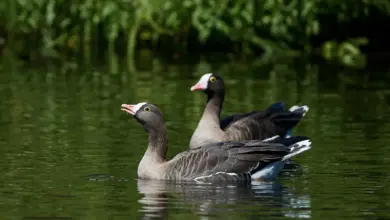
The Puna Ibis (Plegadis Ridgwayi) inhabits the high Andean Wetlands of South America. It is a striking dark-plumed wading bird. Puna Ibis, with its unique appearance and fascinating behaviour, is a true symbol of high-altitude aquatic ecologies on the continent. This bird is found in the wetlands and marshes in Argentina, Bolivia, Chile and Peru. It plays an important role in the environment and has adapted to live in one of the world’s most biodiverse and challenging regions.
Puna Ibis, a High-Altitude Specialist
Puna Ibis are wading birds in the family Threskiornithidae that includes spoonbills and other ibises. This bird, which is known for its long, curved bill and dark iridescent feathers, is well adapted to feeding in shallow waters. This bird is found most commonly in puna and altiplano areas, which are high-elevation plains with a rich wetland system. These are often more than 3,800 meters (9,800 feet) above sea level.
The Puna Ibis, despite its relative obscurity in comparison to other ibis, is an interesting example of adaptation as well as eco-specialisation. This makes it a valuable species for birdwatchers, researchers, and conservationists.


Range and Habitat: Life in the Heart of the Andes
The Puna Ibis’s natural range spans four South American countries, including Argentina, Bolivia, Chile and Peru. This species is closely associated with freshwater wetlands and especially highland marshes. lagoons and shallow lakes. Water levels in these areas fluctuate according to the season, which influences breeding and feeding behaviours.
The Puna Ibis, unlike other wetland bird species, thrives in high-elevation, oxygen-poor ecosystems and often under harsh climate conditions. Grassy Marshes, Wet Meadows and Peat Bogs are their preferred habitats where they can effectively forage. These habitats also play an important role for other native waterfowl, wading birds and other species.
Physical Characteristics: Dark Beauty with Curved Bill
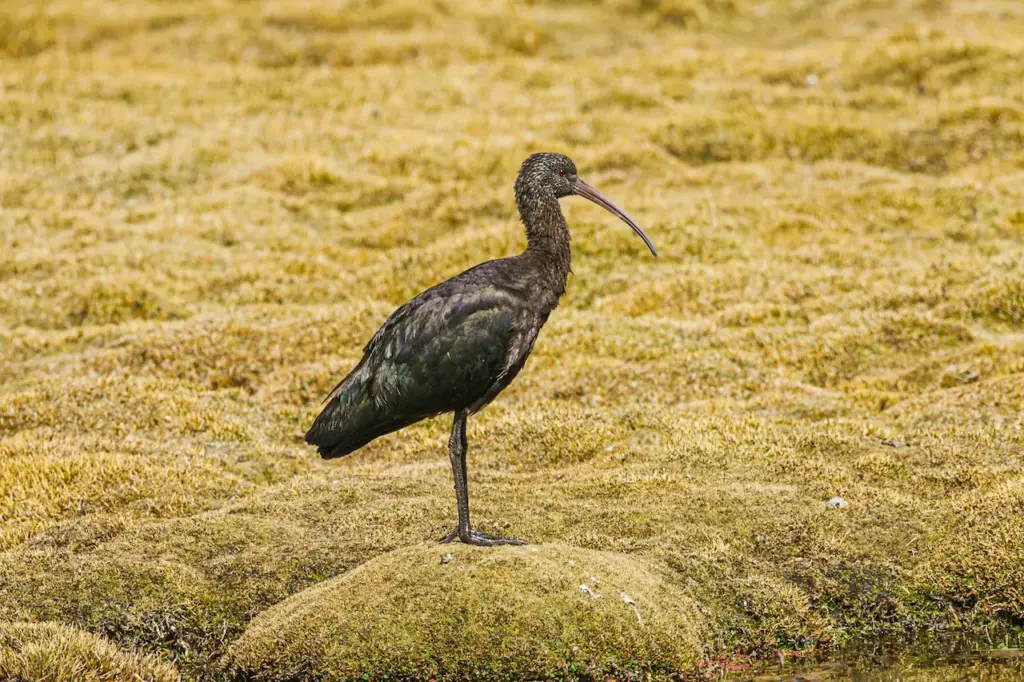
Puna Ibises measure between 56 and 66 cm (22 to 26 inches). The plumage of the Puna Ibis is mainly dark brown or purplish black with iridescent shimmers that appear green or bronze under good lighting. The long, decurved bills are dark grey or black. They were designed to probe in mud, shallow water, and sand.
They can wade easily through marshes because their legs are long and dark. The silhouette of the Puna Ibis is elegant, streamlined and has its throat outstretched. This is a big difference between herons that fly with their necks retracted.
In Flight: Graceful Motions and V-Formations
Puna Ibises can fly well, and they often travel in small groups to nesting or feeding areas. Ibises often fly in a V-formation to reduce air resistance and conserve energy. This behaviour is common in colonial and migratory birds and highlights the social aspect of the Puna Ibis.
They fly directly and powerfully, with slow gliding and steady wingbeats. Their long neck and outstretched leg create a unique silhouette when flying overhead. This is especially true for birdwatchers who are in the Andean Wetlands.
Feeding Habits in Wetlands
Puna Ibis are opportunistic eaters that rely on the abundance of resources in the high-altitude wetland. Its food consists of aquatic invertebrates such as insects, molluscs, worms, and small-sized fish. The curved bill allows the sandpiper to probe into soft mud or shallow water where prey may be hidden.
They also consume skinks and lizards, as well as other small vertebrates. This is especially true during breeding season, when the energy requirements are high. They will occasionally forage on land to pick up insects or other small creatures in grassy meadows. The Puna Ibis can maintain a constant food supply with its varied diet, even when water levels fluctuate.
Feeding Techniques and Behaviour
While feeding, Puna Ibises walk slowly in shallow water and sweep their bills side to side to detect prey. They can find food using this tactile method even if visibility is poor. The early mornings and late afternoons are the best times to see them. They avoid the midday heat of exposed highland habitats.
Sometimes, you may see them in groups when they are foraging in areas with rich food. They are a good indicator of the health of wetlands, since they are sensitive to pollutants and habitat degradation. According to RSPB, this species is well documented.
Social Structure and Behaviour
Puna Ibises have a high level of sociality, particularly during breeding season. Nests are often found in colonies with other waterbirds like coots and ducks. They are often seen in small groups, especially around feeding areas, outside of the breeding season. According to eBird, this species is well documented.
The vocalisations of these birds are a series of grunts and croaks. This is especially true during courtship or colony defence. They may make a deep and rasping “grrrrrr” noise during breeding to communicate with mates or assert their territory.
Breeding and nesting behaviour
The Puna Ibis breeds during the rainy season when food and water are abundant. Nesting is done in colonies, which protect from predators and allow for social interaction. These colonies are located near shallow water areas, such as marshy regions, lakes, rivers or swamps.
Nests are platforms built from twigs and grasses and are often found low among trees and shrubs or even on rocks and cliffs. The average clutch consists of 2 to 4 eggs. They are pale greenish or blue with small speckling. The chicks are born after approximately 21 to 23 days.
Both parents feed the chicks regurgitated food after hatching. The chicks can leave the nest in 30-40 days, depending on food and environmental conditions. Nest sites are reused every year to reinforce pair bonds and colony stabilisation.
Vocalizations & Communication
Puna Ibises have their own unique calls. They aren’t as vocal as other waterbirds, but they still make some interesting sounds. Croaking sounds are common, particularly around nesting areas. They emit a low, hoarse guttural “grrrr” during territorial displays and courtship. These vocalisations are important in breeding rituals and social bonding among colonies.
They are usually silent outside of the breeding season and rely more on body language and visual cues. Communication is subtle, but very effective during flights and feeding. This helps maintain flock coordination.
Conservation Status and Threats
Puna Ibis are currently listed on the IUCN Red List as a species of Least Concern. Their habitats, however, are under increasing pressure from climate change, water pollution and wetland drainage. The Andes’ high-altitude wetlands are shrinking and threatening many endemic species, including the Puna Ibis.
In some areas, local conservation efforts are being undertaken to conserve high-altitude wetland habitat. International initiatives promote the management of Andean ecologies. Although not endangered, habitat monitoring and protection are essential to ensure this species’ survival in the wild.

Ecosystems are important
Puna Ibis is a predator that feeds on aquatic insects and small animals. This helps maintain the balance in wetland ecosystems. It is an indicator of the health of wetlands and helps control the insect population.
They also support birdwatching and ecotourism, which attracts nature lovers and researchers who are interested in biodiversity in the highlands. Conservationists can preserve larger ecological systems by protecting and understanding the Puna Ibis.
Last Thoughts – A Symbol of Andean Wetlands
Puna Ibis is not as well-known as its tropical relatives, but it has a remarkable beauty and resilience. It also plays an important role in the ecosystem. The elegant form, fascinating behaviour, and unique lifestyle at high altitude make it one of the most distinctive species in the Andes. It is becoming increasingly important, as human activities continue altering wetland habitats and species such as the Puna Ibis call these environments home.
Birdwatchers, conservationists and photographers will be able to see the adaptability of nature, in one of the most beautiful landscapes on earth.